

The Cat Who Lived to 26: What Feline Longevity Really Depends On
The oldest verified cat on record, Creme Puff of Austin, Texas, lived to 38 years — an outlier so extreme she barely belongs in the same conversation as the average moggy. But she raises a question every cat owner eventually asks: how long will my cat actually live, and what can I do to influence that?
The honest answer is that feline lifespan sits somewhere between 12 and 20 years for most domestic cats, with the average hovering around 15. But that range conceals enormous variation driven by genetics, environment, diet, and veterinary care.
Indoor Versus Outdoor: The Single Biggest Variable
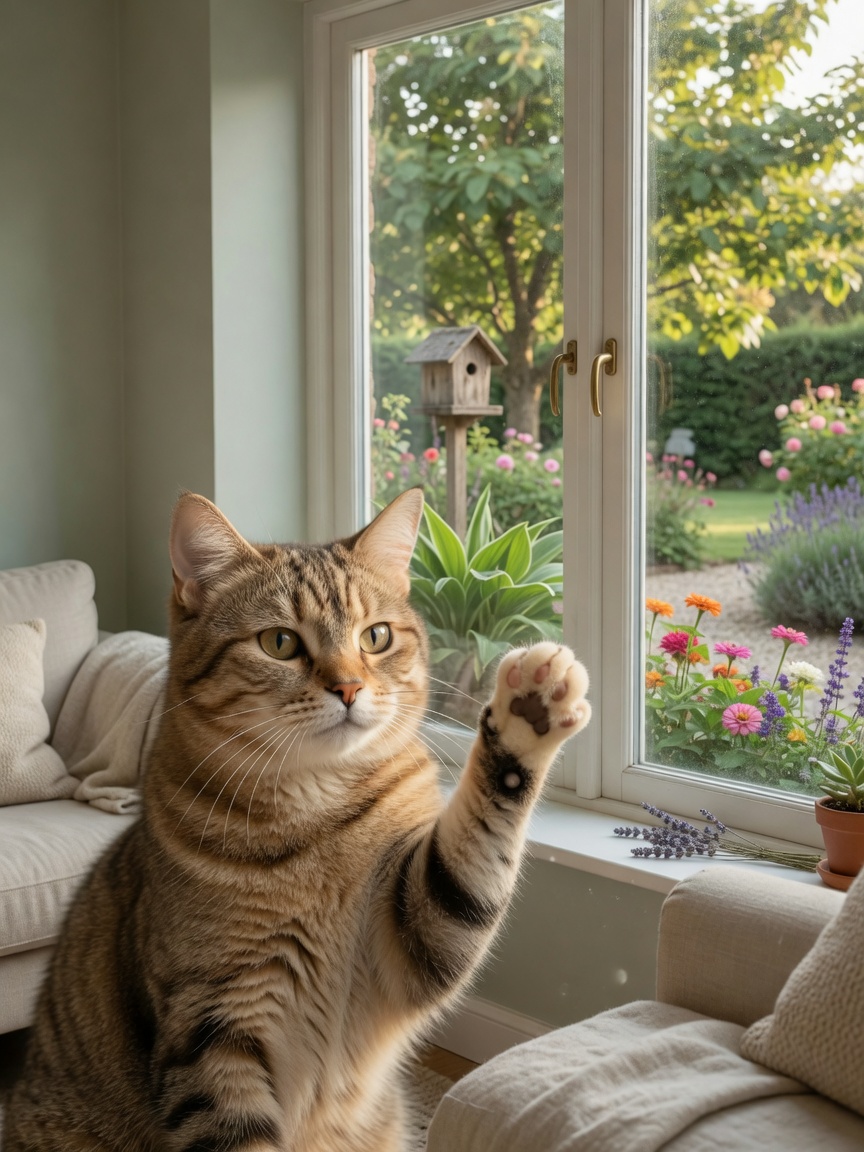
This one is not subtle. Indoor-only cats live an average of 12 to 18 years. Cats with outdoor access average 10 to 14 years, and in some studies, free-roaming cats average closer to 5 to 7 years. The reasons are predictable: road traffic, predation, infectious disease, toxin exposure, and injury all extract a significant toll the moment a cat steps outside.
That does not mean outdoor cats cannot live long lives — many do. But the statistical risk is real, and it is the most modifiable factor in your control.
How Genetics and Breed Influence Lifespan
Pedigree cats tend to live slightly shorter lives than mixed-breed cats, largely because selective breeding concentrates both desirable traits and hereditary health problems. That said, the variation within breeds is substantial.
Longer-lived breeds
- Siamese cats regularly reach their late teens and occasionally their twenties
- Burmese cats are consistently reported among the longest-lived pedigrees
- Ragdolls tend to live 15 to 20 years when well cared for
Breeds with known health vulnerabilities
- Persian cats are prone to polycystic kidney disease and brachycephalic airway issues
- Maine Coons carry a significant risk of hypertrophic cardiomyopathy
- Scottish Folds often develop severe joint disease due to the gene responsible for their ear shape
If you have a pedigree cat, ask your vet about breed-specific screening tests. Catching hereditary conditions early can meaningfully extend comfortable life.
The Role of Nutrition Across Life Stages

Cats are obligate carnivores, which means they have non-negotiable dietary requirements for animal protein, taurine, arachidonic acid, and preformed vitamin A. Feeding a nutritionally complete diet formulated for your cat's life stage is foundational.
Kitten food supports rapid growth. Adult maintenance diets balance energy and organ function. Senior formulas often reduce phosphorus to protect ageing kidneys — a significant consideration given that chronic kidney disease affects an estimated 30 to 40 percent of cats over the age of 12.
Obesity shortens feline lives considerably. Overweight cats are at higher risk of diabetes mellitus, hepatic lipidosis, arthritis, and urinary tract disease. Keeping your cat at a healthy body condition score — visible waist when viewed from above, palpable but not prominent ribs — is one of the highest-return investments you can make in their longevity.
Preventive Veterinary Care: Why It Adds Years
Cats are stoic. They mask pain and illness so effectively that by the time an owner notices something is wrong, a disease may be well advanced. Annual health checks — or biannual checks for cats over ten — allow vets to catch problems like kidney disease, hyperthyroidism, dental disease, and hypertension before they become life-limiting.
Vaccinations and parasite control
Core vaccinations against feline herpesvirus, calicivirus, and panleukopenia remain relevant throughout a cat's life, though booster schedules vary. Parasite control matters even for indoor cats — fleas hitchhike in on clothing, and some internal parasites have environmental transmission routes.
Dental health
Dental disease is not merely cosmetic. Chronic oral infection creates a bacterial load that affects the heart, kidneys, and liver over time. Regular dental assessments, and professional cleaning where needed, contribute meaningfully to long-term wellbeing.
Neutering and Its Effect on Lifespan
Neutered cats, both male and female, consistently live longer than intact cats. The reasons are multiple: reduced roaming behaviour (and therefore reduced injury risk), elimination of reproductive cancers, and lower incidence of uterine infections in females. One large study found that neutered male cats lived 62 percent longer than intact males; neutered females lived 39 percent longer than intact females.
Practical Steps to Support a Long Cat Life
- Keep your cat indoors or provide a secure outdoor enclosure
- Feed a life-stage appropriate, nutritionally complete diet and avoid overfeeding
- Schedule annual vet checks; move to biannual from age ten onwards
- Keep vaccinations and parasite prevention current
- Arrange dental assessments as part of routine care
- Neuter your cat unless breeding under veterinary guidance
- Enrich the indoor environment with climbing structures, play, and social interaction to reduce stress and maintain healthy weight
Genetics set the ceiling, but daily care determines how close to that ceiling your cat actually gets. A cat who is well fed, regularly examined, and genuinely engaged with their environment has every reason to reach their late teens in good health.