
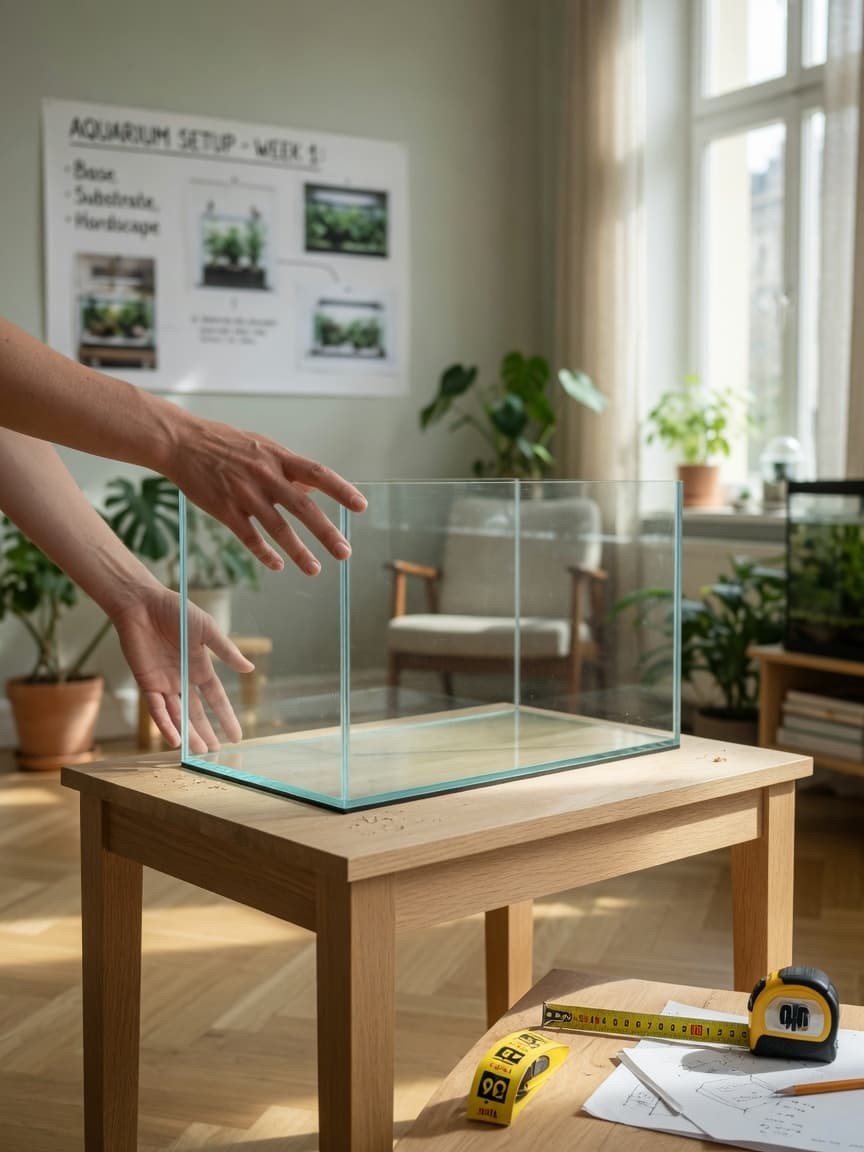
Setting up an aquarium is an exciting prospect for any pet lover, but rushing into a purchase without proper planning can lead to frustration, expense, and unhappy fish. Whether you're considering your first tank or upgrading to a larger setup, understanding the fundamentals of aquarium ownership is essential for creating a thriving aquatic environment. This guide will help you make informed decisions before making your investment.
Understanding Tank Size and Space Requirements
One of the most common misconceptions about aquariums is that smaller tanks are easier to maintain. In reality, larger tanks provide greater stability and are often simpler to manage. A minimum tank size of 20 litres is recommended for beginners, though 40-60 litres offers more forgiving water chemistry and temperature fluctuations.
Before purchasing, measure your intended space carefully. Consider not only the footprint of the tank itself, but also space for:
- Filters and pump systems
- Heaters and thermometers
- Water change equipment and buckets
- Access for cleaning and maintenance
- Adequate lighting above the tank
Ensure your chosen location is away from direct sunlight, heat sources, and high-traffic areas where the tank could be accidentally bumped or stressed.
Essential Equipment and Installation Costs
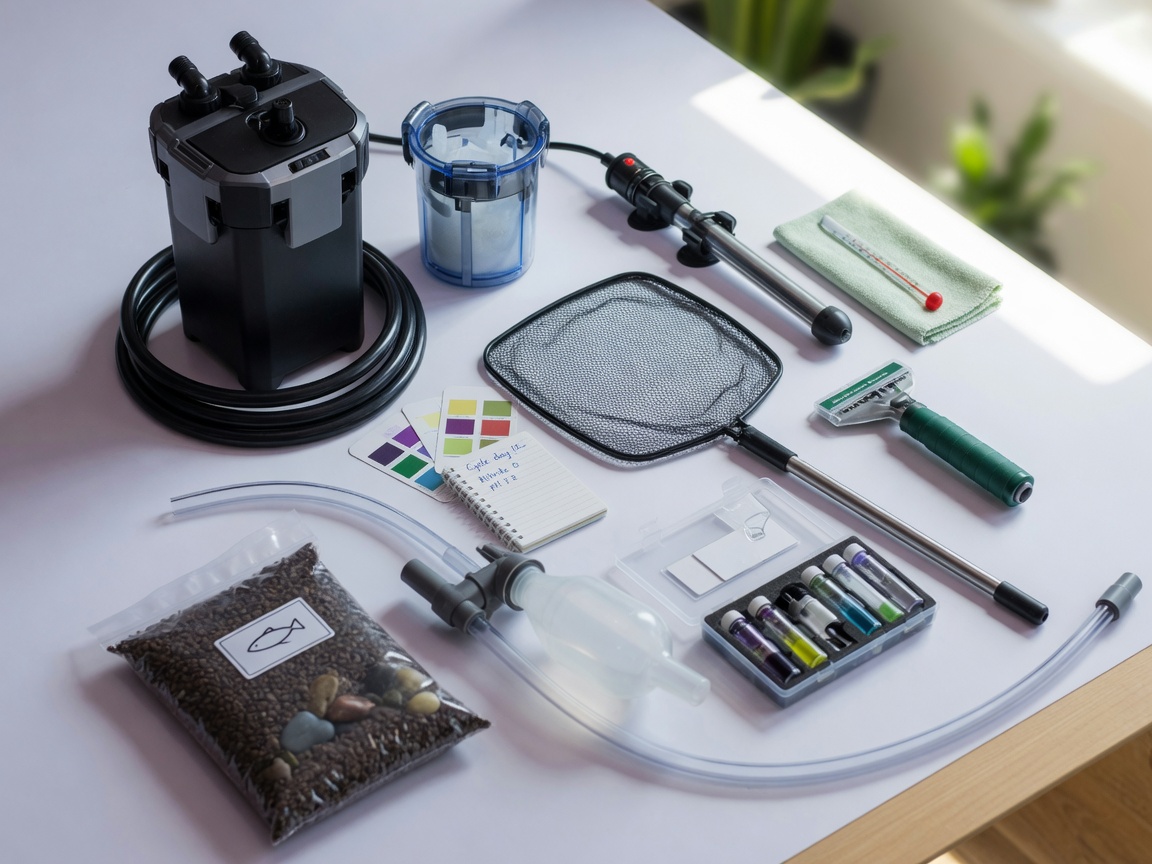
The tank itself is just one component of your investment. Budget for the following essential equipment:
- Filtration system: Critical for removing waste and maintaining water quality. Choose a filter appropriate for your tank size.
- Heater and thermostat: Most tropical fish require temperatures between 24-26°C, requiring reliable heating equipment.
- Lighting: Both for viewing and supporting plant growth if applicable.
- Substrate and decorations: These affect water chemistry and provide essential hiding places for fish.
- Testing kit: Ammonia, nitrite, and nitrate testing is crucial for monitoring water quality.
- Maintenance tools: Nets, algae scrapers, gravel vacuums, and water change containers.
Quality equipment may seem expensive initially, but it prevents costly mistakes and fish loss in the long term.
Water Chemistry and Cycling Your Tank
Understanding water chemistry is fundamental to successful aquarium keeping. Before adding any fish, your tank must complete the nitrogen cycle, which typically takes 4-6 weeks. This process establishes beneficial bacteria that convert harmful ammonia into less toxic compounds.
Key water parameters to monitor include:
- pH levels (typically 6.5-7.5 for most fish)
- Ammonia (should remain at 0 ppm)
- Nitrite (should remain at 0 ppm)
- Nitrate (should remain below 20 ppm)
- Water hardness and temperature stability
Never rush this initial setup phase. Proper cycling prevents the common "new tank syndrome" where fish die due to toxic ammonia and nitrite spikes.
Selecting Appropriate Fish Species
Different fish have vastly different requirements. Beginners should choose hardy, peaceful species suited to their tank size. Popular beginner-friendly options include guppies, neon tetras, and Corydoras catfish. Avoid aggressive species or those requiring specialised care until you've gained experience.
Always research individual species requirements regarding temperature, water chemistry, social behaviour, and tank mates before making purchases.
Time and Maintenance Commitment
Aquariums require consistent care. Budget for:
- Weekly water testing and partial water changes (20-30%)
- Monthly filter cleaning and equipment checks
- Daily feeding and observation of fish health
- Regular removal of uneaten food and decaying matter
These tasks typically require 1-2 hours weekly depending on tank size and complexity.
Key Takeaways
Before purchasing an aquarium, invest time in planning rather than rushing into purchases. Ensure you have adequate space, budget for essential equipment, understand water chemistry fundamentals, and commit to regular maintenance. Starting with appropriate research and preparation sets the foundation for a rewarding and successful aquarium experience that both you and your fish will enjoy for years to come.