
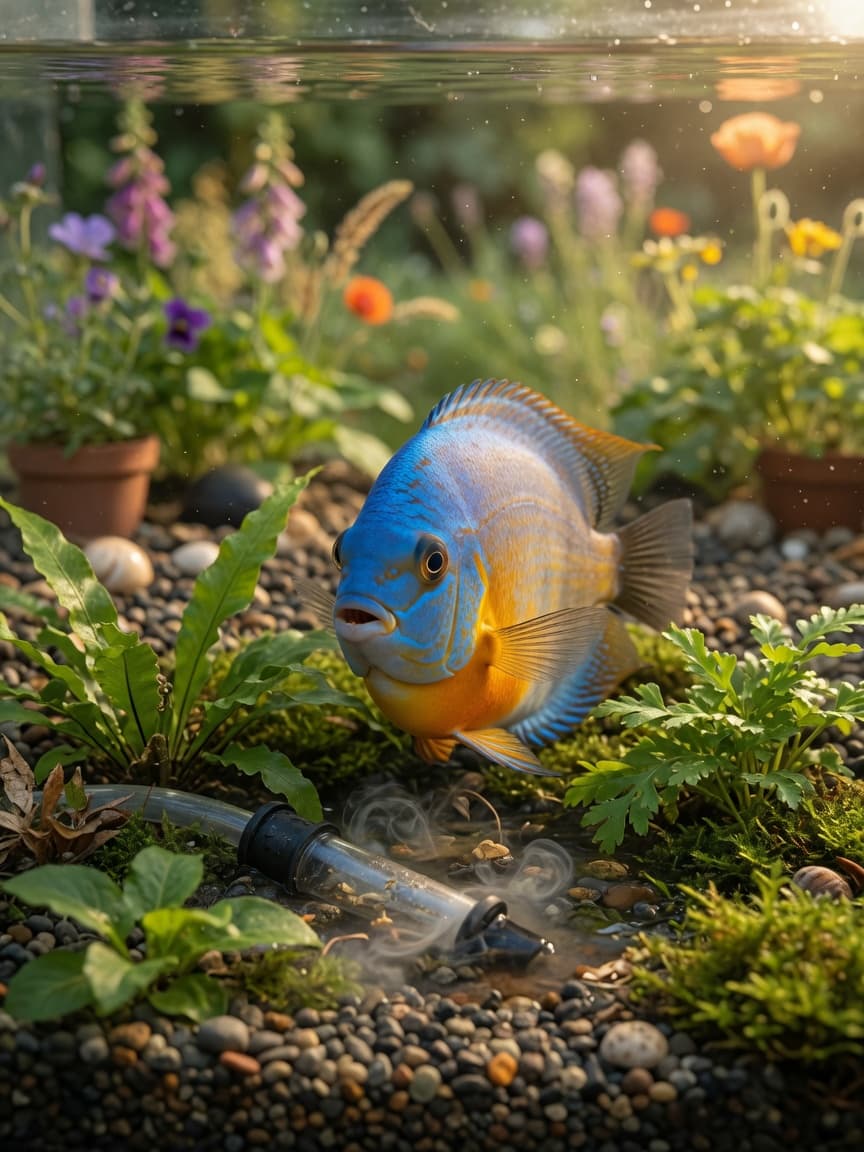
If you're an aquarium enthusiast, you've likely wondered whether those fancy gravel vacuums are worth the investment. The short answer is: yes, regular gravel maintenance is essential for a healthy aquarium ecosystem. But understanding how, when, and why to vacuum your substrate properly can make all the difference between a thriving aquatic environment and one plagued by poor water quality and stressed fish.
Why Gravel Maintenance Matters
Your aquarium gravel isn't just decorative—it's a critical component of your tank's biological filtration system. Beneficial bacteria colonise the substrate, breaking down harmful ammonia and nitrite produced by fish waste. However, organic debris, uneaten food, and decaying plant matter accumulate in and around the gravel, creating "detritus" that can compromise water quality.
When left unchecked, this buildup leads to dangerous ammonia spikes, reduced oxygen levels, and algae blooms. Your fish become stressed, susceptible to disease, and may develop visible health problems. Regular gravel vacuuming removes excess waste whilst preserving the beneficial bacterial colonies that keep your water safe.
How Often Should You Vacuum?
The frequency depends on several factors:
- Tank bioload: Heavily stocked tanks need weekly vacuuming; lightly stocked tanks may only need fortnightly maintenance
- Filtration quality: Tanks with robust filtration systems can tolerate longer intervals between cleaning
- Live plants: Planted tanks often need less frequent vacuuming as plants consume excess nutrients
- Tank size: Larger tanks have greater water volume to dilute waste, allowing slightly longer intervals
Most aquarists find that vacuuming during weekly or fortnightly water changes strikes an ideal balance between maintaining cleanliness and protecting beneficial bacteria.
Proper Vacuuming Techniques
The key to effective gravel maintenance is gentle, strategic cleaning:
- Start your siphon action gently to avoid disturbing fish and plants excessively
- Focus the vacuum on problem areas: beneath decorations, in corners, and around the tank perimeter where debris accumulates
- Avoid over-vacuuming the open substrate—you want to remove waste without destroying bacterial colonies
- Vacuum only the top 1-2 centimetres of gravel; deeper layers contain essential beneficial bacteria
- Collect the waste water for your water change bucket rather than letting it drain away unused
Tank-Specific Considerations
Planted tanks: These often require minimal vacuuming since plants consume waste products and roots help stabilise the substrate. Light, targeted cleaning around plant bases is usually sufficient.
Tanks with bottom-dwellers: Corydoras catfish and similar species naturally stir the substrate, reducing detritus accumulation. You may vacuum less frequently, though these fish still benefit from regular maintenance.
Bare-bottom setups: Without gravel, waste is easier to spot and remove with a net. However, these tanks lack biological filtration benefits and require excellent mechanical filtration.
Common Vacuuming Mistakes to Avoid
- Vacuuming too vigorously and removing beneficial bacteria colonies
- Neglecting vacuuming entirely and allowing toxic ammonia to build up
- Using tap water to rinse your vacuum before returning it to the tank (chlorine kills beneficial bacteria)
- Vacuuming during the nitrogen cycle's early stages when bacteria establishment is critical
Key Takeaways
Regular gravel vacuuming is absolutely worthwhile—it's one of the most effective ways to maintain superior water quality and keep your fish healthy. Invest in a reliable gravel vacuum and incorporate it into your regular maintenance schedule. The effort you invest during weekly or fortnightly tank maintenance will reward you with a beautiful, balanced aquatic ecosystem where your fish truly flourish. Remember: a clean substrate supports both your fish's health and the invisible bacterial communities that make your aquarium work.