
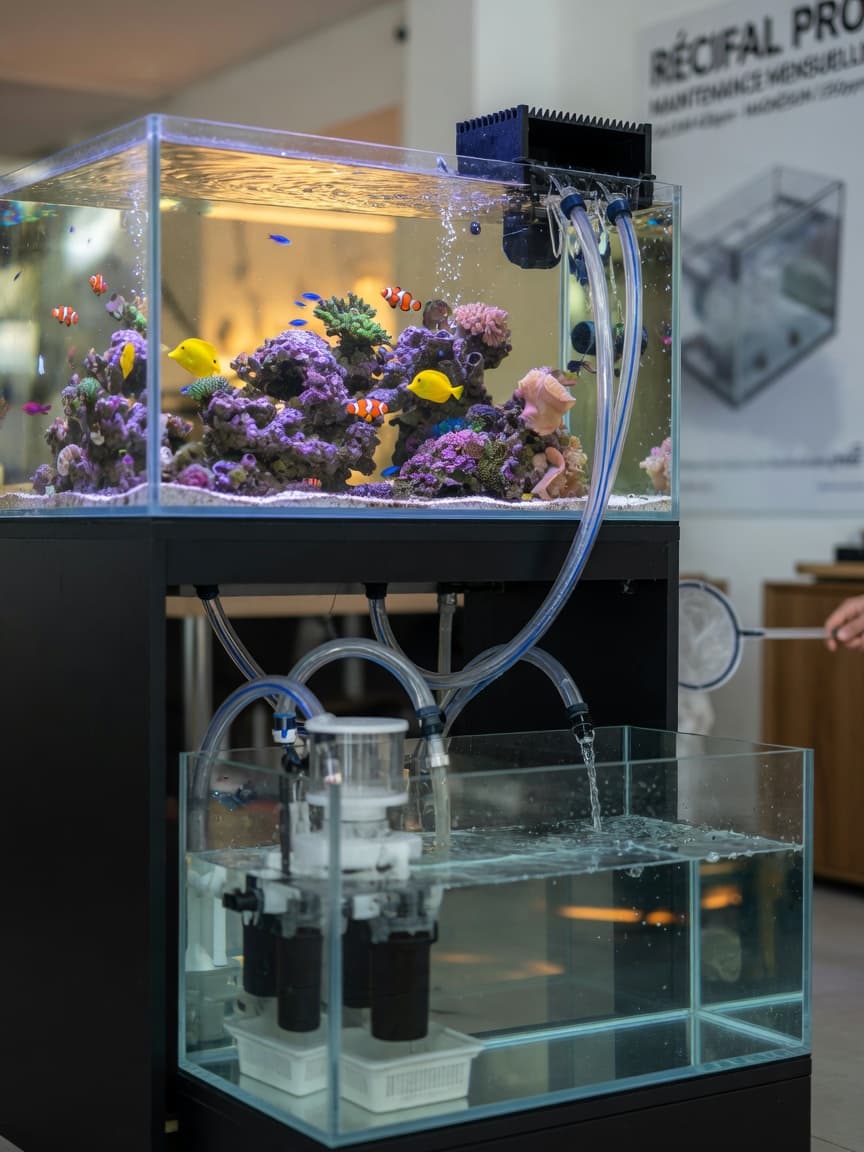
If you're considering an aquarium sump and overflow system for your home, understanding how these components work together is essential for maintaining a healthy aquatic environment for your fish and other water-dwelling pets. Whether you're a seasoned aquarist or setting up your first advanced system, this comprehensive guide will help you navigate the benefits, considerations, and best practices for sump and overflow setups.
Understanding Sump Systems and Overflow Boxes
A sump is a separate tank positioned below your main aquarium that collects water via an overflow system. The overflow box (also called a weir) diverts excess water from your main tank into a siphon or pipe that flows into the sump. This creates a larger total water volume, which helps stabilise water parameters and reduces fluctuations in temperature and chemistry that can stress your aquatic pets.
Overflow boxes come in two main types: hang-on overflow boxes that attach to the rim of your tank, and in-tank overflows that are built into or mounted inside the aquarium itself. Each design has distinct advantages depending on your setup and space constraints.
Key Benefits of Sump and Overflow Systems
- Increased water volume: More water means greater stability in pH, temperature, and nutrient levels, creating a healthier environment for your pets
- Hidden equipment: Filters, heaters, and protein skimmers can be placed in the sump, creating a cleaner aesthetic in your main display tank
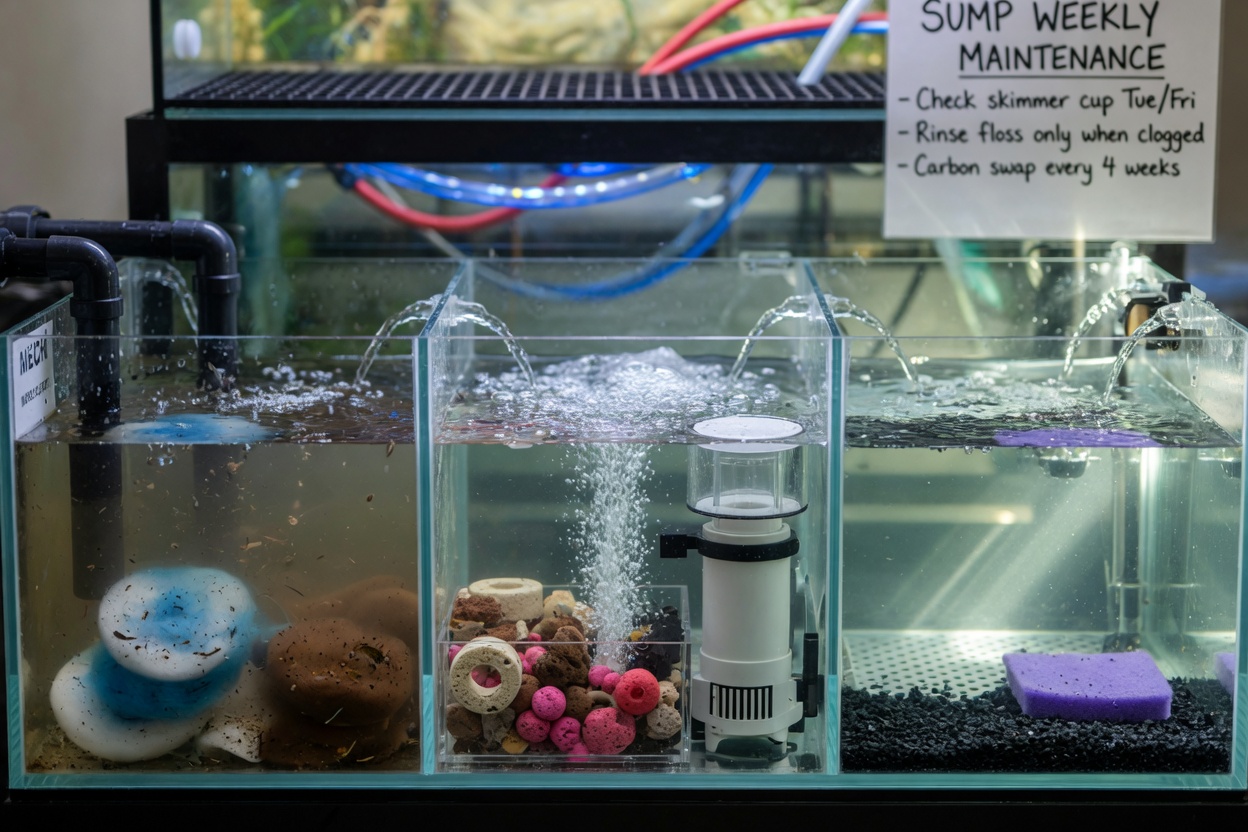
- Improved filtration: Sump systems allow for multiple stages of mechanical, biological, and chemical filtration
- Better maintenance access: Easier cleaning and water changes when equipment isn't crowded in your main tank
- Enhanced oxygen exchange: Water flowing through the sump promotes gas exchange, improving oxygen levels
Important Safety and Installation Considerations
Before installing an overflow system, consider the following critical factors:
- Structural support: Ensure your aquarium stand can support both the weight of the main tank and the sump tank below
- Power failure protection: Install a battery-backed air pump or check valve to prevent siphoning if your pump fails
- Overflow capacity: The overflow system must handle your pump's flow rate to prevent tank overflow
- Professional installation: Consider having an experienced aquarist or professional assist with installation to prevent leaks and flooding
- Space planning: Ensure adequate space beneath and around your aquarium for the sump tank and plumbing
Choosing the Right Setup for Your Needs
The best sump and overflow system depends on your aquarium type, size, and the species you're keeping. Reef setups typically benefit most from sump systems due to the need for protein skimming and biological filtration. Freshwater planted tanks may not require as complex a system, though sumps still offer stability benefits.
Consider your technical comfort level. While sumps add complexity, they're manageable with proper planning and maintenance routines. Beginners should start with simpler overflow designs and progress to more advanced setups as they gain experience.
Maintenance and Ongoing Care
Regular maintenance is essential for keeping your sump system running smoothly. Check water levels daily, as evaporation will lower the sump level first. Clean mechanical filters frequently to maintain water flow, and monitor your pump for unusual noises or decreased performance. Test water parameters regularly to ensure your system is maintaining stable conditions for your aquatic pets.
Key Takeaways
Sump and overflow systems represent an investment in your aquarium's stability and your pets' wellbeing. They offer significant advantages in water quality maintenance and equipment organisation, but require careful planning, proper installation, and consistent maintenance. Take time to research your specific setup requirements, invest in quality components, and don't hesitate to seek expert advice. With the right approach, a sump system will provide years of reliable service for a thriving aquatic home.