
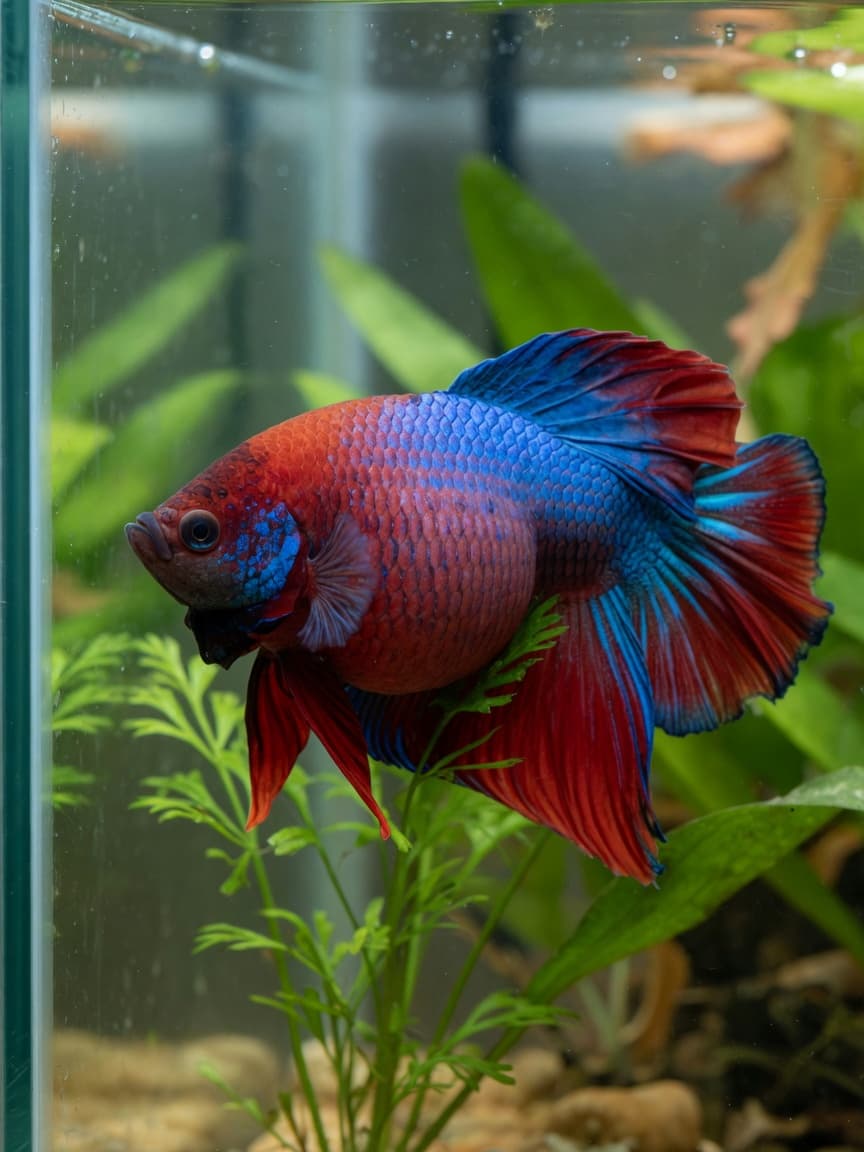
Bettas are beloved for their vibrant colours and engaging personalities, but many pet owners inadvertently overfeed these beautiful fish, leading to obesity and serious health problems. A plump betta might seem content, but excess weight can cause complications including constipation, swim bladder disease, and shortened lifespan. If you've noticed your betta looking rounder than usual, it's time to take action. This guide will help you understand the causes of betta obesity and provide practical steps to restore your fish to optimal health.
Recognising an Overweight Betta
The first step is identifying whether your betta is genuinely overweight. A healthy betta should have a streamlined body with visible fins that move gracefully. An overweight betta will appear bloated or barrel-shaped, with restricted fin movement and difficulty swimming. You might also notice your betta resting more frequently or struggling to reach the water's surface during feeding time.
Some swelling can indicate constipation rather than true obesity, but either condition requires dietary adjustment. If your betta appears extremely bloated or shows signs of distress, consult an aquatic veterinarian before making changes.
Understanding Common Causes of Overfeeding
Bettas have small stomachs—roughly the size of their eyeballs—yet many owners feed portions far too large. Common mistakes include:
- Feeding multiple times daily without adjusting portion sizes
- Using oversized pinches of pellets or live food
- Offering rich foods like bloodworms or brine shrimp too frequently
- Leaving uneaten food in the tank, creating confusion about portions
- Mistaking begging behaviour for genuine hunger
Bettas are intelligent and will enthusiastically pursue food regardless of actual nutritional needs. This natural instinct can mislead caring owners into overfeeding.
Establishing a Proper Feeding Schedule
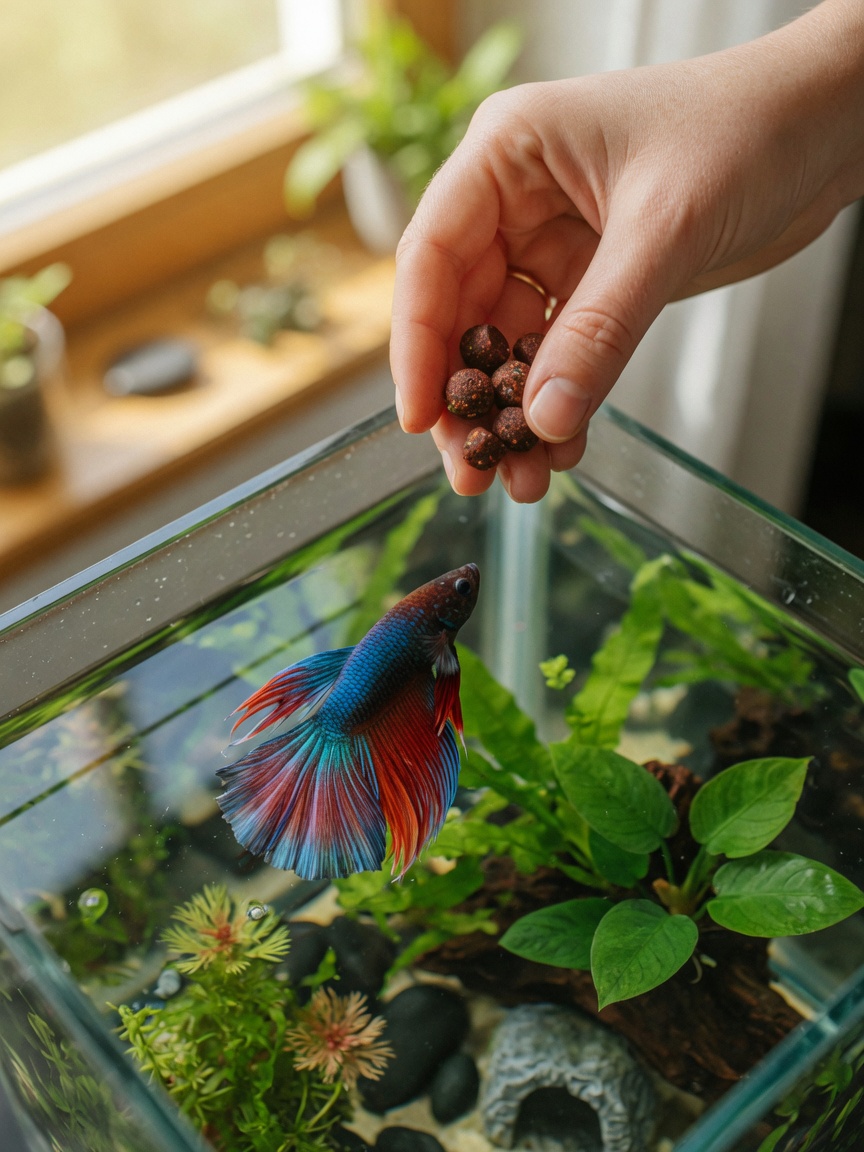
The key to managing your betta's weight is implementing a structured feeding programme. Guidelines typically recommend:
- Feed once daily or alternate days with fasting days—this mimics their natural feeding patterns
- Use appropriate portions—approximately 4-6 high-quality pellets per feeding, or a small pinch that fits between your thumb and forefinger
- Remove uneaten food within five minutes to prevent waste decomposition and confusion about portion size
- Vary diet occasionally—rotate between quality pellet foods and occasional protein-rich treats like frozen bloodworms (once weekly maximum)
- Observe your betta's response—a satisfied betta will show interest but maintain a sleek silhouette
Dietary Adjustments for Weight Loss
If your betta is significantly overweight, gradually reduce portions and increase fasting days. Rather than drastic changes, implement modifications over 1-2 weeks to avoid metabolic shock. Consider introducing a day or two of fasting weekly—this natural behaviour supports digestive health and weight management.
Ensure you're using premium-quality pellets formulated specifically for bettas, as inferior foods contain excess fillers that contribute to bloating without providing proper nutrition.
Environmental Factors and Exercise
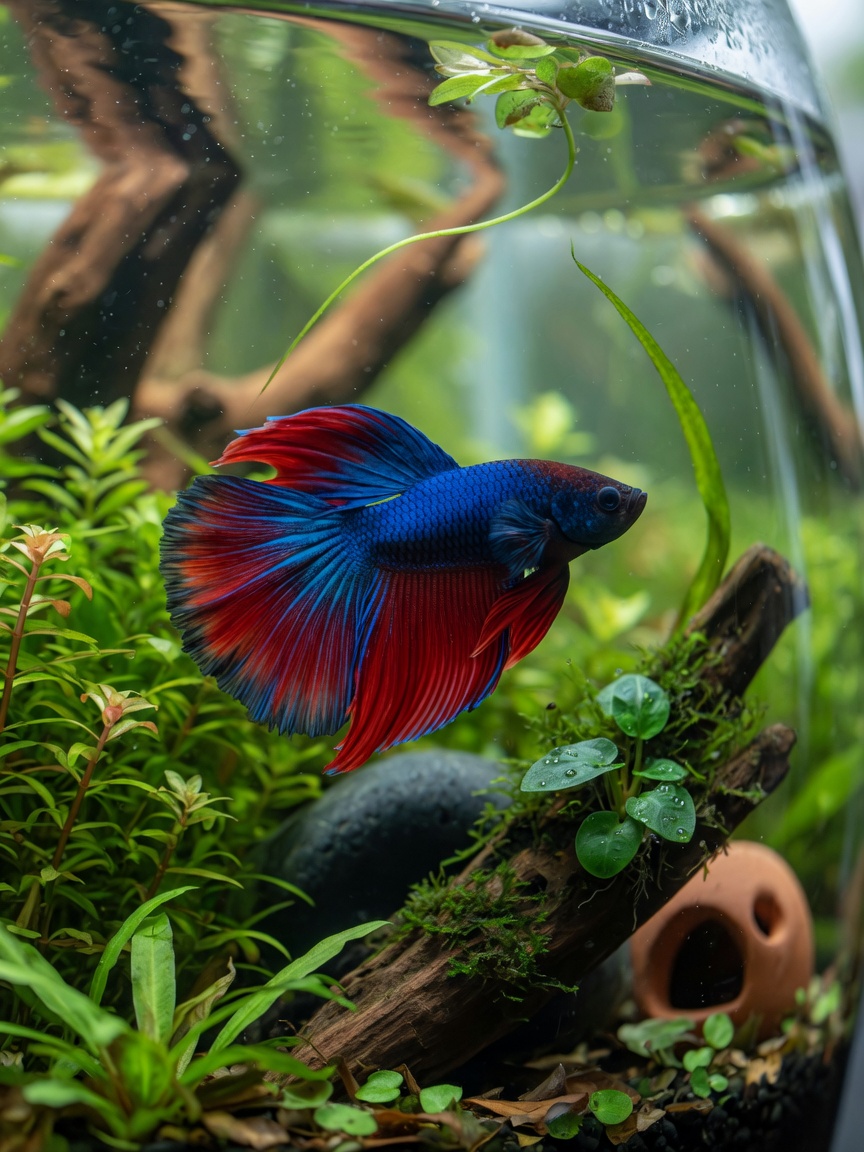
Tank size matters more than many realise. Bettas in smaller tanks have less opportunity for natural movement and exploration. Whenever possible, maintain minimum tank volumes of 5 gallons (UK standard for responsible betta care), which encourages natural swimming behaviour and supports overall fitness. Adding plants, decorations, and appropriate enrichment encourages activity.
Gentle interaction—such as following your finger or exploring new tank arrangements—provides mental stimulation and light exercise without causing stress.
Key Takeaways for Betta Weight Management
- Feed small portions once daily or use an alternate-day schedule
- Remove uneaten food within minutes
- Incorporate regular fasting days into your routine
- Choose high-quality betta-specific pellets
- Provide adequate tank space for natural movement
- Monitor your betta's appearance and behaviour regularly
- Consult a veterinary specialist if health concerns persist
Helping your betta achieve a healthy weight requires consistency and patience, but the reward is a vibrant, energetic companion with a longer, healthier lifespan. Your attentiveness to these dietary adjustments demonstrates genuine care for your aquatic friend.