
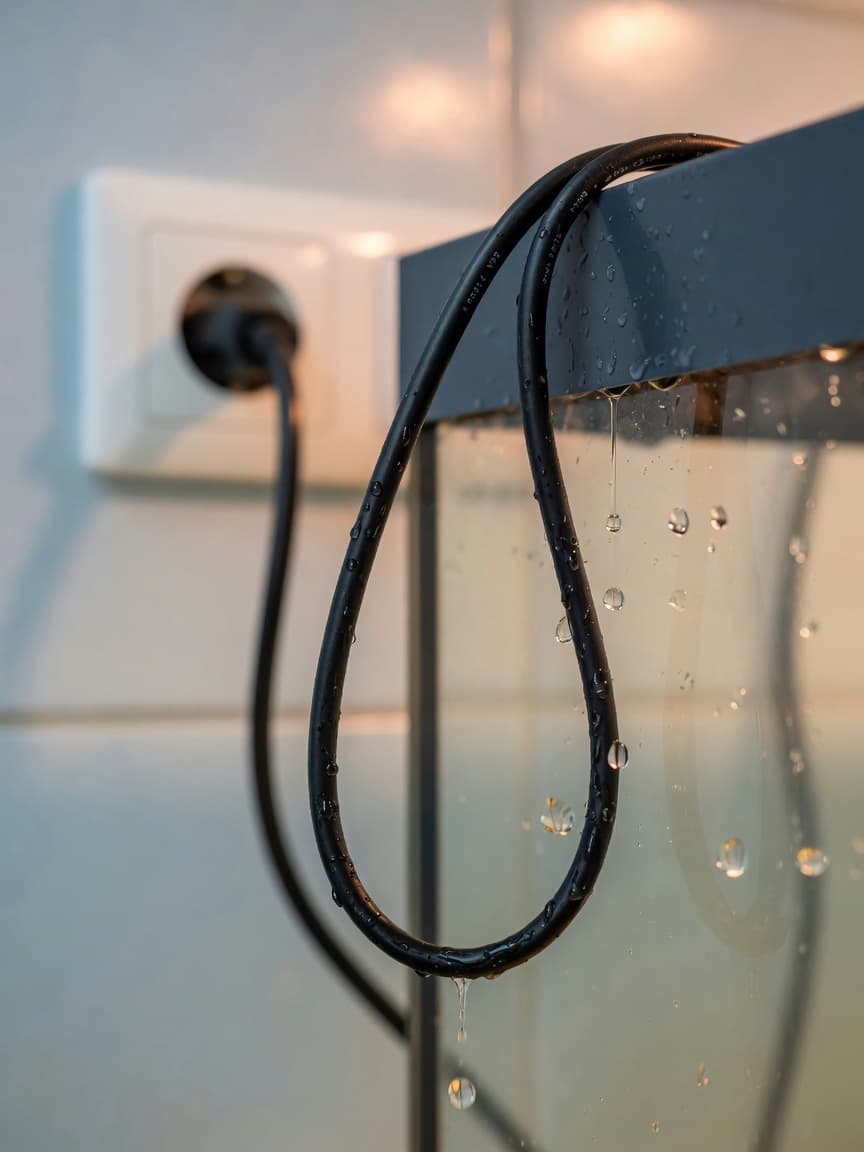
If you're a pet owner with an aquarium in your home, you've likely heard the term "drip loop" mentioned by experienced aquarists and veterinary professionals. This simple yet crucial safety feature is often overlooked by beginners, yet it plays a vital role in protecting both your aquatic pets and your household electrical systems. Whether you're setting up your first tank or upgrading an existing setup, understanding what a drip loop is and why it matters can prevent potentially dangerous situations in your home.
Understanding the Drip Loop: The Basics
A drip loop is a deliberate loop or curve in the electrical cord of your aquarium equipment—typically found on power cables for filters, heaters, pumps, and air stones—that hangs below the point where the cord exits your aquarium or enters a power outlet. The purpose is elegantly simple: to redirect water droplets away from electrical connections, preventing them from dripping directly onto the outlet or into the equipment itself.
The drip loop works by using gravity and surface tension to guide condensation, splashes, or accidental water spillage along the cord and down to the lowest point of the loop before it can travel towards the electrical connection. This seemingly minor architectural detail of your aquarium setup can be the difference between a functioning system and an electrical hazard.
Why Drip Loops Are Essential for Safety
Water and electricity are a dangerous combination, and aquariums present a unique environment where both are present simultaneously. Here's why drip loops matter:
- Prevents electrical shocks: Water conducts electricity, and moisture reaching electrical connections can create shock hazards for you and your family members
- Protects against short circuits: Water infiltration into equipment can cause short circuits, damaging your valuable aquarium apparatus
- Reduces fire risk: Faulty electrical connections caused by water exposure can potentially create fire hazards
- Extends equipment lifespan: Keeping moisture away from electrical components helps your equipment last longer and function properly
- Safeguards your pets: Properly installed equipment ensures your aquatic pets live in a safe, well-functioning environment
How to Install a Proper Drip Loop
Installing a drip loop is straightforward and requires no special tools or expertise. Follow these steps:
- Locate the power cord of your aquarium equipment
- Before the cord reaches the electrical outlet or enters the aquarium, create a loop by bending the cord downward
- Ensure the lowest point of the loop hangs below the level of your aquarium or power outlet
- The loop should be approximately 15-30 centimetres below the outlet or aquarium edge
- Secure the loop gently with cable management clips if needed, ensuring the cord isn't pinched or damaged
- Never tape the loop closed; allow air circulation around the cord
Common Mistakes to Avoid
Many aquarium owners unknowingly compromise their drip loop's effectiveness through common errors. Don't create the loop too close to the outlet, as water can still reach the connection point. Avoid securing the cord too tightly, which can damage the insulation and create hazards. Never skip the drip loop altogether, thinking it's unnecessary—this is genuinely risky. Additionally, ensure your loop doesn't create trip hazards or block access to your aquarium for maintenance.
Key Takeaways
A drip loop is a simple, free safety feature that every aquarium owner should implement immediately. By creating a deliberate downward curve in your electrical cords, you're directing water away from connections and protecting your home's electrical system. It's a small investment of effort that provides significant protection for your pets, your equipment, and your family. Make it part of your aquarium setup routine today—your future self will be grateful.