
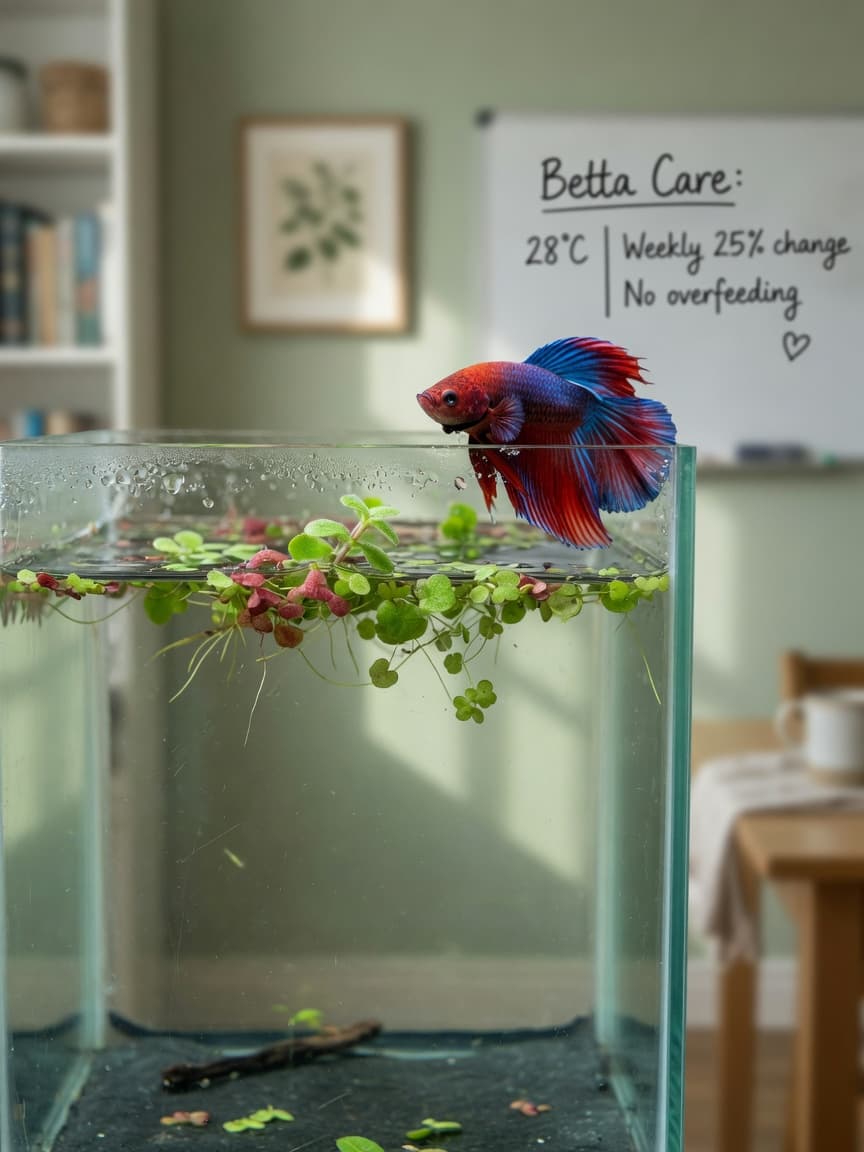
Creating a thriving aquarium starts with understanding which fish species will thrive in your setup, and top-dwelling fish offer a wonderful way to add visual interest and activity to the upper levels of your tank. These surface-loving swimmers bring life and movement to areas often overlooked by other aquatic species. Whether you're a beginner or experienced aquarist, selecting the right top-dwelling fish requires knowledge about their specific needs, compatibility with tank mates, and environmental requirements.
Understanding Top-Dwelling Fish Behaviour
Top-dwelling fish have evolved to spend most of their time near the water's surface, where they hunt for food, breathe air (in some species), and interact with their environment. Understanding their natural behaviour is crucial for providing appropriate care. These fish typically have upturned mouths suited for feeding on insects and debris at the surface, and many possess labyrinth organs allowing them to gulp air directly.
Common characteristics of top dwellers include:
- Preference for shallow, slow-moving water areas
- Reduced swim bladder sensitivity
- Natural aggression during breeding seasons
- Enhanced vision adapted to seeing above and below water
Selecting Suitable Top-Dwelling Species
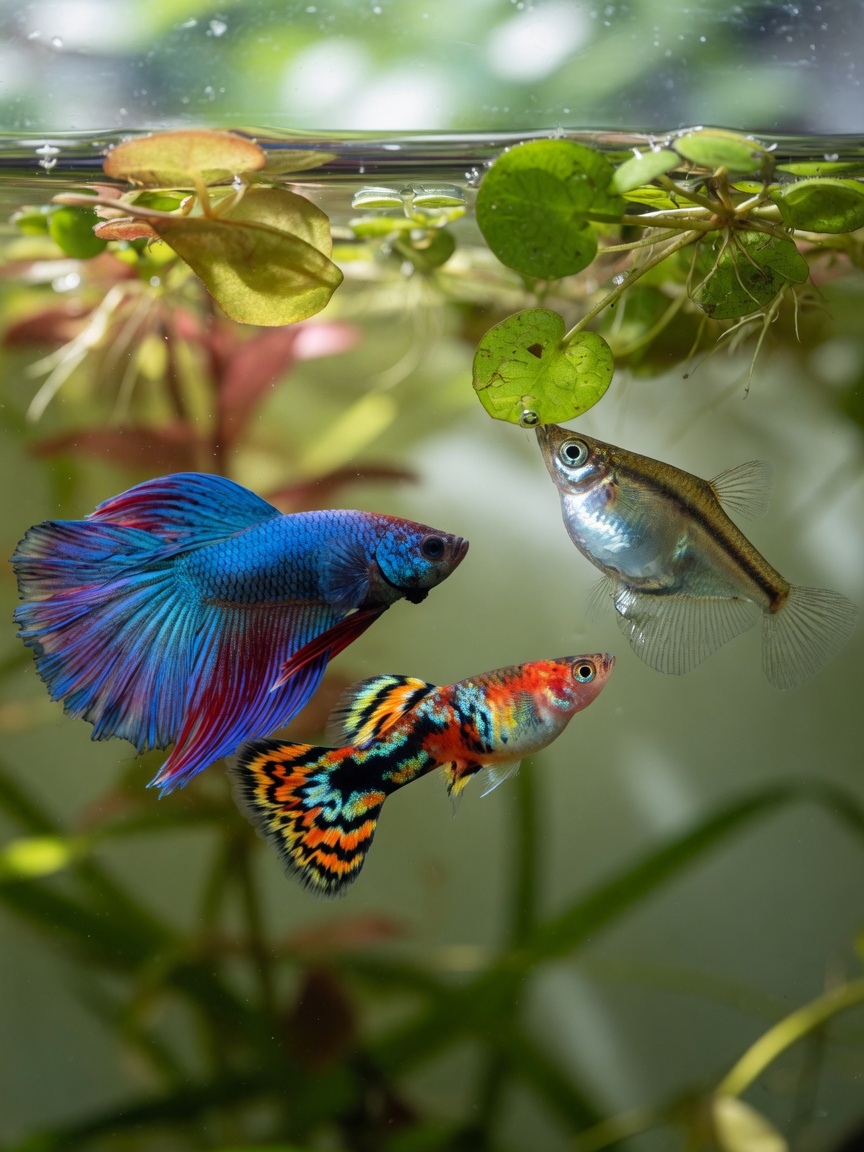
Several species excel as top dwellers in home aquaria. Bettas are perhaps the most recognisable, displaying vibrant colours and remarkable personality. Guppies offer hardiness and colourful displays, whilst hatchetfish provide a unique body shape and graceful movements. Killifish are excellent choices for those seeking slightly more challenging species, and danios bring active, energetic behaviour to the upper water column.
When selecting species, consider:
- Tank size requirements (minimum 20 litres for most species)
- Compatibility with existing residents
- Territorial behaviour and aggression levels
- Temperature and pH preferences
- Lifespan and long-term commitment needed
Creating Optimal Tank Conditions
Top-dwelling fish require specific environmental conditions to flourish. Surface access is essential—these fish need air contact and clear water at the top of the tank. Maintain water temperatures between 24-27°C for most tropical top dwellers, though requirements vary by species.
Ensure your tank includes:
- Reduced water flow near the surface to prevent exhaustion
- Live plants or floating vegetation for shelter and food sources
- Adequate space between the waterline and tank cover for breathing
- Regular water changes (25-30% weekly) to maintain water quality
- Proper filtration that won't create excessive surface turbulence
Stocking Density and Compatibility
Overcrowding leads to stress, aggression, and poor water quality. A general rule suggests one inch of fish per gallon of water, though top dwellers often require less space due to their restricted vertical range. Research species-specific compatibility before introducing fish together, as some top dwellers display aggressive behaviour.
Bettas, for instance, are notoriously territorial and cannot cohabit with other bettas or fin-nippers. Conversely, guppies and hatchetfish often integrate peacefully with calm mid-water and bottom-dwelling species.
Feeding and Nutrition
Top-dwelling fish naturally hunt insects and small prey at the surface. Provide high-quality floating pellets, flakes, and occasional live food such as mosquito larvae or daphnia. Feed small portions once or twice daily, removing uneaten food after several minutes to prevent water degradation.
Key Takeaways for Success
Stocking your aquarium with top-dwelling fish rewards careful planning and observation. Prioritise research into species-specific needs, maintain excellent water quality through regular testing and maintenance, and observe your fish daily for signs of stress or illness. Start conservatively—it's always easier to add inhabitants than to manage an overstocked tank. With proper care and attention, your top dwellers will reward you with years of fascinating behaviour and vibrant colour in your aquatic environment.