
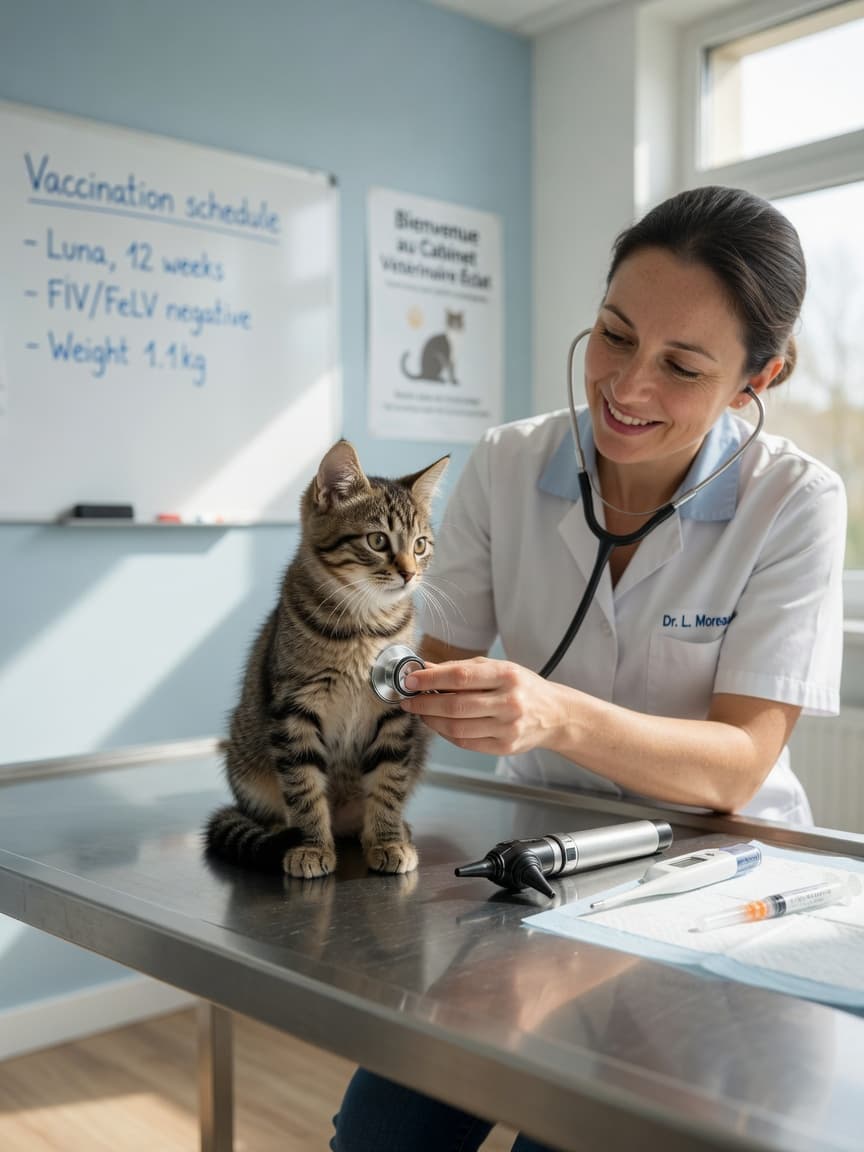
Bringing your new kitten home is an exciting milestone, but scheduling that first veterinary appointment should be your top priority. This initial visit sets the foundation for your kitten's lifelong health and gives you the opportunity to build a trusting relationship with your vet. Whether your kitten was adopted from a rescue centre, purchased from a breeder, or found as a stray, a thorough health check within the first week or two is essential. Understanding what happens during this appointment will help you feel prepared and ensure you make the most of your time with the veterinary team.
When to Schedule Your Kitten's First Appointment
Ideally, you should book your kitten's first vet visit within 7-10 days of bringing them home. If your kitten is younger than 8 weeks old, scheduling within the first few days is crucial, as very young kittens may have specific health concerns that need immediate attention. Having a vet appointment scheduled before you collect your kitten eliminates stress and ensures continuity of care from day one. Contact your chosen veterinary practice early to secure an appointment, especially if you're adopting during popular periods like spring or summer.
What Your Vet Will Examine
During the first visit, your vet will conduct a thorough physical examination of your kitten, including:
- General appearance and behaviour: Assessing body condition, coat quality, and alertness
- Eyes and ears: Checking for infections, discharge, or parasites
- Mouth and teeth: Evaluating dental development and identifying any oral issues
- Heart and lungs: Listening with a stethoscope to detect abnormal sounds
- Abdomen: Feeling for lumps, organ enlargement, or signs of discomfort
- Temperature: Taking a rectal temperature to rule out fever
- Limbs and joints: Checking for proper movement and development
Your vet will also ask detailed questions about your kitten's background, including their age, medical history, current diet, and any behavioural concerns you've noticed since bringing them home.
Vaccinations and Parasite Prevention
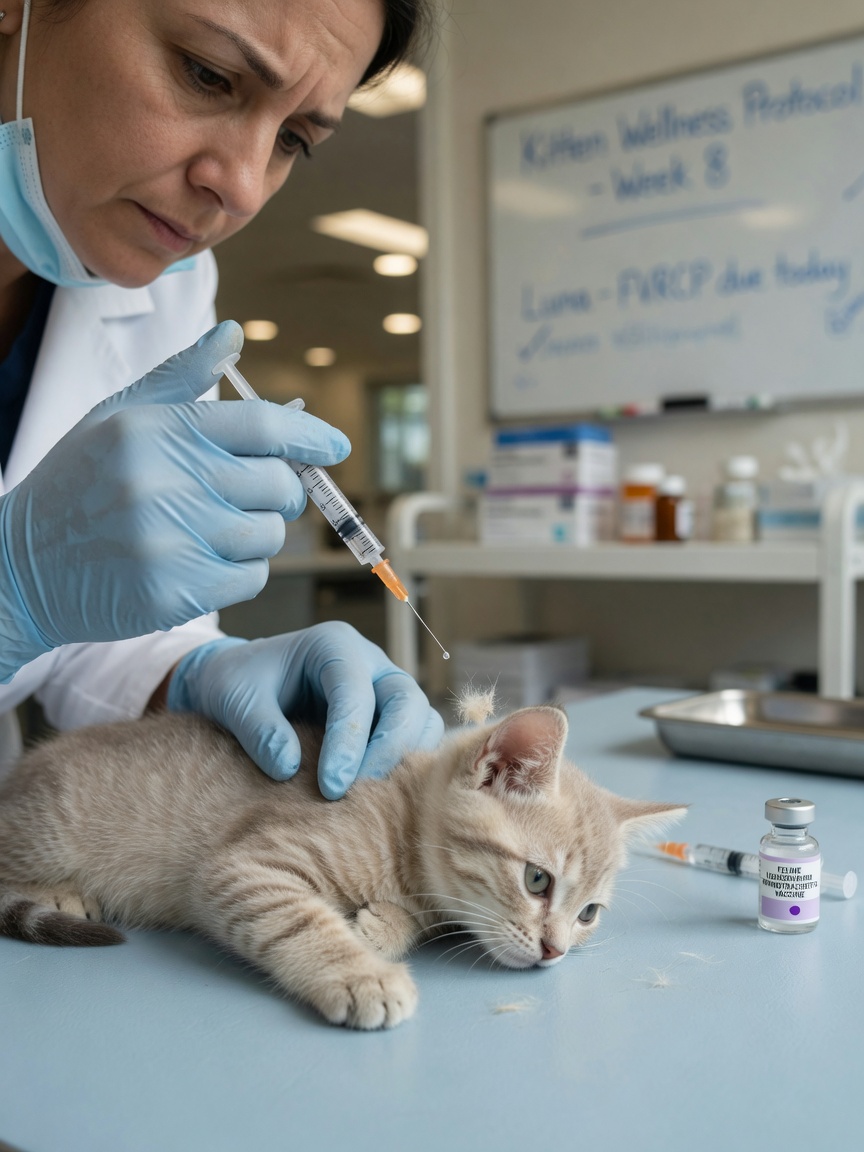
Most kittens require a series of vaccinations starting from 8 weeks old. These typically include protection against feline infectious enteritis (FIE), feline calicivirus (FCV), and feline herpesvirus (FHV). Your kitten may also be recommended the feline leukaemia virus (FeLV) vaccine, depending on their lifestyle and risk factors. Initial vaccinations are usually given 3-4 weeks apart, with booster shots required at 12 months old.
Your vet will also discuss flea and worm treatments. Kittens are particularly susceptible to parasites, so regular treatment is vital. Your vet will recommend appropriate products and a treatment schedule based on your kitten's age and weight.
Discussing Nutrition and Care
This is an excellent opportunity to discuss your kitten's diet. Your vet can advise whether their current food is appropriate for their age and provide guidance on portion sizes and feeding frequency. They'll also discuss the timeline for spaying or neutering, typically recommended around 4-6 months of age, and answer any questions about litter training, socialisation, or enrichment.
What to Bring to the Appointment
- Any medical records from previous vets or breeders
- Documentation of any treatments already administered
- A list of questions or concerns you've noticed
- Your kitten in a secure carrier
- Proof of ownership or adoption documentation if requested
Key Takeaways
Your kitten's first vet visit is about establishing baseline health, identifying any underlying issues early, and creating a preventative care plan for the future. Come prepared with questions, be honest about your observations, and don't hesitate to ask for clarification on anything you don't understand. This appointment isn't just a health check—it's the beginning of a partnership between you, your kitten, and your veterinary team that will support your cat's wellbeing for years to come.