ForPetsHealthcare
Cats

Are Ant Traps Safe for Cats?

By Julia WrenfieldUpdated August 4, 20264 min read
Evidence-based · Sources checked
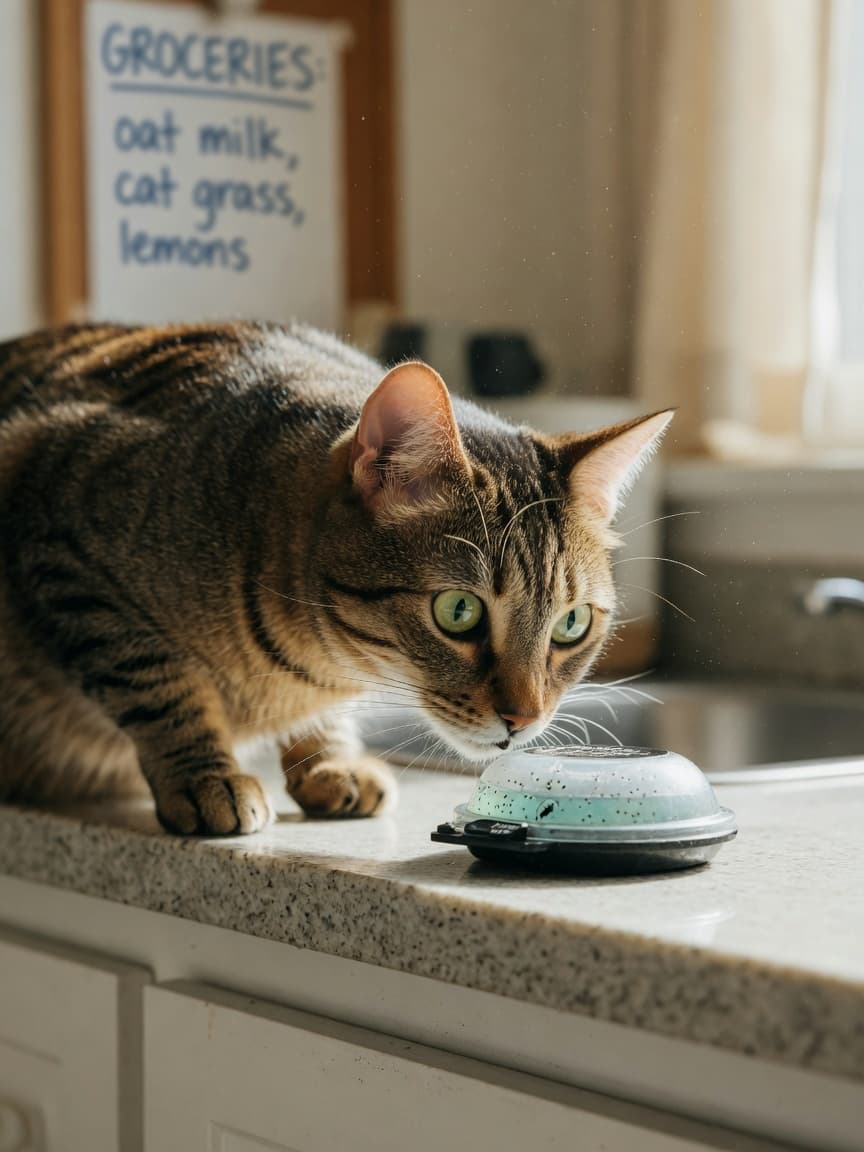
{"en": "Curious cat sniffing near an ant trap on kitchen floor, illustrating household pet safety concerns", "es": "Gato curioso oliendo cerca de una trampa para hormigas en el piso de la cocina", "fr": "Chat curieux reniflant pr\u00e8s d'un pi\u00e8ge \u00e0 fourmis sur le sol de la cuisine", "de": "Neugierige Katze schn\u00fcffelt neben einer Ameisenf Falle auf dem K\u00fcchenboden", "nl": "Nieuwsgierige kat snuffelend bij een mierenval op de keukenvi oer", "pt": "Gato curioso farejando perto de uma armadilha para formigas no ch\u00e3o da cozinha", "it": "Gatto curioso che annusa vicino a una trappola per formiche sul pavimento della cucina"}

Finding ants in your home is frustrating, and reaching for an ant trap seems like a quick solution. However, if you share your space with cats, you need to pause and consider the risks. Ant traps present genuine safety concerns for our feline friends, from toxic chemical exposure to physical hazards. This comprehensive guide will help you understand these dangers and discover safer alternatives that protect both your cat and your home from unwanted ants.

Understanding the Toxins in Ant Traps

Most conventional ant traps contain potent insecticides designed to kill ants quickly and effectively. The active ingredients commonly found in these products include:

  • Organophosphates: These compounds disrupt the nervous system of insects but can similarly affect cats if ingested
  • Pyrethroids: Synthetic pesticides that are particularly toxic to cats, whose livers struggle to metabolise them efficiently
  • Neonicotinoids: Newer generation insecticides that can cause neurological effects in mammals

Even small quantities of these substances can cause serious harm to cats, especially kittens and senior cats with compromised immune systems. The attractive gel or liquid inside the traps may also appeal to curious cats, increasing the risk of ingestion.

Signs Your Cat Has Been Exposed to Ant Trap Toxins

If you suspect your cat has encountered an ant trap, watch for these warning signs:

  • Excessive drooling or vomiting
  • Tremors, twitching, or seizures
  • Muscle weakness or lethargy
  • Loss of appetite
  • Dilated pupils
  • Diarrhoea or constipation
  • Difficulty breathing

Contact your veterinarian immediately if your cat shows any of these symptoms. Time is critical with poisoning cases, so don't delay seeking professional advice.

Safer Alternatives for Ant Control
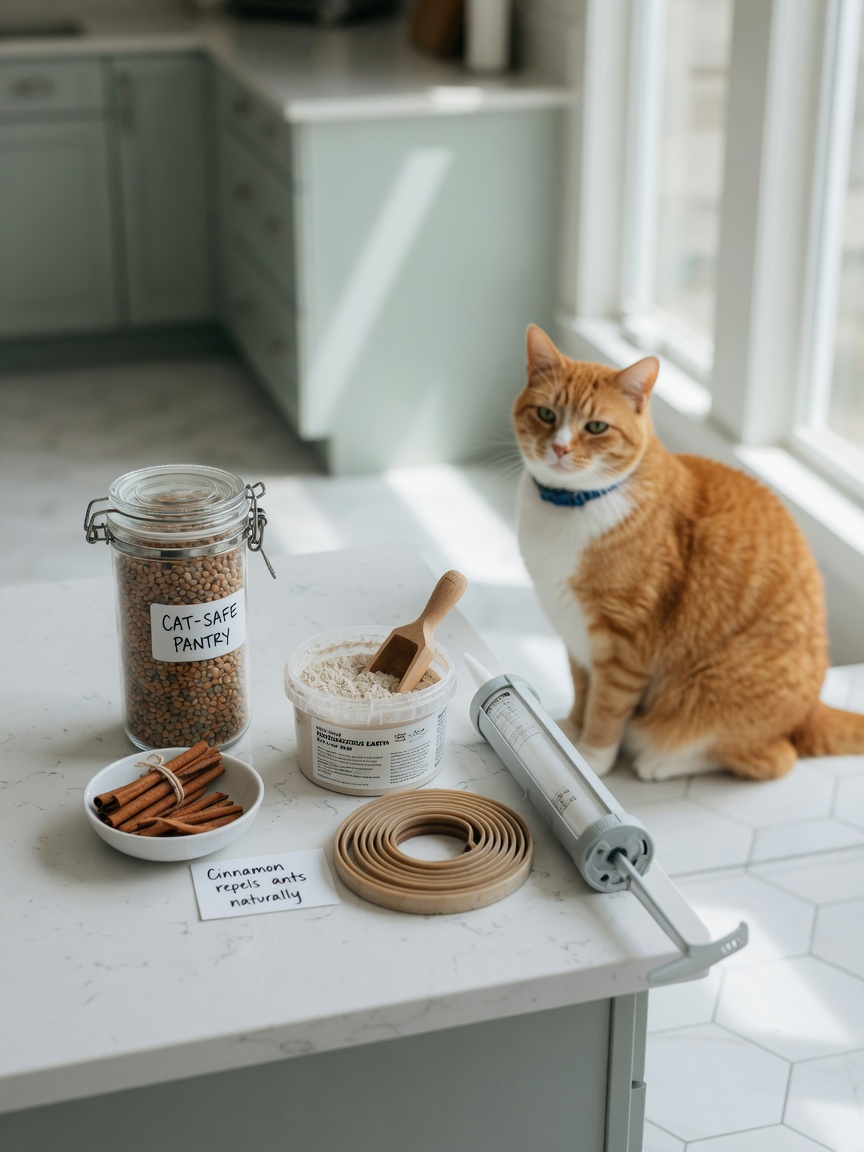
Kitchen countertop displaying safe ant control alternatives including sealed containers, cinnamon, and diatomaceous earth with a content cat in the background

The good news is that you can effectively manage ant problems without putting your cat at risk. These cat-safe methods are equally effective and often more environmentally friendly:

  1. Physical Barriers: Identify ant entry points and seal them with caulk or weatherstripping. This prevents ants from entering your home in the first place
  2. Natural Deterrents: Cinnamon, coffee grounds, and diatomaceous earth (food-grade only) naturally repel ants without toxins
  3. Strategic Placement: Keep ant traps in areas your cat cannot access, such as high shelves, locked cabinets, or rooms you can secure with baby gates
  4. Professional Pest Control: Hire licensed exterminators who offer cat-safe treatments and can apply products in restricted areas
  5. Clean Feeding Areas: Remove pet food promptly and clean up spills thoroughly, as these attract ants

Creating a Cat-Safe Home Environment

Prevention is always better than cure when managing household pests. Maintain good hygiene by wiping surfaces regularly, storing food in airtight containers, and keeping your cat's food and water bowls clean. Reduce moisture sources that attract ants, and consider keeping your cat indoors during pest control treatments.

When to Consult Your Veterinarian

If you're dealing with a significant ant infestation and concerned about your cat's safety, your vet can recommend prescription-strength solutions that are specifically formulated to be safe for pets. Some veterinary clinics can coordinate with pest control services to ensure treatments are cat-compatible.

Key Takeaways

Conventional ant traps are not safe for cats due to their toxic chemical contents. Rather than risking your pet's health, invest time in prevention, use natural deterrents, and store any pesticides far out of reach. When in doubt, contact your veterinarian or a cat-safe pest control professional. Your cat's wellbeing is worth the extra effort to find safer solutions.

#are ant traps safe for cats#cat health#feline nutrition#forpetshealthcare

Sources & further reading

This article is based on peer-reviewed veterinary research and reputable animal-health sources. Explore the underlying science in our Research Library.

Related articles

Can Cats Be Allergic to Dogs?

Many multi-pet households wonder whether their feline companions can develop allergies to their canine housemates. The simple answer is yes—cats can indeed be allergic to dogs, though it's far less common than you might think. Understanding the nature of these allergies and how to manage them is cru…

Read more →

What Vaccinations Does My Kitten Need?

Bringing a new kitten into your home is an exciting time, but it also comes with important responsibilities—and vaccination is one of the most critical decisions you'll make for their health. Kittens are particularly vulnerable to infectious diseases during their early weeks, which is why a proper v…

Read more →

What Can Cats Eat? Safe Human Foods & Toxic Ingredients

As a cat owner, you've probably wondered whether it's safe to share your meals with your feline friend. While cats are obligate carnivores with specific nutritional needs, several human foods can be offered as occasional treats—and just as importantly, many common household items can cause serious h…

Read more →

How to Kitten Proof Your Home

Bringing a new kitten into your home is an exciting time, but it also comes with significant responsibilities. Kittens are naturally curious, energetic, and prone to getting into trouble as they explore their new environment. Unlike adult cats, kittens lack the experience to recognise genuine danger…

Read more →

How to Care for a Sick Kitten

Caring for a sick kitten can be stressful, especially if you're a first-time cat parent. Young kittens are vulnerable to various illnesses, from viral infections to parasites, and recognising the signs early is crucial for their recovery. This guide will help you understand the essentials of kitten …

Read more →

Can Cats Have Blueberries? Is It Safe?

If you've ever wondered whether your feline friend can enjoy the same healthy snacks you do, you're not alone. Blueberries are a nutritional powerhouse for humans, packed with antioxidants and vitamins. But when it comes to our cats, the rules are quite different. The good news is that yes, cats can…

Read more →
Disclaimer:This article is for informational purposes only and does not constitute veterinary advice. Always consult a qualified veterinarian for your pet's health concerns.

Free newsletter

Pet health tips, straight to your inbox

Weekly science-backed advice for dog & cat owners. No spam, unsubscribe anytime.