
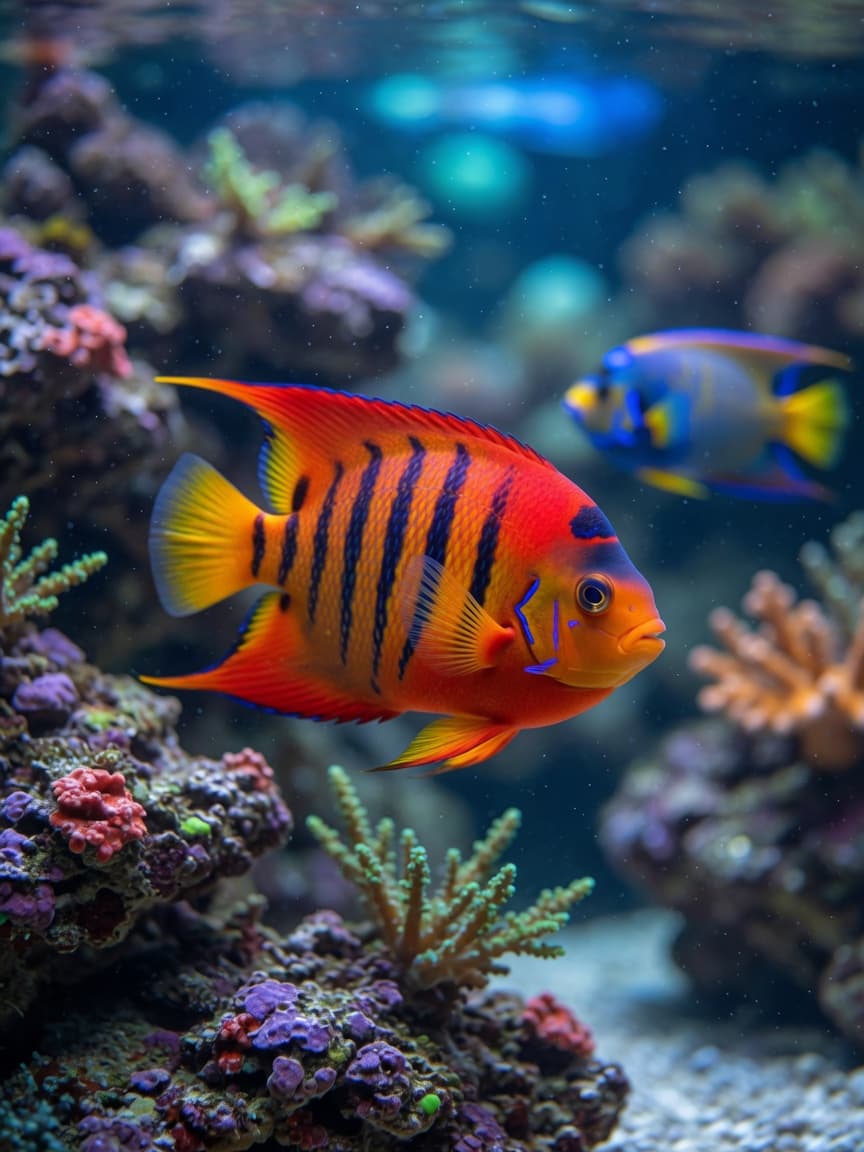
Saltwater angelfish are amongst the most captivating additions to any marine aquarium, offering vibrant colours, graceful movements, and distinct personalities that can transform your underwater environment. However, selecting the right species requires careful consideration of your tank's capacity, maintenance experience, and long-term commitment. This guide will help you navigate the choices available and ensure you select an angelfish that will thrive in your care.
Understanding Saltwater Angelfish Species
Saltwater angelfish belong to the family Pomacanthidae and come in various species, each with unique requirements and characteristics. Unlike freshwater angelfish, marine varieties demand more sophisticated care and stable water conditions. The most popular species for home aquariums include the Flame Angelfish, French Angelfish, and Queen Angelfish, though there are many others worth considering.
Each species exhibits different temperaments, dietary needs, and tank size requirements. Some are relatively hardy and suitable for beginners, whilst others demand experienced aquarists' knowledge and larger tanks. Understanding these distinctions is crucial before making your purchase.
Tank Size and Water Conditions
One of the most critical factors in choosing an angelfish is ensuring your aquarium can adequately support it. Most angelfish require a minimum tank size of 75 gallons, though larger species may need 150 gallons or more. The general rule is that angelfish benefit from additional space as they mature and establish territories.
- Maintain water temperature between 72-78°C (22-26°C)
- Keep pH levels stable between 8.1 and 8.3
- Ensure salinity reads 1.020 to 1.025 (specific gravity)
- Provide excellent filtration and regular water changes of 20-25% weekly
- Maintain calcium and alkalinity levels appropriate for marine environments
Angelfish are sensitive to poor water quality, and fluctuations can cause stress and illness. Invest in reliable testing equipment and maintain meticulous records of your water parameters.
Temperament and Compatibility
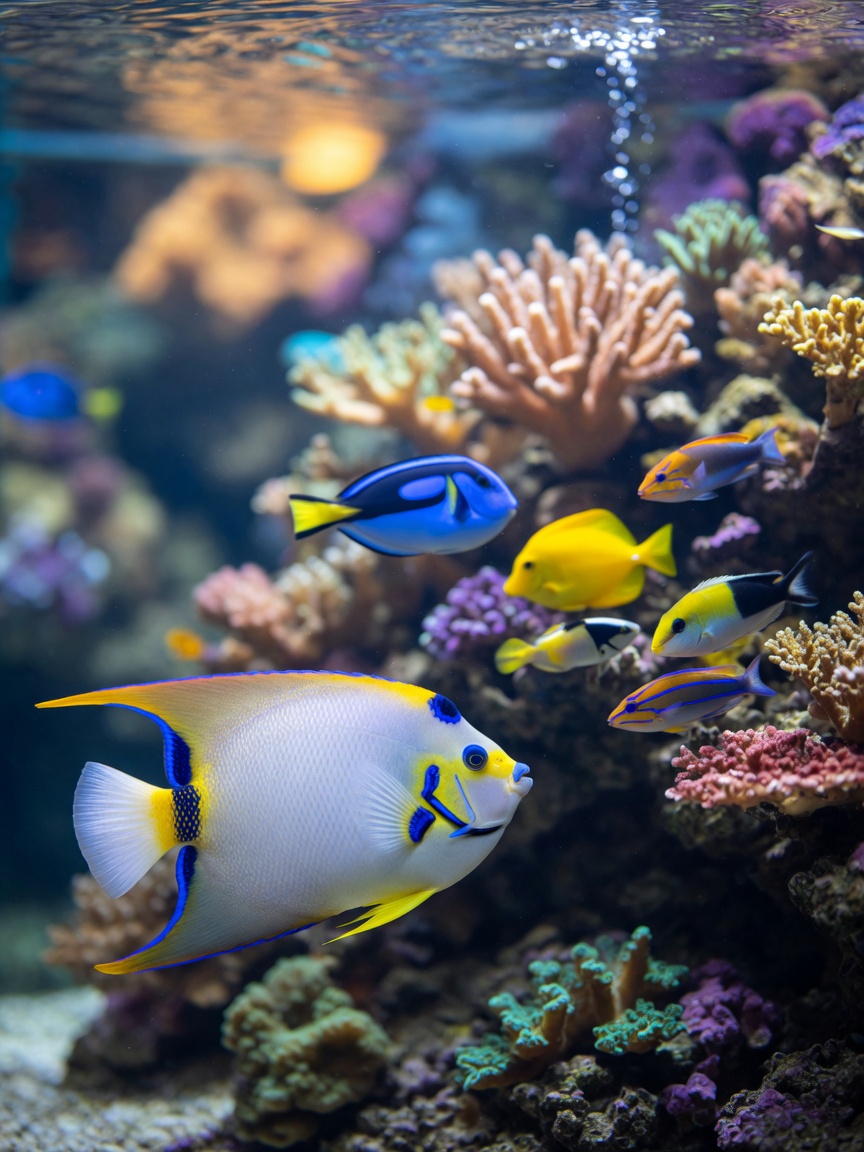
Angelfish vary considerably in temperament. Some species are relatively peaceful, whilst others can be aggressive towards tank mates, particularly other angelfish or similar-shaped fish. Before purchasing, research whether your chosen species is known for territorial behaviour or peaceful coexistence with other marine life.
Consider your existing tank inhabitants carefully. Some angelfish will harass smaller fish or invertebrates, potentially decimating your cleanup crew of crustaceans. Others are more docile and integrate well into community tanks. Always check compatibility guides specific to your chosen species before introducing new fish.
Dietary Requirements and Feeding
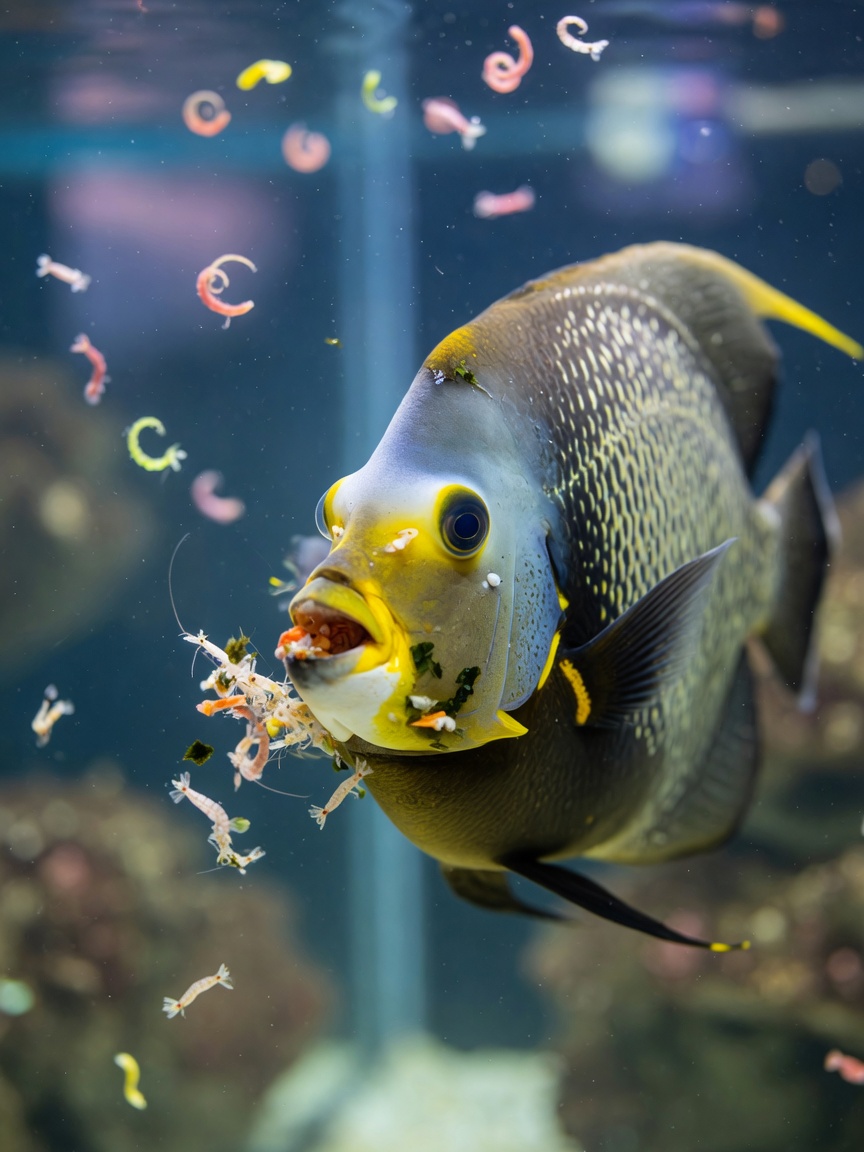
Saltwater angelfish require varied, nutrient-rich diets to maintain their vibrant colouration and overall health. Most species are omnivorous, requiring both vegetation and protein sources.
- Offer high-quality marine flakes or pellets as a staple
- Supplement with frozen foods such as mysis shrimp and brine shrimp
- Include algae-based foods and blanched vegetables for vegetable matter
- Feed small amounts 2-3 times daily, only what they consume in a few minutes
- Observe feeding behaviour to identify any difficulties with food competition
Some species have specialised dietary needs; for example, Flame Angelfish require substantial vegetable matter, whilst others prefer predominantly protein-based diets. Research your chosen species' nutritional requirements thoroughly.
Health Considerations and Acclimation
Angelfish can be susceptible to parasitic infections and marine diseases if stressed. Selecting a healthy specimen from a reputable supplier is essential. Look for fish displaying vibrant colours, clear eyes, and active behaviour. Avoid specimens with visible spots, torn fins, or sluggish movements.
Proper acclimation is vital for newly acquired angelfish. Gradually introduce them to your tank's water conditions over 1-2 hours using the drip method, allowing their bodies to adjust to temperature, salinity, and pH changes.
Key Takeaways
Choosing the best saltwater angelfish requires balancing your experience level, available tank space, and long-term commitment. Start by researching species-specific requirements, ensuring your aquarium infrastructure supports stable water conditions, and carefully considering compatibility with existing inhabitants. Select healthy specimens from reputable sources, invest in proper acclimation procedures, and commit to varied, nutritious feeding regimes. With thoughtful selection and dedicated care, your saltwater angelfish will become a stunning and rewarding addition to your marine aquarium for years to come.