

A Nutrient That Becomes Lethal in Excess
Vitamin D is essential for calcium regulation, bone health, and immune function in dogs. It is also one of the most dangerous nutrients when ingested in excess, with a therapeutic window so narrow that the gap between a beneficial dose and a toxic dose is smaller than for almost any other nutrient in veterinary nutrition. Vitamin D toxicity can kill a dog within days of exposure, and it arises from two quite different routes: accidental over-supplementation and rodenticide poisoning.
How Vitamin D Works — and Why Excess Is Dangerous
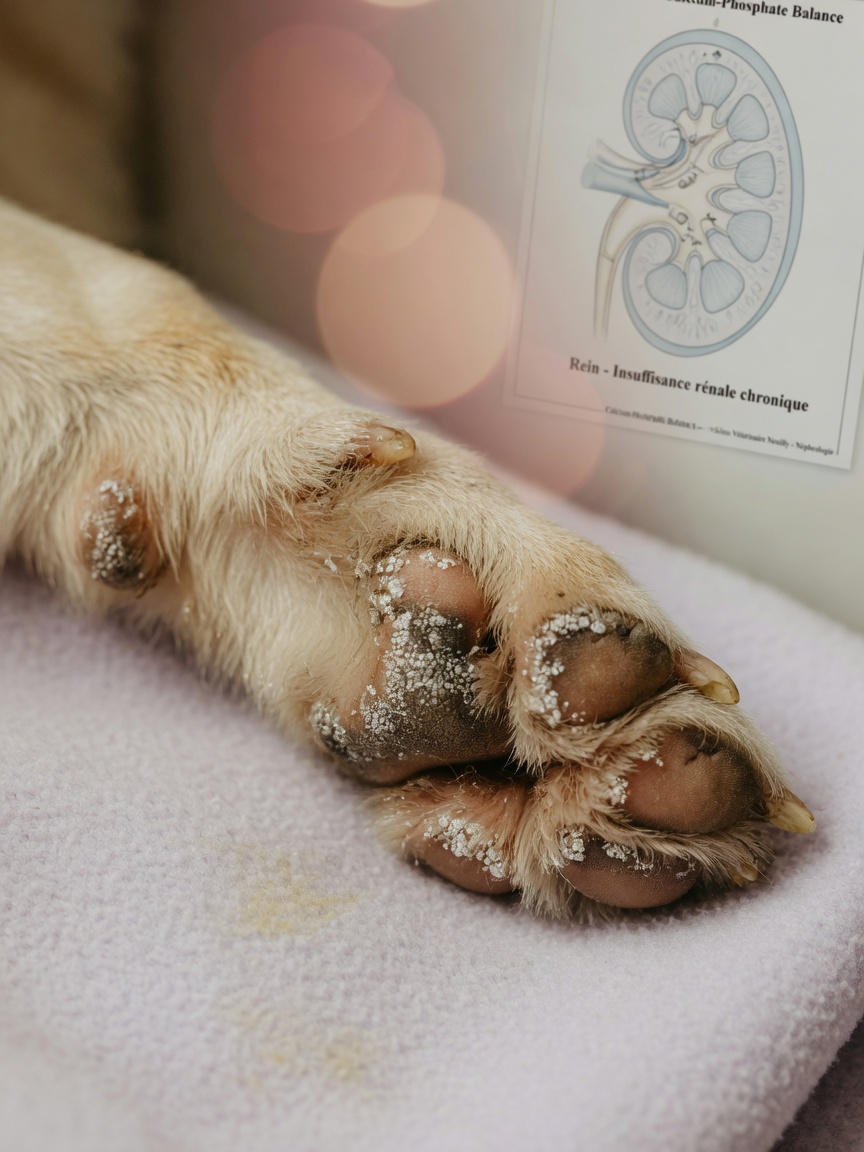
Dogs obtain vitamin D primarily from diet rather than skin synthesis, as their skin-based production from sunlight is minimal compared to humans. Dietary vitamin D3 (cholecalciferol) is converted in the liver to 25-hydroxyvitamin D and then in the kidneys to the active form, calcitriol, which regulates intestinal calcium and phosphorus absorption and bone remodelling.
When vitamin D intake is massively elevated — whether from a supplement, contaminated food, or a rodenticide — circulating 25-hydroxyvitamin D rises to levels that overwhelm normal regulatory mechanisms. Calcium absorption from the gut increases dramatically. The kidneys can no longer excrete calcium fast enough, and serum calcium rises — a state called hypercalcaemia. High calcium causes profound damage to the kidneys, heart, and soft tissues as calcium deposits form in previously healthy tissue.
Sources of Vitamin D Toxicity in Dogs
Cholecalciferol Rodenticides
Rodenticides containing cholecalciferol are among the most dangerous toxins a dog can encounter. Unlike anticoagulant rodenticides where there is an effective antidote (vitamin K1), cholecalciferol poisoning is harder to treat and the margin between a toxic and lethal dose is extremely small. A single large feeding event, or repeated small exposures from a dog investigating bait stations over several days, can cause fatal hypercalcaemia.
Critically, clinical signs may not appear until 24 to 48 hours after ingestion, by which time serum calcium may already be severely elevated. The delay means owners may not connect the rodenticide exposure to their dog's deteriorating condition. Cholecalciferol rodenticides are available in many countries as consumer pest control products, often in appealing block or grain formats — and dogs actively seek them out.
Supplement Overdose
Vitamin D supplementation errors are an underappreciated source of toxicity. Human vitamin D supplements — particularly the high-dose formulations now commonly stocked for adult human use — contain far more cholecalciferol per tablet than any safe dog dose. A dog raiding a supplement bottle, or an owner supplementing without veterinary guidance, can easily administer toxic quantities. There have also been documented cases of commercial pet food recalls due to vitamin D manufacturing errors, where batch contamination delivered toxic doses through everyday feeding.
Calcinogenic Plants
Several plants contain vitamin D analogues that cause hypercalcaemia — including Cestrum diurnum (day-blooming jessamine) and Solanum malacoxylon — though these are geographically limited concerns in the UK and are less common sources of poisoning than the above.
Recognising the Signs of Vitamin D Toxicity
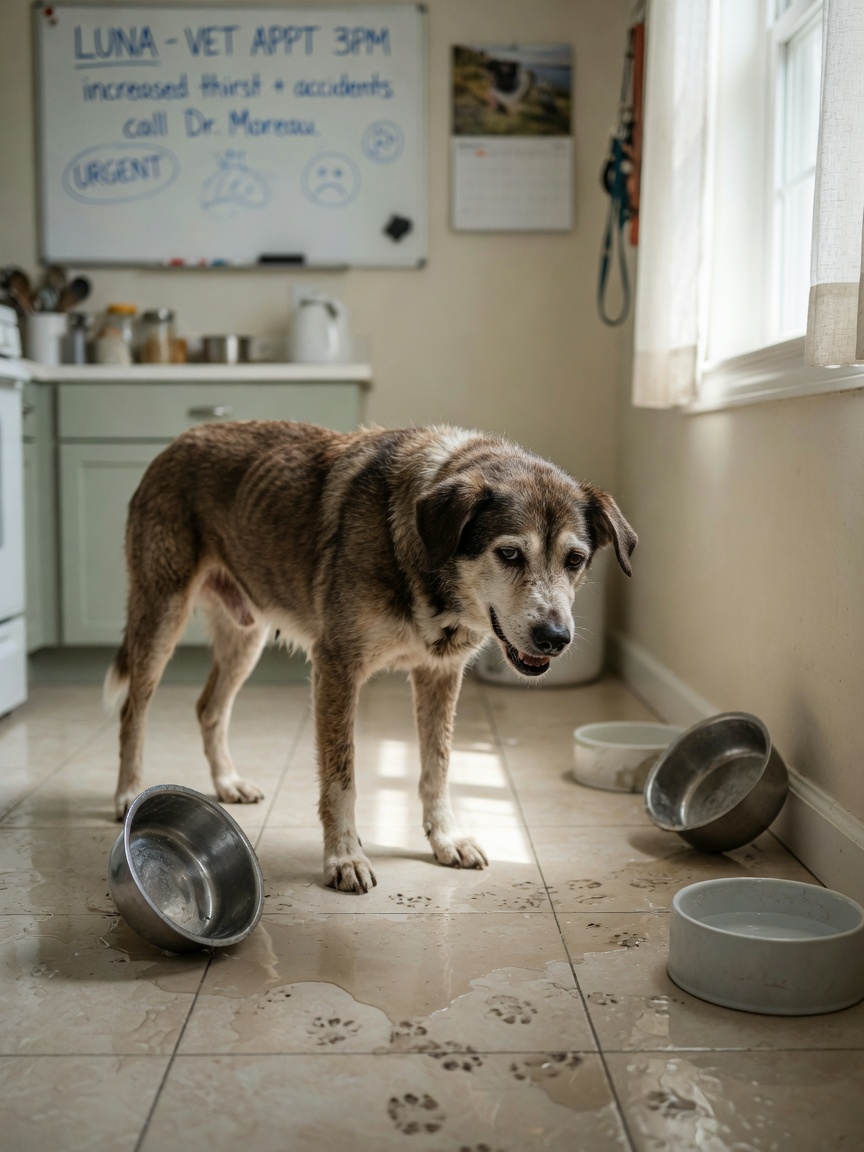
Hypercalcaemia affects multiple organ systems and produces a recognisable clinical picture, though signs are non-specific enough that the exposure history is critical to rapid diagnosis. Signs typically emerge 12 to 72 hours after toxic ingestion and include:
- Marked increase in thirst and urination (polyuria and polydipsia) — often the earliest sign
- Vomiting and loss of appetite
- Lethargy and weakness
- Muscle tremors in severe cases
- Constipation
- Acute kidney failure if untreated — presenting with reduced urination, vomiting, and collapse
- Cardiac arrhythmias in severe hypercalcaemia
If you know or suspect your dog has ingested a cholecalciferol rodenticide or a large quantity of vitamin D supplements, do not wait for symptoms. Contact your vet or an emergency animal poison centre immediately. Early treatment before hypercalcaemia develops is dramatically more effective than treatment after organ damage has begun.
Treatment and Outlook
Treatment involves aggressive intravenous fluid therapy to promote urinary calcium excretion and protect the kidneys, corticosteroids to reduce intestinal calcium absorption, and bisphosphonate drugs such as pamidronate — which inhibit bone calcium resorption — in severe cases. Treatment may be required for weeks, as vitamin D has a long half-life and hypercalcaemia can be prolonged and relapsing. Dogs with severe kidney damage at the time of treatment may not recover full renal function even with intensive care. Prognosis correlates directly with how quickly treatment is initiated after exposure.
Prevention: Practical Steps for Dog Owners
- Store all human vitamin D supplements in child and pet-proof locations — dogs will eat them and the doses are toxic
- Never supplement your dog with vitamin D without specific veterinary advice and dose confirmation — dietary requirements are met by quality commercial food in most healthy dogs
- If using rodenticides, check the active ingredient carefully — choose alternatives to cholecalciferol formulations in households with dogs
- Be aware that bait stations do not prevent dogs from accessing rodenticide if the dog is motivated and unsupervised
- If you suspect any vitamin D exposure, treat it as an emergency and contact your vet before symptoms appear
- Check any pet food recall notices — vitamin D manufacturing errors have occurred in commercial brands and represent a real, if rare, risk