
Upper Respiratory Infections in Cats: The Feline Cold Explained
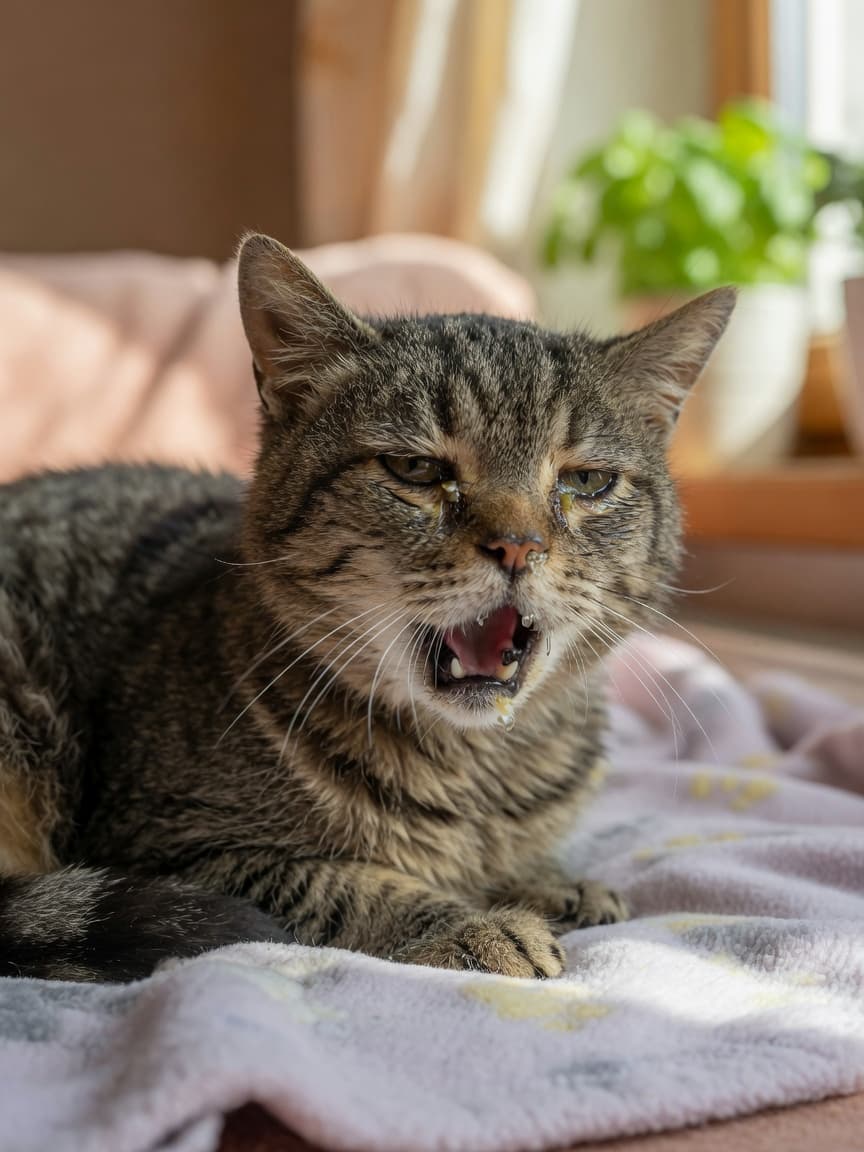
If you have ever watched your cat sneeze repeatedly, struggle with a runny nose, or squint through watery eyes, you have likely witnessed a feline upper respiratory infection firsthand. Known colloquially as the cat cold, upper respiratory infections are among the most common illnesses seen in cats, particularly in shelters, catteries, and multi-cat households. Understanding what causes them, how they spread, and how to manage them can make a real difference to your cat's comfort and recovery.
What Causes Upper Respiratory Infections in Cats?
Unlike the common cold in humans, feline upper respiratory infections are most frequently caused by two specific pathogens: feline herpesvirus type 1 (FHV-1) and feline calicivirus (FCV). Together, these two agents are responsible for the vast majority of cases, accounting for roughly 90 per cent of all feline upper respiratory disease. Bacterial infections, including Chlamydophila felis and Bordetella bronchiseptica, can also contribute, either as primary causes or secondary complications.
Feline herpesvirus is particularly notable because once a cat is infected, the virus remains dormant in the nervous system for life. Periods of stress, illness, or immunosuppression can trigger reactivation, causing recurring bouts of symptoms even in cats that appear otherwise healthy. Calicivirus, while capable of causing similar signs, tends to be associated more often with oral ulcers and, in some strains, can lead to more severe systemic disease.
How Does the Infection Spread?
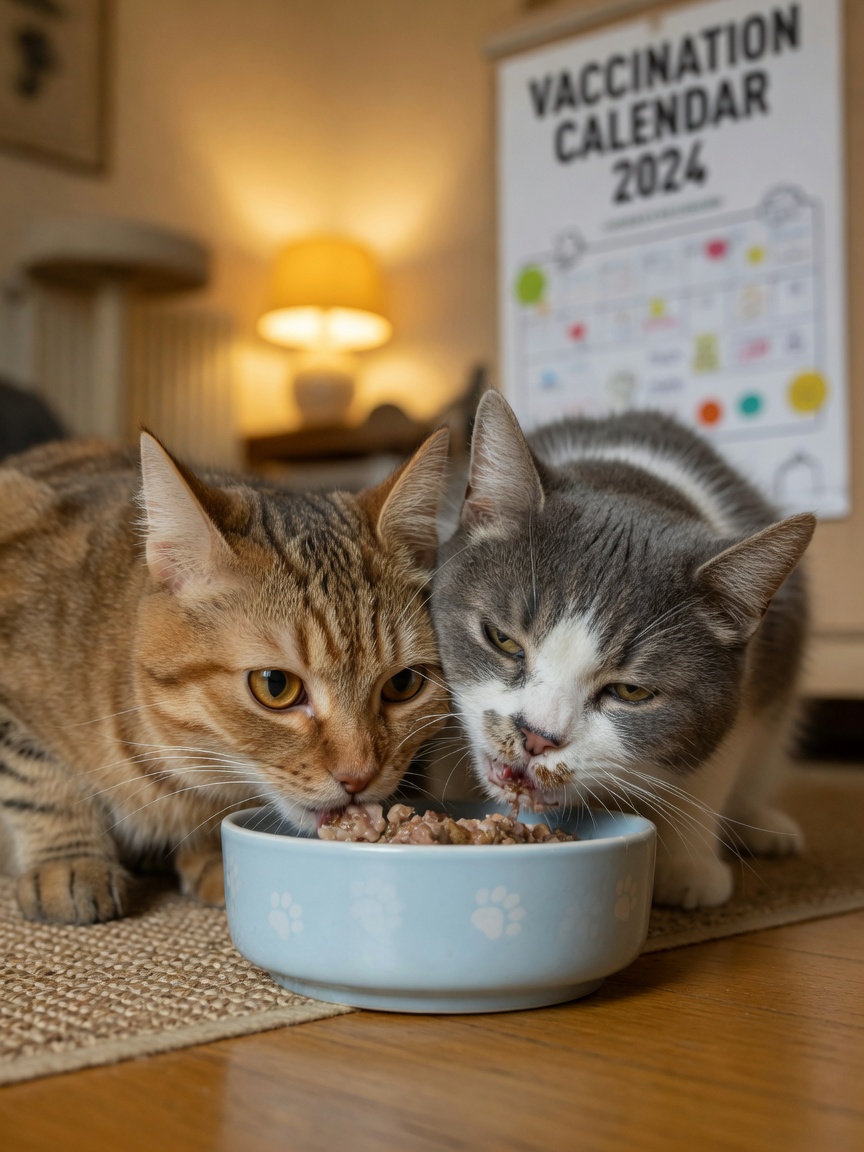
Upper respiratory infections spread through direct contact with infected secretions — nasal discharge, saliva, and eye discharge are the primary routes of transmission. Shared food bowls, water dishes, litter trays, and grooming between cats all facilitate the spread of infection. The viruses can also survive briefly on surfaces and hands, meaning indirect transmission is possible.
Cats living in close proximity to one another are at the greatest risk. Kittens, elderly cats, and immunocompromised individuals are especially vulnerable to developing serious illness. Stress is a major trigger, which is why shelter environments, boarding facilities, and house moves are so frequently associated with outbreaks.
Recognising the Symptoms
The clinical signs of a feline upper respiratory infection are often similar to what you might experience with a cold yourself, though cats tend to feel them more acutely. Common symptoms include:
- Sneezing, sometimes in prolonged bouts
- Nasal discharge, which may be clear or become thick and yellow-green as a secondary bacterial infection develops
- Watery or discharge-heavy eyes, and possible conjunctivitis
- Lethargy and reduced activity
- Loss of appetite, often linked to an inability to smell food
- Mild fever
- Mouth ulcers, particularly with calicivirus infections
In most healthy adult cats, symptoms resolve within one to three weeks with appropriate supportive care. However, kittens under twelve weeks, cats with underlying health conditions, and those who stop eating entirely require prompt veterinary attention, as complications such as pneumonia and dehydration can develop quickly.
Diagnosis and Veterinary Treatment
Diagnosis is typically made on clinical signs alone, though swabs of the eye or nasal passages can be sent for PCR testing to confirm the specific pathogen involved. This level of investigation is more common in cattery or shelter outbreaks where knowing the causative agent helps guide management decisions.
There is no antiviral treatment available for routine clinical use in cats with herpesvirus infections, though lysine supplementation has historically been recommended. It is worth noting that more recent evidence has cast doubt on its efficacy, and many veterinary associations no longer advocate its routine use. Antiviral eye drops such as idoxuridine or cidofovir may be prescribed for cats with significant ocular herpesvirus disease.
Antibiotics are not effective against viral infections, but your vet may prescribe them when a secondary bacterial infection is suspected or confirmed. Doxycycline is a common choice when Chlamydophila or Bordetella are involved. Supportive care — ensuring the cat remains hydrated, maintaining appetite, and keeping nasal passages clear — forms the backbone of home management.
Caring for a Cat With an Upper Respiratory Infection at Home
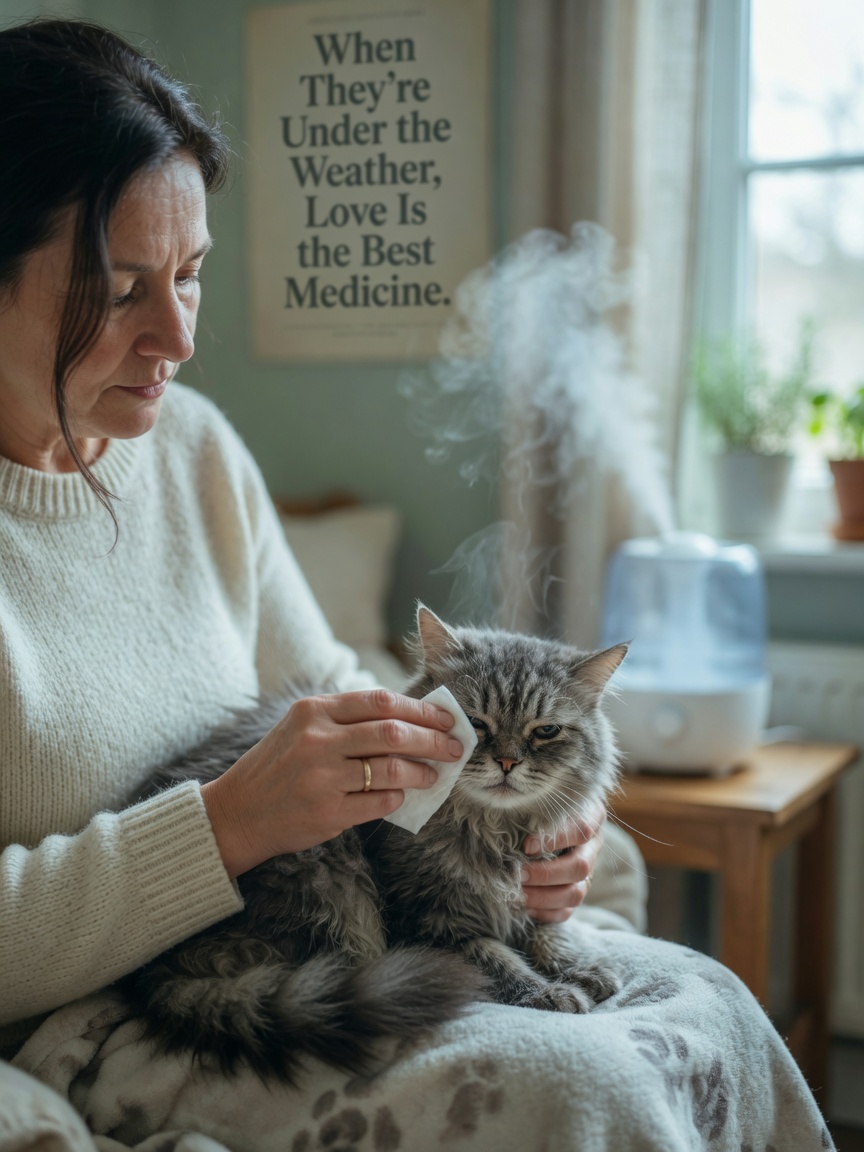
The most important thing you can do for a cat recovering from an upper respiratory infection is keep them eating and hydrated. Cats with blocked noses often refuse food because they cannot smell it. Warming food slightly can help, as can switching temporarily to strong-smelling wet food. Using a humidifier or allowing your cat to sit in a steamy bathroom for short periods can help loosen congestion and ease breathing.
Keep their eyes and nose gently clean, wiping away any discharge with a damp cotton pad. Isolate affected cats from others in the household to reduce the risk of transmission. Encourage rest and keep stress levels low, as anxiety can prolong recovery.
Prevention and Vaccination
Vaccination is the most effective tool for reducing the severity of upper respiratory infections. The core feline vaccine covers both herpesvirus and calicivirus, and while it does not prevent infection entirely, it significantly reduces the severity and duration of clinical signs. Kittens typically receive their initial course from eight weeks of age, with regular boosters recommended throughout life.
Good hygiene practices in multi-cat environments are equally important. Regular disinfection of shared items, avoiding the sharing of food and water bowls between unknown cats, and quarantining new arrivals before introducing them to resident cats all reduce transmission risk considerably.
Upper respiratory infections are rarely life-threatening in otherwise healthy adult cats, but they can cause significant discomfort and, in vulnerable individuals, serious complications. Knowing the signs early and seeking veterinary advice promptly gives your cat the best chance of a swift, comfortable recovery.