
Keeping Turtles and Tortoises in the EU: What Every Owner Must Know
Turtles and tortoises are among the most fascinating reptiles kept as pets, but they are also among the most demanding. Before acquiring one, European keepers must understand that many species are protected under CITES (the Convention on International Trade in Endangered Species), and ownership without proper documentation can result in serious legal consequences. Beyond the legal side, these animals have highly specific care requirements that, when neglected, lead to chronic illness and a shortened lifespan.
CITES Regulations in the EU
In the European Union, the CITES framework is implemented through EU Wildlife Trade Regulations. A large number of tortoise and turtle species fall under Annex A (corresponding to CITES Appendix I) or Annex B (Appendix II), which means their sale and transfer are tightly controlled.
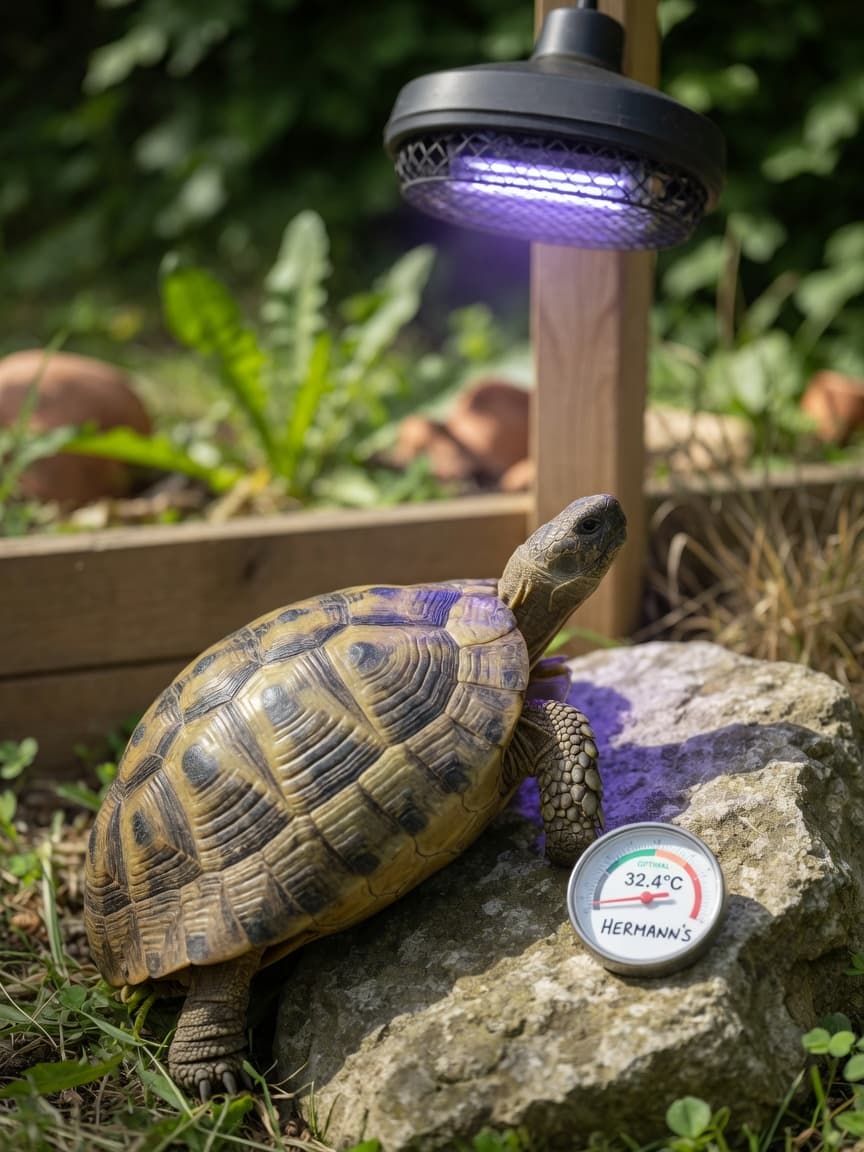
Common species affected include the Hermann's tortoise (Testudo hermanni), the spur-thighed tortoise (Testudo graeca), and the marginated tortoise (Testudo marginata), all listed under Annex A. If you purchase or sell any Annex A specimen within the EU, you must have a valid Article 10 certificate issued by the relevant national authority. Buyers should always request this documentation from a breeder or seller. Failure to produce it renders the transaction illegal, even if both parties acted in good faith.
Aquatic species such as the red-eared slider (Trachemys scripta elegans) present a different legal challenge: they are an invasive species in Europe and their sale has been prohibited in the EU since 1997. If you already own one legally, you may keep it, but you cannot sell or release it.
UV-B Lighting: Non-Negotiable for Health
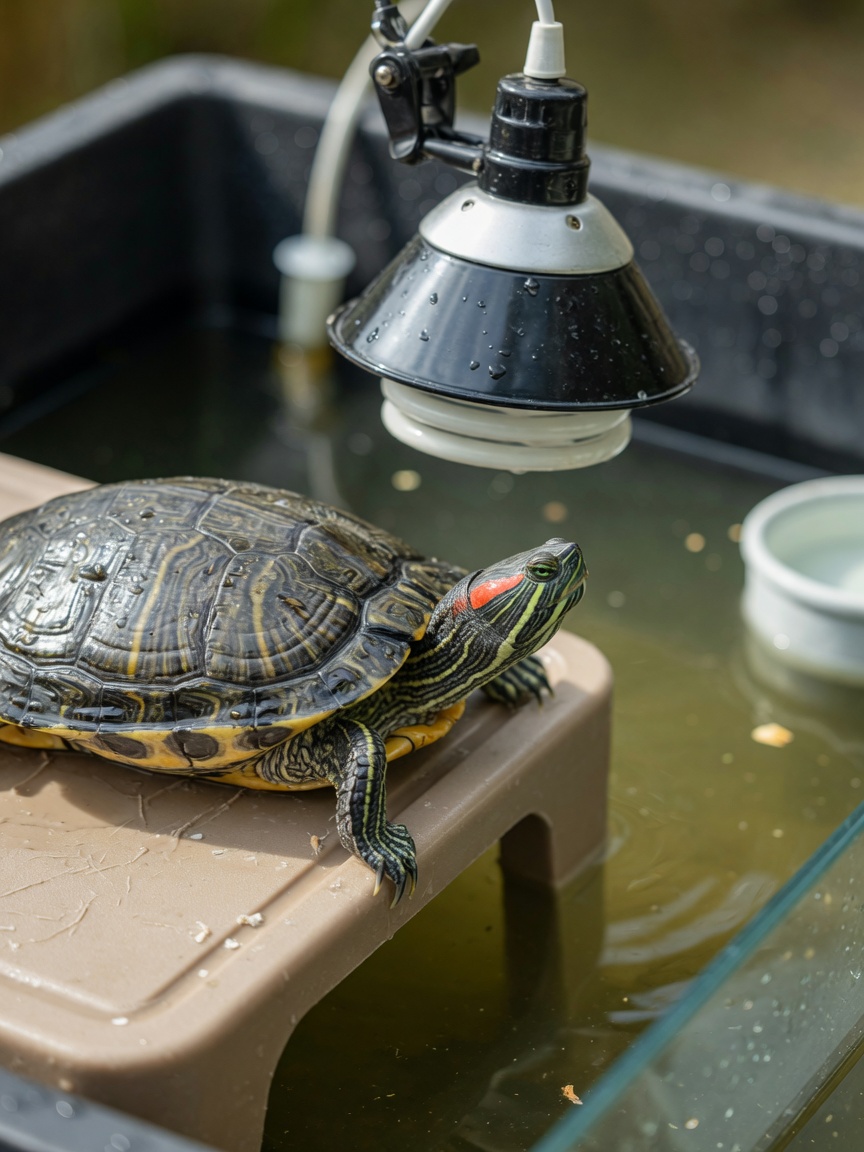
Both tortoises and aquatic turtles require UV-B radiation to synthesise vitamin D3, which is essential for calcium metabolism and shell development. Without adequate UV-B, animals develop metabolic bone disease — a painful and potentially fatal condition characterised by soft shells, deformed limbs, and lethargy.
For tortoises, a UV-B bulb rated at 10–12% UV-B output is recommended, positioned within 30–40 cm of the basking area. Bulbs degrade over time even when they still emit visible light, so replace them every six to twelve months. Aquatic turtles also require a dedicated UV-B lamp positioned above a dry basking platform where the animal can leave the water entirely.
Zooplus stocks a good range of reptile UV-B lighting and complete tortoise table kits, which makes it a practical first stop when setting up an enclosure or replacing ageing equipment.
Hibernation in Tortoises
Many European tortoise species undergo hibernation in the wild, and replicating this cycle in captivity is important for their long-term health. Hermann's, spur-thighed, and marginated tortoises typically hibernate between October and March, depending on temperature cues.
Before hibernation, the tortoise must be healthy and at a good weight. A vet check in September is strongly advisable. The animal should be fasted for three to four weeks before hibernating to allow the gut to empty, as undigested food rots during hibernation and can be fatal. The tortoise should be hibernated in a cool, dark location — a shed or unheated garage — at a stable temperature between 4°C and 8°C. Temperatures below 2°C risk freezing; above 10°C the tortoise may wake prematurely and burn through fat reserves.
Aquatic turtles kept indoors generally do not need to hibernate in captivity, and attempting to force hibernation in a species not adapted to it can be dangerous.
Diet: Aquatic Turtles vs. Tortoises
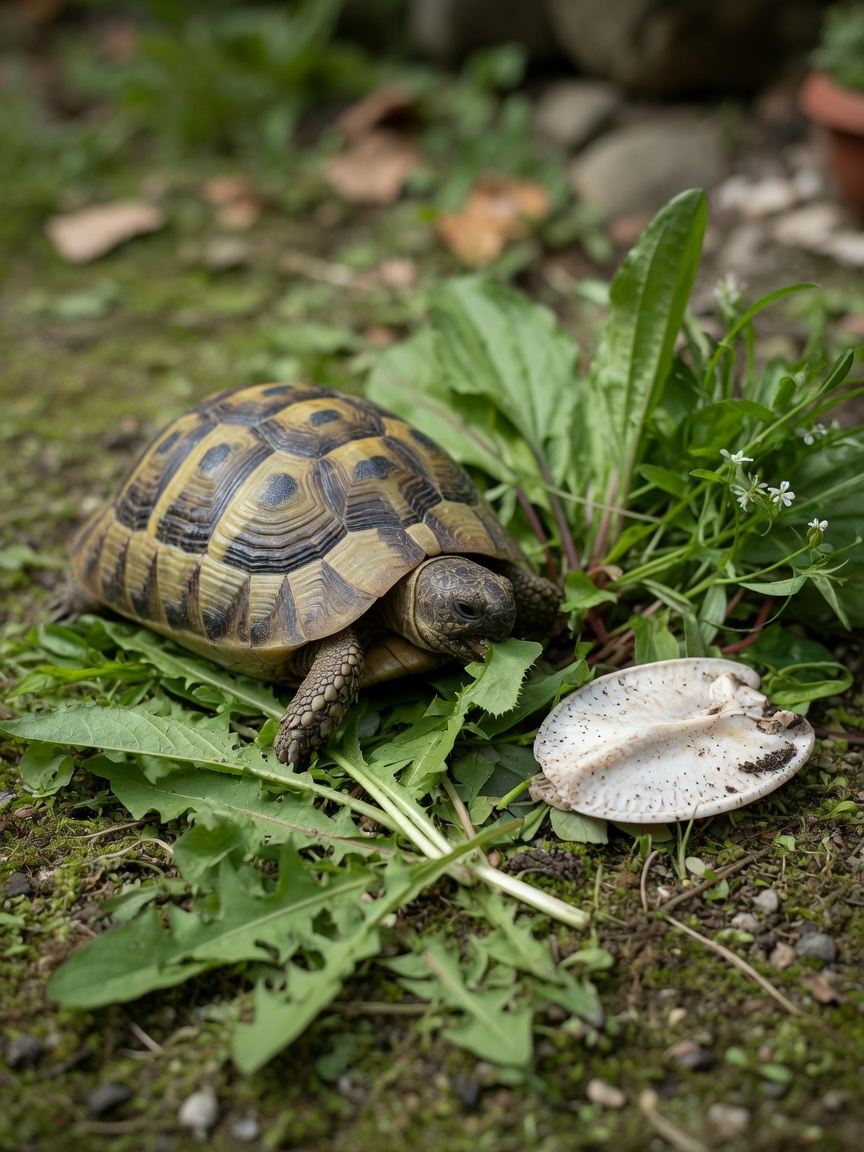
One of the most common mistakes new keepers make is feeding all chelonians the same diet. Tortoises are almost exclusively herbivorous and need a high-fibre, calcium-rich diet based on leafy weeds and grasses. Suitable plants include dandelion, plantain, clover, and wild rocket. Commercial fruit and vegetables should be offered sparingly, as excess sugar and water content disrupts gut flora. Protein sources like dog food or cat food, sometimes recommended online, are harmful and must be avoided entirely.
Aquatic turtles, by contrast, are omnivorous and require a varied diet of aquatic turtle pellets, live or frozen invertebrates, leafy greens, and occasional feeder fish. Hatchlings tend to be more carnivorous and gradually shift towards a more plant-based diet as they mature. Calcium supplementation — via a cuttlefish bone placed in the enclosure or a calcium powder dusted on food — is important for both groups.
Shell Rot
Shell rot (ulcerative shell disease) is a bacterial or fungal infection that penetrates the scutes and underlying bone of the shell. It presents as soft, discoloured patches, foul-smelling discharge, or pitting on the shell surface. In aquatic turtles, it is often associated with poor water quality or physical injury. In tortoises, it may follow trauma or prolonged damp conditions.
Mild cases can be treated with topical antiseptics and improved husbandry, but any case involving soft or pitted bone requires veterinary attention. A reptile-experienced vet may debride the affected tissue and prescribe systemic antibiotics. Left untreated, shell rot progresses inward and becomes life-threatening.
Respiratory Infections
Respiratory infections are among the most frequent health problems seen in captive tortoises, particularly following hibernation or exposure to cold draughts. Symptoms include wheezing, nasal discharge, open-mouth breathing, and lethargy. In tortoises, a runny nose (rhinitis) may indicate a herpesvirus infection, which is highly contagious between tortoises and has no cure — only supportive management.
Bacterial respiratory infections respond to antibiotic treatment prescribed by a vet. Improving ambient temperature and eliminating draughts are essential supportive measures. Any tortoise displaying respiratory symptoms should be kept warm, isolated from other tortoises, and seen by a vet promptly.
Finding a Reptile-Experienced Vet
General small-animal vets often have limited experience with chelonians. It is worth identifying a reptile-specialist vet in your area before you actually need one. In the EU, many university veterinary hospitals have exotic animal departments, and national herpetological societies often maintain referral lists.
Final Thoughts
Turtles and tortoises can live for decades — some tortoise species routinely exceed 50 years in captivity. That longevity comes with responsibility. Understanding the legal framework around CITES, investing in proper UV-B lighting, feeding the correct diet for your species, managing hibernation carefully, and acting quickly when health problems arise will give your animal the best possible chance of a long and healthy life.