
Why the First 14 Weeks Shape Your Cat's Future
There is a period in every kitten's early life when their brain is uniquely primed to absorb new experiences without fear. During this time, whatever they encounter repeatedly and positively becomes part of their baseline understanding of the world. Once this window closes, new experiences are processed with more caution, sometimes developing into lasting fear or anxiety if not handled carefully.
This period is known as the socialisation window, and in cats it runs from approximately two to fourteen weeks of age. What happens during this time has a significant influence on temperament, confidence, and how your cat responds to people, other animals, and novel situations throughout their entire life.
What the Socialisation Window Actually Means
During the sensitive period, a kitten's brain is forming neural connections at a remarkable rate. Novel stimuli encountered during this phase are processed as normal, provided the experience is not traumatic. Stimuli encountered outside this window, particularly those that are new or startling, are more likely to trigger a cautious or fearful response.
This does not mean a cat cannot learn or adapt after fourteen weeks. However, it does mean that building confidence with new people, sounds, textures, and environments requires more patient, repetitive work once the window has closed. Prevention through early exposure is significantly easier than rehabilitation later.
What to Introduce Before 14 Weeks
People
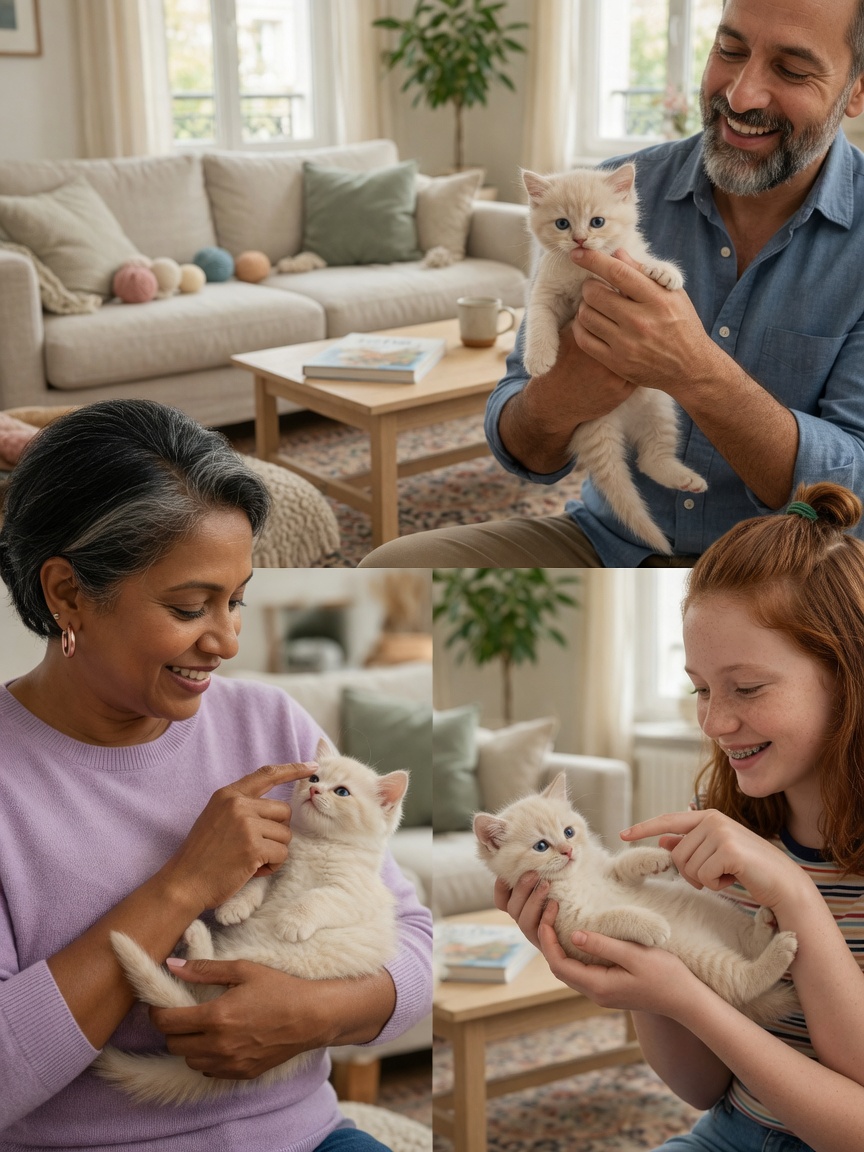
Kittens that are regularly handled by a variety of people during the socialisation window tend to be more comfortable with humans throughout life. Research suggests that handling by at least four different people during this phase significantly improves social confidence. Encourage adults and children (supervised) to hold and gently interact with kittens from as early as two weeks, when the eyes have opened and the kitten is responsive.
Introduce people of different appearances, voices, and movement styles. A kitten that has only ever met quiet adults may be startled by energetic children later on.
Other Animals
If you have other pets in the household, or intend to in the future, early positive exposure is invaluable. Introduce kittens to vaccinated, calm adult cats or dogs in a controlled and supervised environment. The goal is not prolonged interaction but repeated short experiences where nothing frightening happens.
Kittens raised exclusively with their littermates and no other species may be more reactive to dogs or unfamiliar cats when older.
Sounds
Urban and domestic environments are full of sounds that can startle a cat with no prior exposure to them. Hoovers, washing machines, doorbells, traffic, children playing, and raised voices are all worth introducing in a low-intensity, gradual way. Commercially available sound desensitisation tracks exist for this purpose, but simply allowing kittens to experience a normal household environment is often sufficient.
Handling and Touch
Practice handling every part of a kitten's body during the socialisation window. This includes lifting paws, touching ears, opening the mouth gently, and handling the tail. Kittens accustomed to this type of contact are significantly easier to examine at the vet and are more tolerant of grooming as adults.
Keep handling sessions short and positive, always pairing touch with calm praise or a small treat if the kitten is eating solid food.
Environments and Surfaces
Exposure to a variety of surfaces, spaces, and levels helps kittens develop physical confidence and reduces fear responses to novelty. Allow kittens to explore different textures underfoot, encounter steps and raised platforms, and experience moving from room to room in the home.
The Role of the Breeder
Because the socialisation window begins at two weeks and kittens typically go to new homes at eight to twelve weeks, a substantial portion of this critical period is spent with the breeder. This makes the breeder's approach to early socialisation enormously important.
When selecting a kitten, ask breeders directly about their socialisation practices. Kittens raised in a busy household environment with regular human contact and varied stimuli are at a significant advantage over those raised in a separate outbuilding with minimal interaction. Be cautious of any breeder who seems dismissive of socialisation or discourages handling before sale.
What You Can Do From Day One at Home
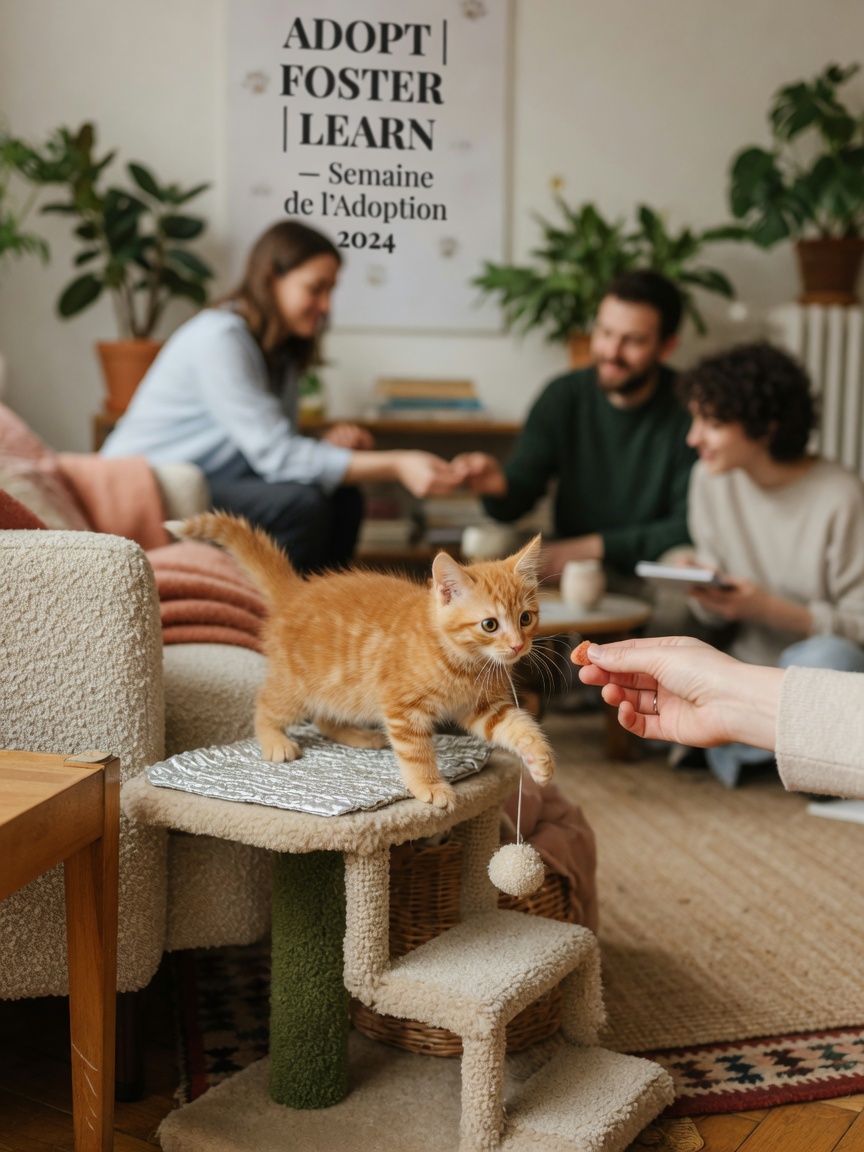
When a kitten arrives in your home, the socialisation window is not yet closed. Even if your kitten arrives at eight or nine weeks, you still have several weeks to make a meaningful difference.
- Allow exploration of the home gradually, starting with one or two rooms before expanding access
- Introduce novel objects and sounds at low intensity, never forcing the kitten to approach
- Invite different visitors to meet your kitten during these early weeks
- Attend a kitten socialisation class if your vet offers one, as these provide structured exposure in a safe environment
- Use positive reinforcement consistently, pairing new experiences with food or play
Signs That Socialisation Is Not Going Well
Some kittens are naturally more cautious than others, and genetics play a role alongside environment. If your kitten is hiding persistently, hissing or spitting at approaches, refusing to eat in your presence, or showing dilated pupils and flattened ears during routine interactions, this warrants attention.
Do not force interaction with a frightened kitten. Instead, allow the kitten to approach on their own terms, use slow blinks and averted gazes to signal safety, and consider consulting a veterinary behaviourist if fear responses are intense or not improving.
After 14 Weeks
The closing of the socialisation window is gradual rather than an abrupt cut-off. Kittens between fourteen and twenty weeks are still capable of forming positive associations, they simply require more patience and consistency. Adult cats that missed early socialisation can improve with time, professional guidance, and an environment that prioritises choice and safety over forced interaction.
However, the most reliable path to a confident, sociable cat remains intentional, positive exposure during those first fourteen weeks of life.