
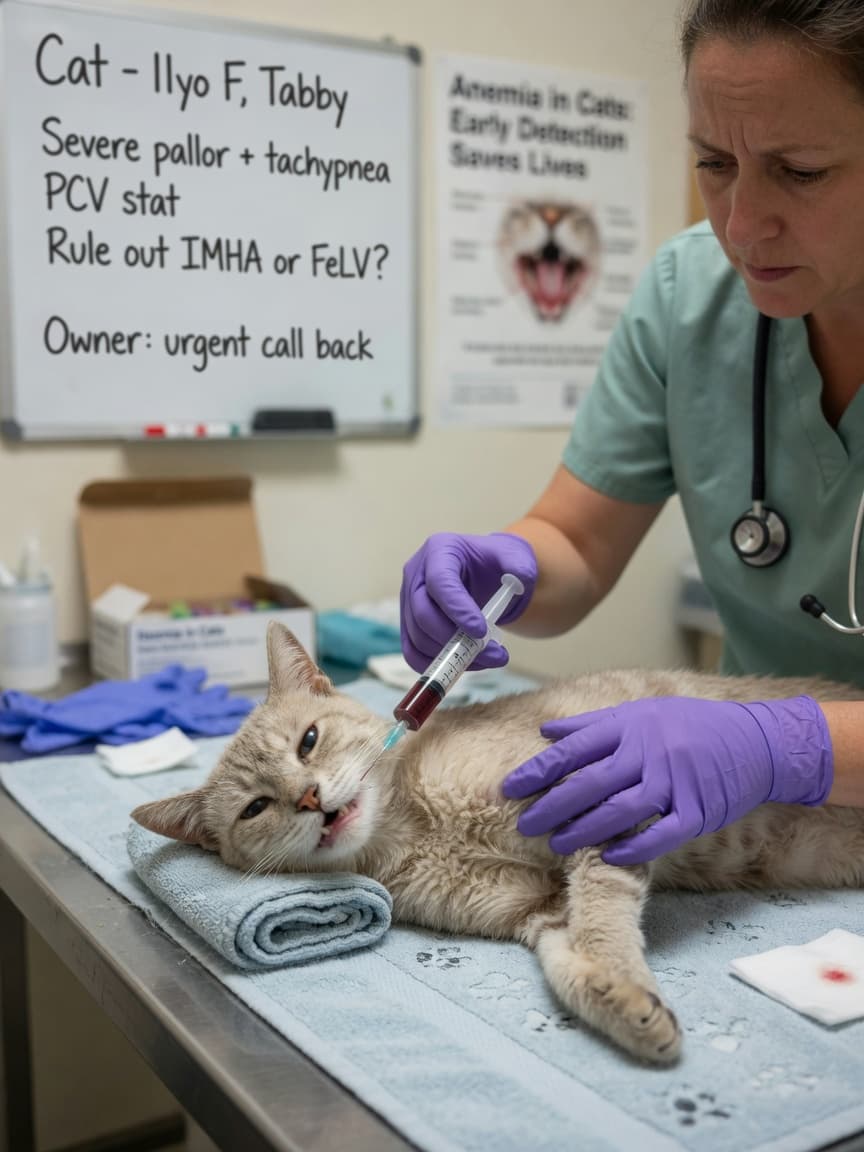
When Your Cat's Blood Becomes the Battlefield
A cat that was bright and energetic one week can be profoundly weak, pale-gummed, and struggling to breathe the next. Feline infectious anaemia — caused by haemotropic mycoplasma bacteria — is one of the more dramatic and underdiagnosed conditions in domestic cats. Understanding what it is, how it spreads, and what treatment involves can be the difference between a full recovery and a fatal outcome.
What Is Mycoplasma haemofelis?
Mycoplasma haemofelis is a small, wall-less bacterium that attaches to the surface of red blood cells. Once attached, it triggers the immune system to recognise those cells as foreign and destroy them — a process called immune-mediated haemolytic anaemia. The result is a rapid and sometimes catastrophic drop in red blood cell count.
Two related species — Candidatus Mycoplasma haemominutum and Candidatus Mycoplasma turicensis — also infect cats but generally cause milder disease. M. haemofelis is the most clinically significant and the one most likely to require urgent intervention.
How Do Cats Become Infected?
Transmission Routes
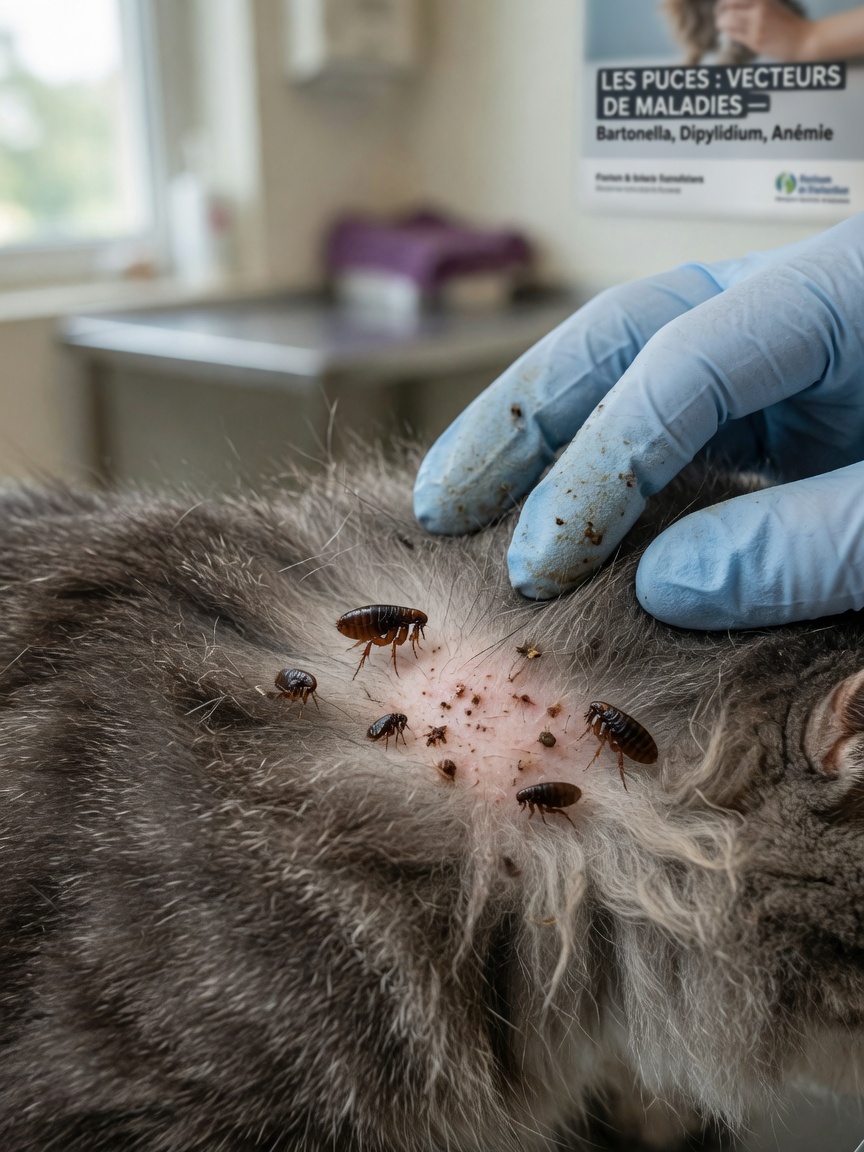
The primary route of transmission is through blood-sucking ectoparasites, particularly fleas. Cat fleas (Ctenocephalides felis) are confirmed vectors, and ticks are also implicated. Cats that fight — especially entire males — can transmit the organism through bite wounds, as blood contact is sufficient for infection. Blood transfusions from untested donor cats represent another potential route.
Risk Factors
Outdoor access, living in multi-cat households, and the absence of routine flea control all increase exposure risk. Immunocompromised cats, including those with FIV or FeLV infection, are significantly more susceptible to severe disease. However, even previously healthy cats can develop life-threatening anaemia.
Recognising the Signs
Clinical signs reflect the degree of anaemia and how quickly it develops. Cats with gradual onset may appear simply lethargic and less interested in food. Those with acute, rapidly progressing anaemia can present in genuine crisis.
- Pale, white, or yellowish (icteric) gums
- Rapid or laboured breathing
- Extreme lethargy or collapse
- Increased heart rate
- Reduced appetite and weight loss
- Occasional fever
- Splenomegaly (enlarged spleen) detectable on examination
Some cats carry the infection without showing signs — these subclinical carriers can become acutely ill if stressed or immunosuppressed. Pale gums in any cat should prompt an urgent veterinary visit without delay.
Diagnosis: Why Blood Tests Are Essential
Laboratory Findings
A full blood count will reveal anaemia, often regenerative in nature, meaning the bone marrow is attempting to compensate by releasing immature red blood cells. The haematocrit — the proportion of blood made up of red cells — is frequently severely reduced.
Confirming the Pathogen
Mycoplasma haemofelis can sometimes be seen on a blood smear as small dark dots on the surface of red cells, but this is not reliable. PCR (polymerase chain reaction) testing of a blood sample is the gold standard and can distinguish between the three species. This distinction matters clinically, as M. haemofelis demands more aggressive treatment.
Treatment and Management
Antibiotic Therapy
Doxycycline is the first-line antibiotic and is typically given for a minimum of four weeks. It does not always eliminate the organism entirely — some cats become long-term subclinical carriers — but it controls active infection and allows red cell counts to recover. Pradofloxacin is an alternative with evidence of superior efficacy in clearing the organism in some cases.
Immune Suppression
Because much of the red cell destruction is immune-mediated, corticosteroids such as prednisolone are frequently added to reduce the body's attack on its own cells. The decision to use immunosuppressants requires careful clinical judgement from your vet, particularly in cats with concurrent infections.
Supportive Care
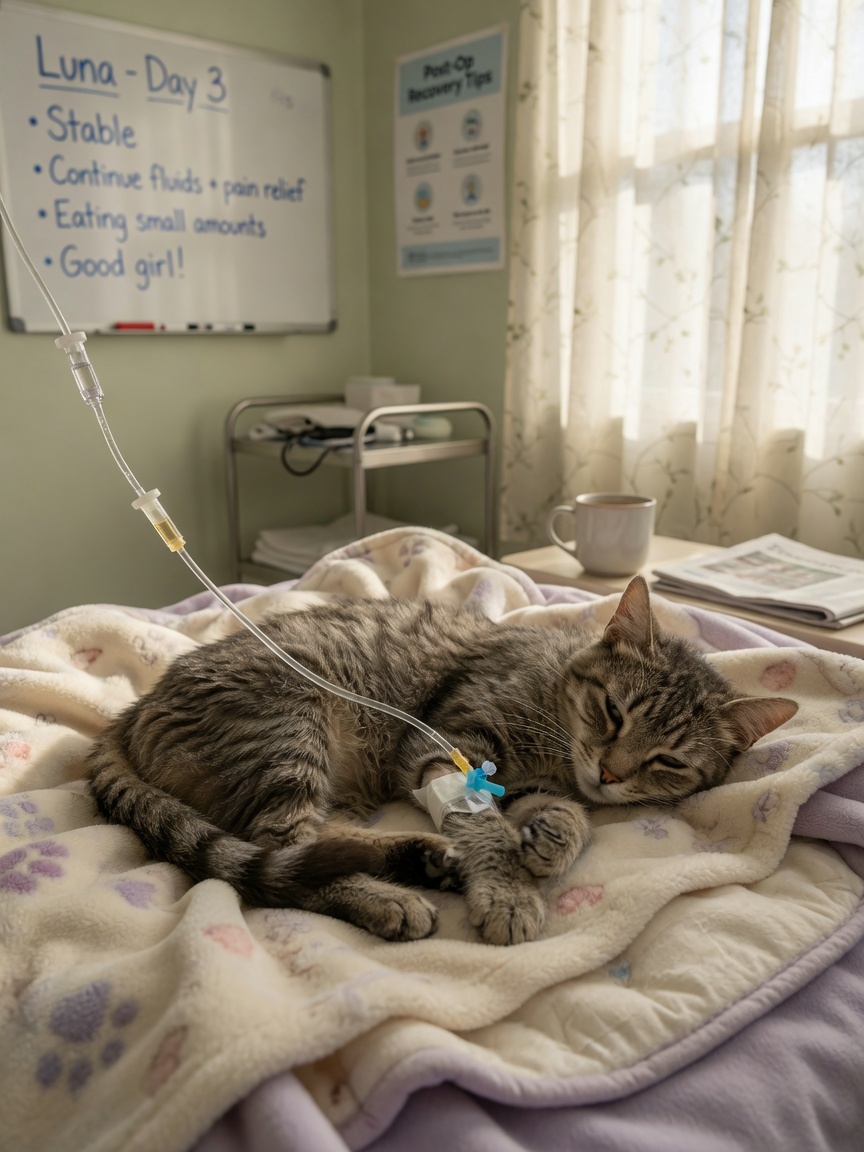
Severely anaemic cats may require blood transfusions to stabilise them while treatment takes effect. Oxygen supplementation, intravenous fluids, nutritional support, and hospitalisation are often necessary in acute cases. Recovery can take several weeks, and repeat blood counts are essential to track progress.
Prevention and Long-Term Outlook
Rigorous flea control is the single most important preventive measure. Using a veterinary-recommended flea product consistently throughout the year — not just in summer — dramatically reduces transmission risk. Keeping cats indoors limits both parasite exposure and the risk of bite-wound transmission from other cats.
The prognosis for cats treated promptly is generally good, though severely anaemic cats carry a guarded outlook. Cats that recover may remain PCR-positive for the organism long-term, and stress or illness can trigger relapse. Regular veterinary monitoring is advisable for any cat with a history of the disease.
Key Takeaways
- Feline infectious anaemia is caused by Mycoplasma haemofelis, a bacterium that destroys red blood cells
- Fleas and bite wounds are the main transmission routes — flea control is essential prevention
- Pale gums and sudden lethargy in a cat require same-day veterinary assessment
- PCR blood testing provides the most accurate diagnosis
- Treatment combines doxycycline, often with corticosteroids, for a minimum of four weeks
- Severely affected cats may need blood transfusions and hospitalisation
- Always work with your vet to tailor treatment to your individual cat's needs