
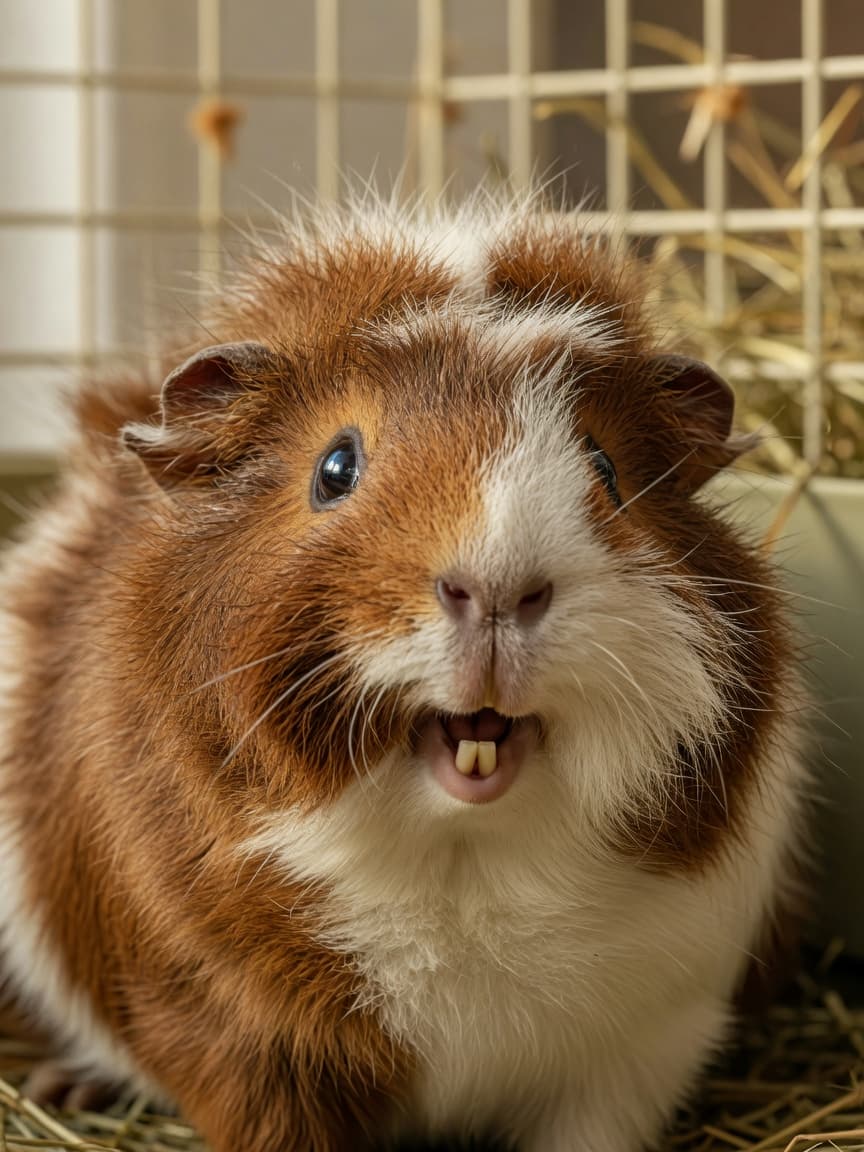
Guinea pigs have a reputation for being gentle, docile pets, but many owners are surprised when their cuddly companion suddenly nips or bites. Understanding why your guinea pig bites is the first step towards building a trusting, bite-free relationship with your furry friend. Whether it's a warning nip or a more aggressive bite, these behaviours are almost always a form of communication rather than malice. In this guide, I'll explore the reasons behind guinea pig biting and provide evidence-based strategies to prevent and manage this behaviour.
Understanding Why Guinea Pigs Bite
Guinea pigs don't bite out of spite or aggression in the way some people imagine. Instead, biting is their primary way of communicating discomfort, fear, or establishing boundaries. Understanding the motivation behind the behaviour is essential for addressing it effectively.
- Fear and stress: When guinea pigs feel threatened or overwhelmed, they may bite as a defence mechanism. This is particularly common in newly adopted guinea pigs or those handled roughly.
- Pain or illness: A guinea pig experiencing pain or sickness may bite when touched in sensitive areas. If biting is a sudden change in behaviour, consult your veterinary surgeon.
- Hunger or scent confusion: Guinea pigs have a keen sense of smell. If your hands smell of food, your pet may accidentally nip thinking your fingers are snacks.
- Territorial behaviour: Both male and female guinea pigs can become protective of their cage space, especially during breeding season or when overcrowded.
- Poor socialisation: Guinea pigs raised with minimal human contact may not recognise gentle handling as safe, leading to defensive biting.
Recognising Warning Signs Before a Bite
Guinea pigs usually give clear signals before resorting to biting. Learning to read these signs allows you to remove your hand before a bite occurs.
- Teeth chattering or grinding (teeth gnashing)
- Raised fur or puffed-up appearance
- Backing away or attempting to escape
- High-pitched squeaking or loud vocalisation
- Quick lunging movements towards your hand
- Freezing in place when approached
Building Trust and Preventing Bites
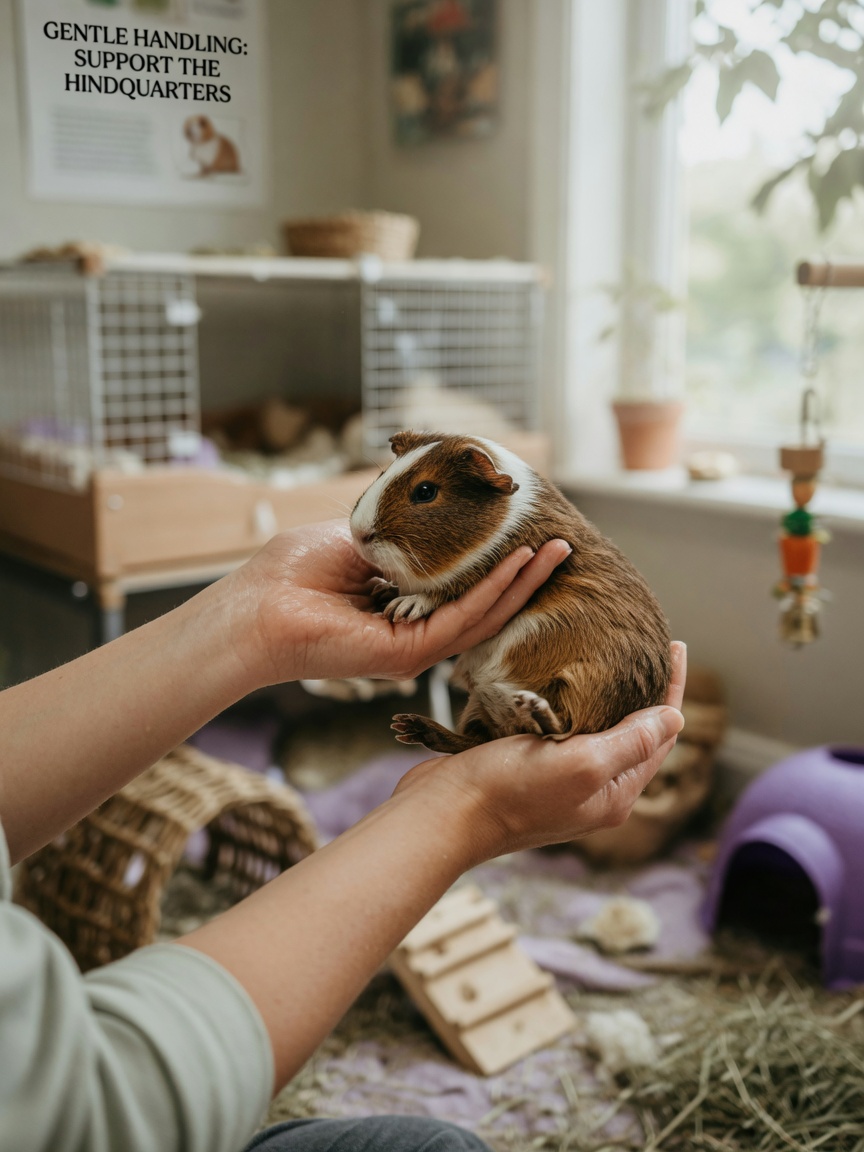
Prevention is always better than cure when it comes to guinea pig bites. By creating a calm, predictable environment and handling your pet correctly, you can significantly reduce biting behaviour.
- Wash your hands: Always wash your hands before handling your guinea pig to remove food scents that might trigger investigative biting.
- Move slowly and calmly: Quick, jerky movements startle guinea pigs. Approach your pet with deliberate, gentle motions and speak in soft, reassuring tones.
- Respect their space: Handle your guinea pig during their active hours (usually early morning and late afternoon). Allow them quiet time in their cage during rest periods.
- Use proper handling techniques: Always support a guinea pig's hindquarters and never grab them from above, which mimics predatory behaviour. Scoop them from beneath instead.
- Socialise from an early age: Young guinea pigs handled regularly by multiple people develop better tolerance for human contact.
- Provide environmental enrichment: Bored guinea pigs are more likely to display behavioural issues. Ensure adequate space, hideaways, tunnels, and toys.
What to Do If Your Guinea Pig Bites
If a bite does occur, remain calm and avoid overreacting. A sudden yell or jerky movement can reinforce the behaviour or increase fear. Instead, gently place your guinea pig back in their cage and give them space. Wash the wound with soap and warm water. Most guinea pig bites are superficial, but seek medical advice if the bite is deep or shows signs of infection.
When to Seek Professional Help
If biting behaviour is persistent, aggressive, or accompanied by other concerning signs (lethargy, loss of appetite, aggression towards other guinea pigs), consult your veterinary surgeon. Pain, hormonal imbalances, or serious behavioural issues may require professional assessment.
Key Takeaways
Guinea pig biting is a communication tool, not a sign of a bad pet. By understanding the underlying causes—fear, pain, poor handling, or lack of socialisation—you can address the root issue rather than punishing the symptom. Consistent, gentle handling, environmental enrichment, and respect for your guinea pig's boundaries will build trust and create a harmonious relationship with your beloved companion. Remember, patience and understanding go a long way in preventing and managing this behaviour.