
Two Small Pets, Very Different Lives
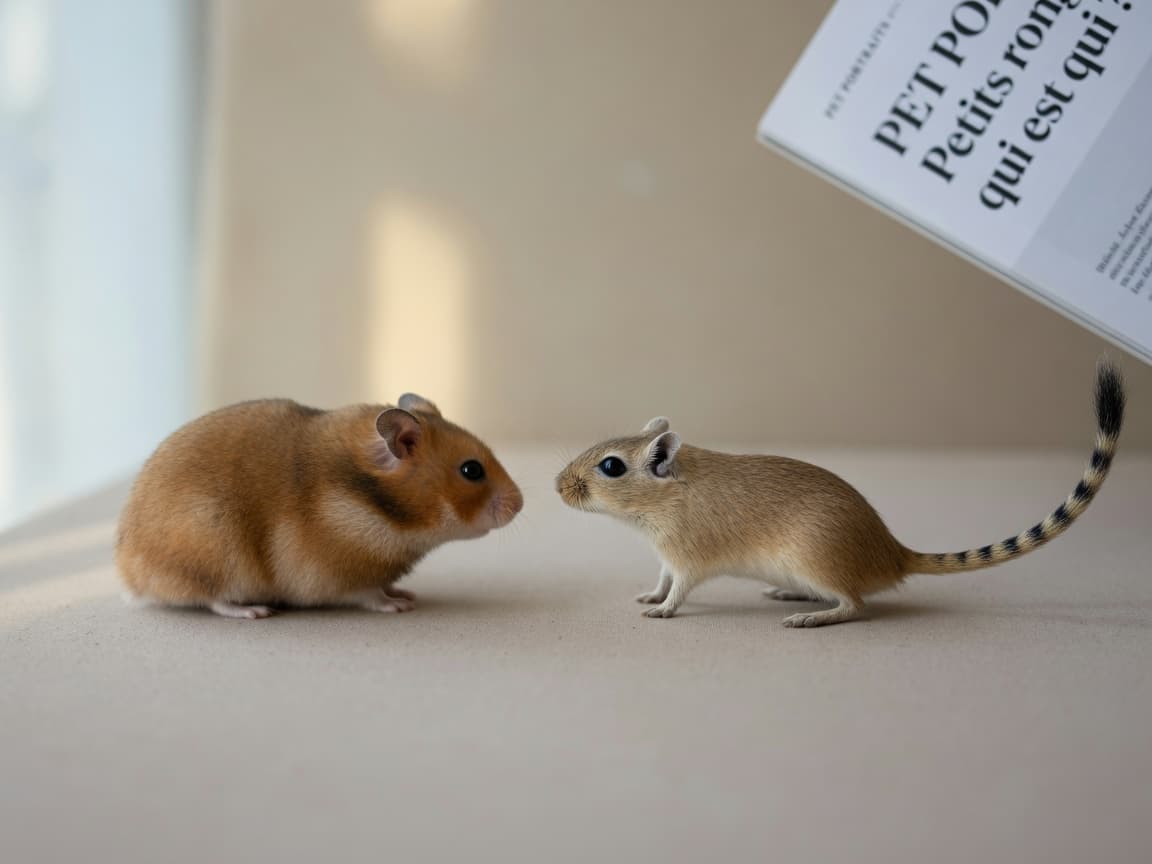
Hamsters and gerbils often get lumped together in the same mental category — small, furry, cage-dwelling rodents that are broadly suitable for children. While there is some truth to that generalisation, the reality is that these two animals have quite different needs, temperaments, and natural behaviours. Choosing between them based purely on appearance or convenience is likely to result in a mismatch between pet and family. Understanding the genuine differences helps ensure a better experience for everyone involved — including the animal.
Origin and Natural Behaviour
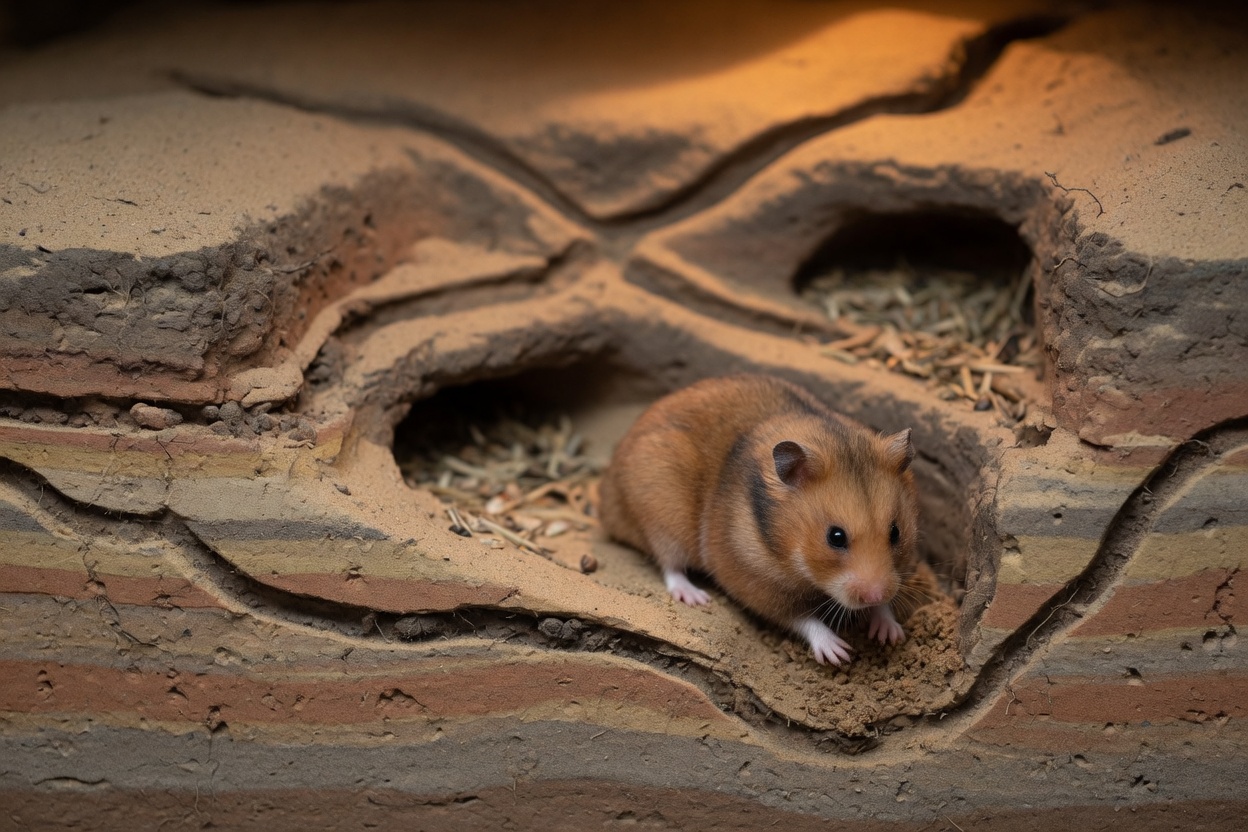
The Syrian hamster — the most commonly kept species — originates from arid regions of the Middle East, where it lives a solitary, nocturnal existence in extensive underground burrow systems. This backstory has enormous practical implications. Syrian hamsters are hardwired to be alone; housing two together almost always results in serious fighting, sometimes fatal. They are also most active during the evening and through the night, meaning a child who expects a daytime playmate will frequently find a deeply unimpressed hamster who would rather be asleep.
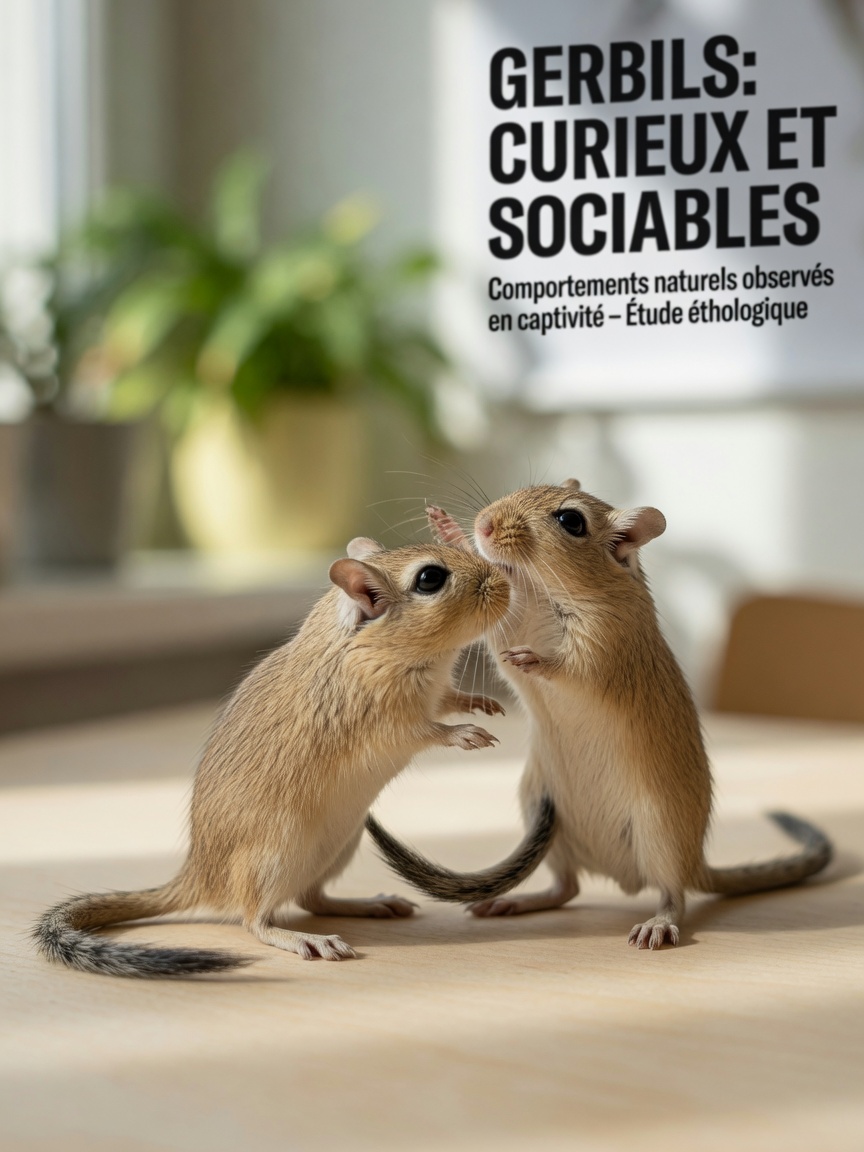
Gerbils, by contrast, are native to the semi-arid regions of Mongolia and parts of Africa. In the wild they live in tight-knit family groups and spend both day and night in intermittent bursts of activity interspersed with rest. This means gerbils are almost always kept in same-sex pairs or small groups, they show more activity during daylight hours, and they are generally more curious and social in their interactions with each other — making them more visually interesting to watch.
Handling and Temperament
Both hamsters and gerbils can become accustomed to handling with patient, consistent effort. However, they start from different baseline temperaments.
Hamsters, particularly Syrian hamsters, tend to be more defensive when first handled, especially if woken during the day. Biting is more common in hamsters than gerbils, and young children who grab or startle a sleeping hamster are at genuine risk of a nip. With time and gentle daily handling from a young age, many hamsters become quite calm and tolerant — but this requires adult supervision and commitment, particularly during the early weeks.
Gerbils are generally more naturally inquisitive and less prone to biting. They tend to explore rather than hide when placed in a new environment, and their pair or group living means they are less dependent on human interaction for stimulation. On the other hand, gerbils are fast, agile, and can be difficult to catch if they escape during handling sessions — a consideration for families with very young children.
Lifespan Considerations
Hamsters live for roughly 18 months to three years, with Syrian hamsters typically at the lower end of that range. Gerbils live considerably longer — usually between three and five years. For families with children, a longer lifespan can mean a deeper bond and more time to learn responsible pet care. It can also mean that a gerbil outlives a child's interest, which is worth considering honestly before committing.
Housing Requirements
Hamsters require a single-occupancy enclosure (for Syrians; dwarf species can sometimes be kept in pairs but this still carries risk). The minimum recommended enclosure floor space for a Syrian hamster has been revised significantly upward in recent years — a minimum of 100 cm by 50 cm is now widely cited, with many welfare organisations recommending larger. Deep substrate — at least 20 to 30 cm — is important because hamsters are compulsive burrowers and are significantly less stressed when they can exhibit this behaviour naturally.
Gerbils need companionship and can be kept in pairs or groups. They benefit from a gerbilarium — a tank-style enclosure with a wire top section and a deep base for burrowing. Because gerbils are social and active, a larger enclosure accommodates their activity levels better. Multiple hides, tunnels, and digging substrate are all important for their welfare.
Both species should be housed away from direct sunlight, drafts, and sources of loud noise. Hamster wheels should be solid-surfaced and appropriately sized — a 28 cm wheel for Syrian hamsters, which prevents the spinal curvature associated with wheels that are too small.
Diet Comparison
Both animals eat a broadly similar diet of seeds, grains, fresh vegetables, and occasional protein sources, but there are differences in emphasis.
- Hamsters have cheek pouches for storing food and naturally cache provisions; they can overeat protein if given free access, so variety and moderation matter
- Gerbils require slightly less protein overall than hamsters but benefit from seed mixes with varied components
- Both species appreciate small amounts of fresh vegetables; leafy greens, carrot, and cucumber work well for both
- Neither should be given citrus, onion, garlic, rhubarb, or sticky foods that could become lodged in hamster pouches
- Fresh water should be available at all times; bottles are often preferred for hygiene, but bowls can work if kept clean
Cost and Maintenance
The ongoing costs of keeping hamsters and gerbils are broadly similar. Initial setup — enclosure, substrate, wheel, hides, water bottle — is the largest expense. The cost of feeding two gerbils is modestly higher than feeding one hamster, but not significantly so. Veterinary costs, if required, can be substantial for both species; exotic vet consultations tend to be more expensive than for cats and dogs, and owners should factor this into their planning.
Both animals require daily spot-cleaning of their enclosures and a full clean every one to two weeks. Neither is as low-maintenance as popular perception suggests — a welfare-appropriate setup for either species involves real daily engagement, substrate management, and environmental enrichment.
Making the Right Choice
For a family with children old enough to handle animals calmly and with supervision, gerbils often offer more interactive value — they are awake during reasonable hours, entertaining to watch in a group, and generally less prone to biting. For an older child or teenager looking for a more independent, solitary creature to observe and gradually bond with through patient handling, a hamster may be the better fit.
Neither is a starter pet that requires no effort. Both deserve a setup that allows them to express natural behaviours, a diet appropriate to their species, and owners who have researched their needs before bringing them home.