
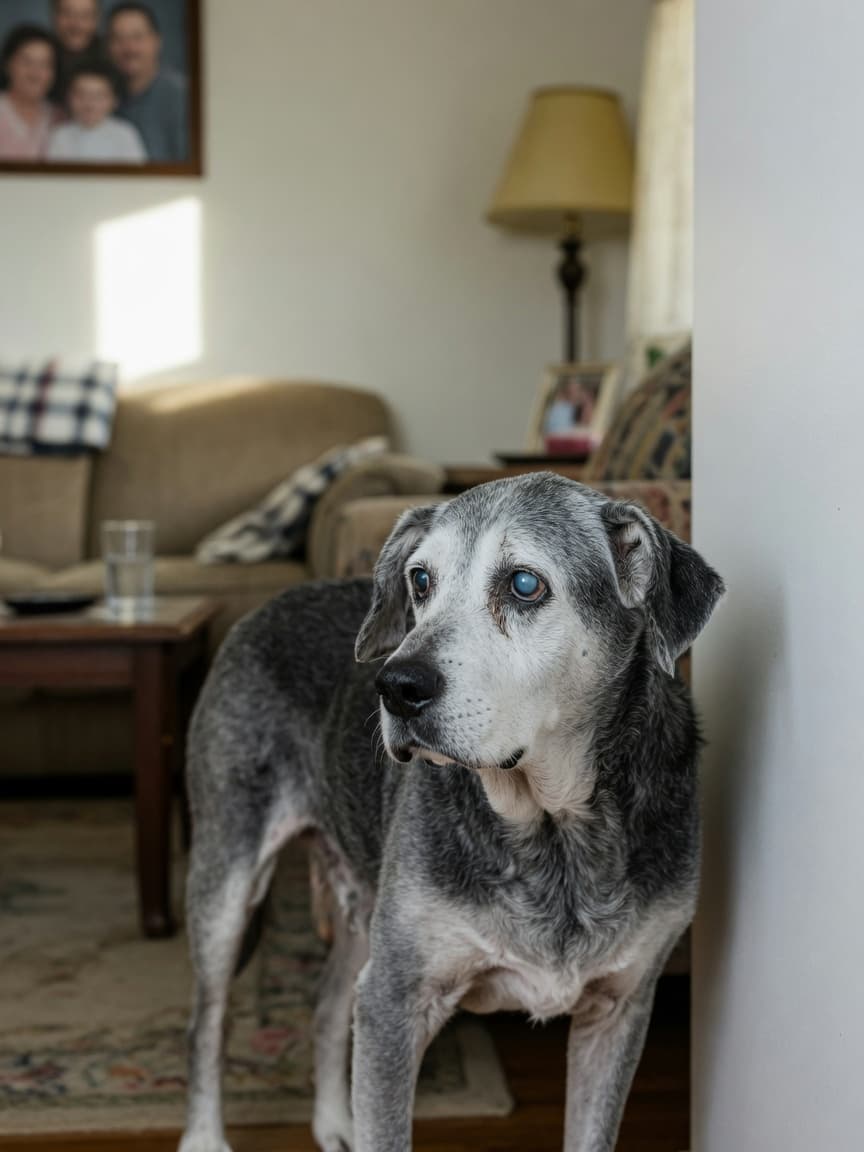
What Is Canine Cognitive Dysfunction Syndrome?
Canine cognitive dysfunction syndrome (CDS), sometimes called canine cognitive dysfunction (CCD) or "doggy dementia," is a neurodegenerative condition caused by the progressive accumulation of amyloid plaques and tau proteins in the ageing brain. Similar in mechanism to Alzheimer's disease in people, CDS is far more common than many owners realise. Studies suggest that around 14–35% of dogs over the age of eight show at least mild signs, rising to over 68% in dogs aged 15 or older. Early recognition is vital because, while there is no cure, intervention can meaningfully slow progression and improve day-to-day wellbeing.
The WSAVA senior pet guidelines emphasise that cognitive health screening should begin as part of every routine senior wellness examination. The guidelines recommend that vets use validated tools to assess cognitive function rather than relying on owner reports alone, since many changes are subtle and easy to attribute to "normal ageing."
Recognising the DISHAA Signs
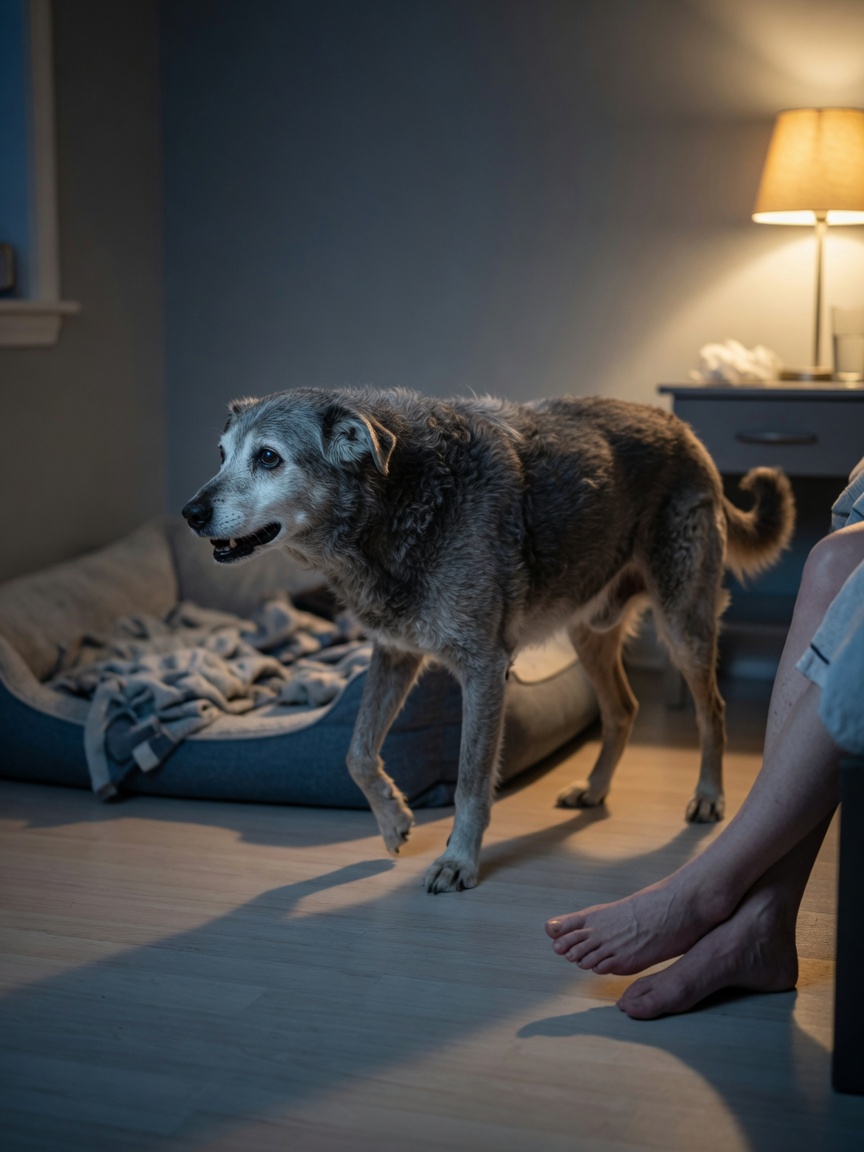
The DISHAA framework is the most widely used clinical tool for identifying and staging CDS in practice. Each letter represents a category of behaviour change.
- Disorientation: Getting stuck in corners, staring blankly at walls, appearing lost in familiar spaces, failing to recognise family members or other household pets.
- Interactions changed: Reduced interest in greeting owners, loss of enthusiasm for play, or conversely increased clinginess and separation anxiety.
- Sleep-wake cycle disruption: Waking and vocalising during the night, sleeping excessively during the day, restless pacing after dark.
- House soiling: Urinating or defecating indoors despite being previously reliable, sometimes in previously avoided areas.
- Activity changes: Decreased exploration, reduced response to toys, or repetitive purposeless behaviours such as circling.
- Anxiety: New or worsening fears, increased vocalisation, generalised agitation, noise phobia.
If your dog displays signs in two or more categories, a veterinary assessment for CDS is strongly recommended. Keep a diary of when behaviours occur and how frequently, as this information will help your vet make an accurate assessment.
The Purina Cognitive Dysfunction Rating Scale
The Purina Cognitive Dysfunction Rating (CDR) scale, also referred to in the literature as the Cognitive Dysfunction Scale (CDS), is a validated owner-completed questionnaire that scores dogs from 0 to 112 across the DISHAA domains. A score above 50 is generally indicative of clinically significant cognitive dysfunction. The scale is valuable not only for diagnosis but for tracking response to treatment over time — a declining score after intervention suggests the chosen therapy is working.
Your vet may ask you to complete the questionnaire before the appointment and again at follow-up visits three to six months later. Photographs or short video clips of concerning behaviours taken at home are extremely helpful, as many dogs appear relatively normal in the clinical setting due to the stimulating environment.
Diagnosis: Ruling Out Other Causes
Before confirming a CDS diagnosis, your vet will want to exclude other medical conditions that can cause similar signs. These include hypothyroidism, brain tumours, vestibular disease, hepatic encephalopathy, hypertension, and pain from conditions such as arthritis. A physical examination, blood tests, urine analysis, and blood pressure measurement are typically performed. In some cases, MRI scanning is recommended to assess brain structure directly, particularly if the onset was sudden or the progression is unusually rapid.
Treatment Options
Selegiline (Selgian / Anipryl)
Selegiline hydrochloride is the only medication currently licensed in the European Union for the treatment of CDS in dogs. It is marketed as Selgian in Europe and Anipryl in North America. Selegiline is a monoamine oxidase B (MAO-B) inhibitor that increases dopamine levels in the brain and reduces oxidative stress. Clinical trials have demonstrated improvements across multiple DISHAA domains, particularly disorientation, sleep disruption and house soiling. The drug is generally well tolerated; the most common side effects are mild gastrointestinal upset and occasional restlessness. It should not be combined with certain other medications, including tricyclic antidepressants and some opioids, so always give your vet a full medication history before starting treatment.
Aktivait Supplement
Aktivait is a veterinary supplement formulated specifically for dogs with cognitive dysfunction. It contains a blend of antioxidants, mitochondrial cofactors and membrane phospholipids — including phosphatidylserine, omega-3 fatty acids, acetyl-L-carnitine, alpha lipoic acid, vitamins C and E, selenium, coenzyme Q10 and N-acetyl cysteine. The combination is designed to reduce neuronal oxidative damage, support cell membrane integrity and improve mitochondrial function. Published case series and clinical experience suggest improvements in activity levels, social interaction and sleep-wake cycles within four to eight weeks of consistent use.
Dietary Support: Purina Pro Plan Bright Mind
Nutrition plays an important role in brain health. Purina Pro Plan Bright Mind Adult 7+ is a commercially available diet specifically formulated to support cognitive function in senior dogs. It contains enhanced botanical oils rich in medium-chain triglycerides (MCTs), which provide an alternative energy source for the glucose-deprived neurones seen in CDS. A published study by Purina researchers found that dogs fed this diet showed measurable improvements in attention, trainability and awareness after 30 days. You can find a range of senior dog foods, including Purina Pro Plan and other science-led senior formulations, on Zooplus, which offers competitive pricing and subscription delivery options convenient for ongoing dietary management.
Environmental Enrichment and Behavioural Support
Alongside medical and nutritional intervention, environmental management makes a significant difference to the quality of life of dogs with CDS.
- Keep furniture, feeding stations and sleeping areas in consistent positions — rearranging the home is disorienting for a cognitively impaired dog.
- Maintain predictable daily routines for feeding, toileting, exercise and sleep.
- Provide gentle mental stimulation through short, positive training sessions and puzzle feeders, adapted to the dog's current ability.
- Use night lights to reduce disorientation after dark and consider a white noise machine to minimise sleep disruption from external sounds.
- Short, frequent leash walks are preferable to longer, more demanding exercise sessions.
- Pheromone diffusers (such as Adaptil) may reduce anxiety-related signs.
When to Seek Veterinary Help
If your senior dog is showing any of the DISHAA signs, do not wait for the next annual check-up. Early intervention provides the best chance of slowing disease progression. Contact your vet promptly if you notice sudden changes, significant worsening over a short period, or if your dog appears to be in distress. The WSAVA senior guidelines recommend six-monthly wellness visits for dogs aged seven and over, providing more frequent opportunities to monitor cognitive health and adjust treatment plans as needed.
Living with a dog with CDS can be emotionally demanding. Connect with support communities, speak openly with your vet about your concerns, and remember that with the right management, many dogs with cognitive dysfunction continue to enjoy a good quality of life for months or even years after diagnosis.