ForPetsHealthcare
Senior Pets

Cognitive Dysfunction in Senior Dogs: Signs and Management

By Julia WrenfieldUpdated August 4, 20262 min read
Evidence-based · Sources checked
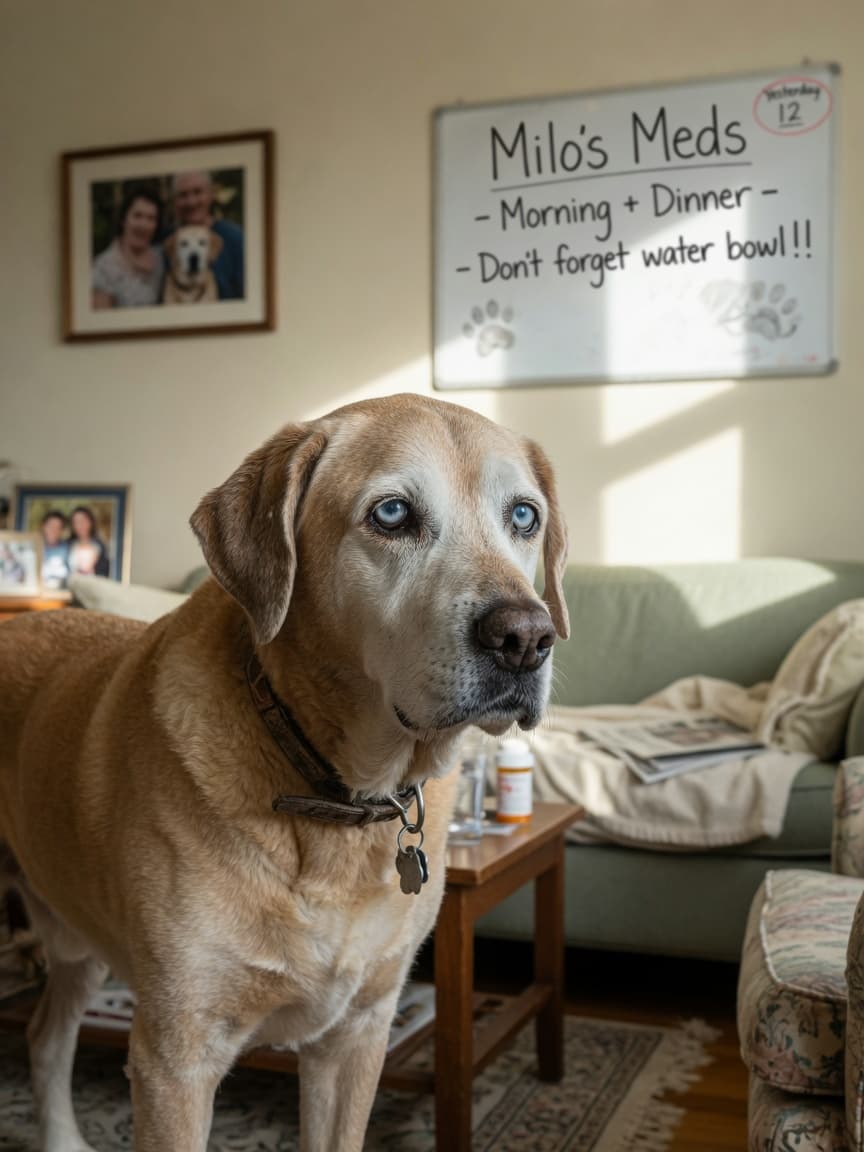
{"en": "Senior gray-muzzled dog looking confused or disoriented, illustrating cognitive dysfunction symptoms in aging dogs", "es": "Perro senior con hocico gris mirando confuso, ilustrando s\u00edntomas de disfunci\u00f3n cognitiva en perros mayores", "fr": "Chien senior au museau grisonnant ayant l'air confus, illustrant les sympt\u00f4mes du dysfonctionnement cognitif canin", "de": "\u00c4lterer Hund mit ergrautem Fang wirkt verwirrt und zeigt Symptome von kognitiver Dysfunktion bei Seniorhunden", "nl": "Oudere hond met grijzende snuit ziet er verward uit, illustreert symptomen van cognitieve disfunctie bij oude honden", "pt": "C\u00e3o s\u00eanior com focinho grisalho parecendo confuso, ilustrando sintomas de disfun\u00e7\u00e3o cognitiva em c\u00e3es idosos", "it": "Cane anziano con muso grigio dall'aspetto confuso, illustra i sintomi della disfunzione cognitiva nei cani senior"}

Canine Cognitive Dysfunction (CCD) is the dog equivalent of Alzheimer's disease. It is common, under-recognised, and manageable.

How Common Is CCD?

Studies show 14-35% of dogs over 8 years have signs of CCD. By age 15, up to 68% of dogs show signs. Yet it is massively under-diagnosed.

Signs — DISHA
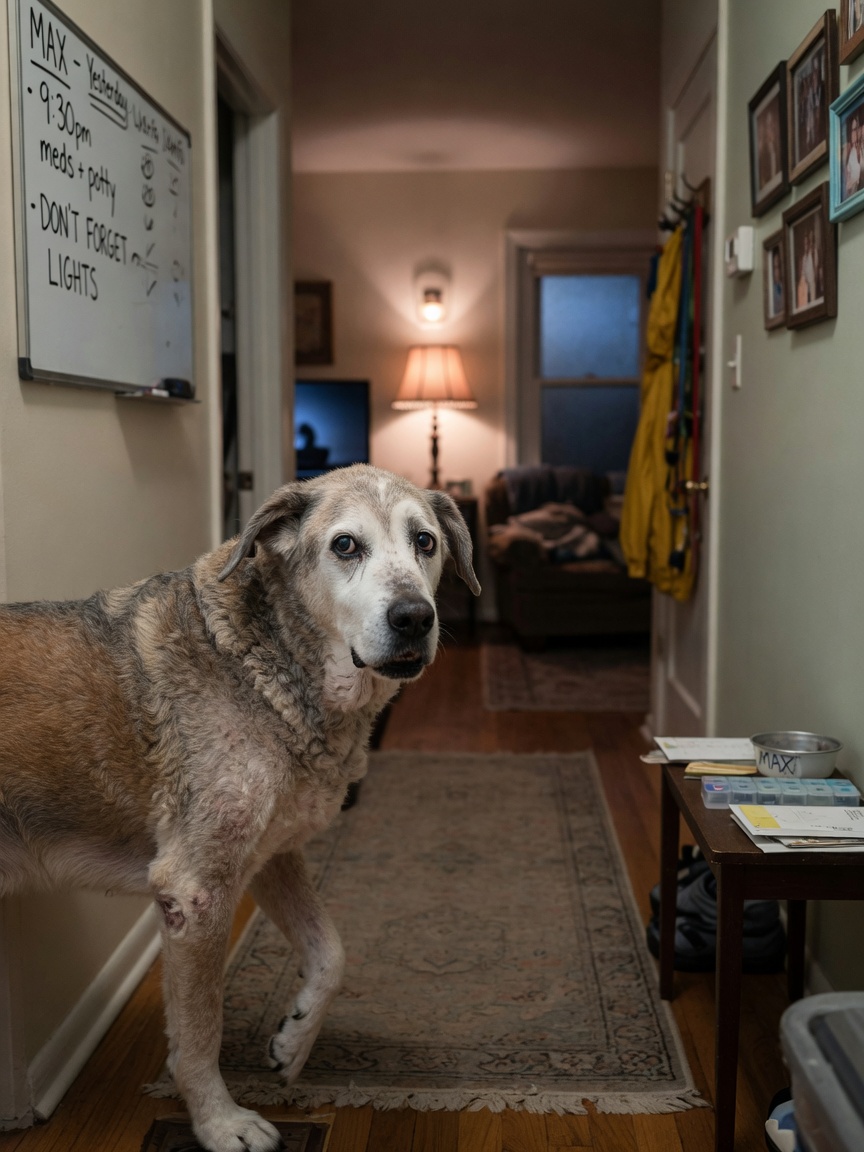
Elderly dog displaying signs of disorientation and confusion in a familiar home environment
  • Disorientation: getting lost in familiar places, staring at walls
  • Interactions changed: reduced greeting, seeking less attention
  • Sleep-wake cycle changed: waking at night, sleeping more during the day
  • House soiling despite being trained
  • Activity changes: reduced play, less interest in surroundings

Management
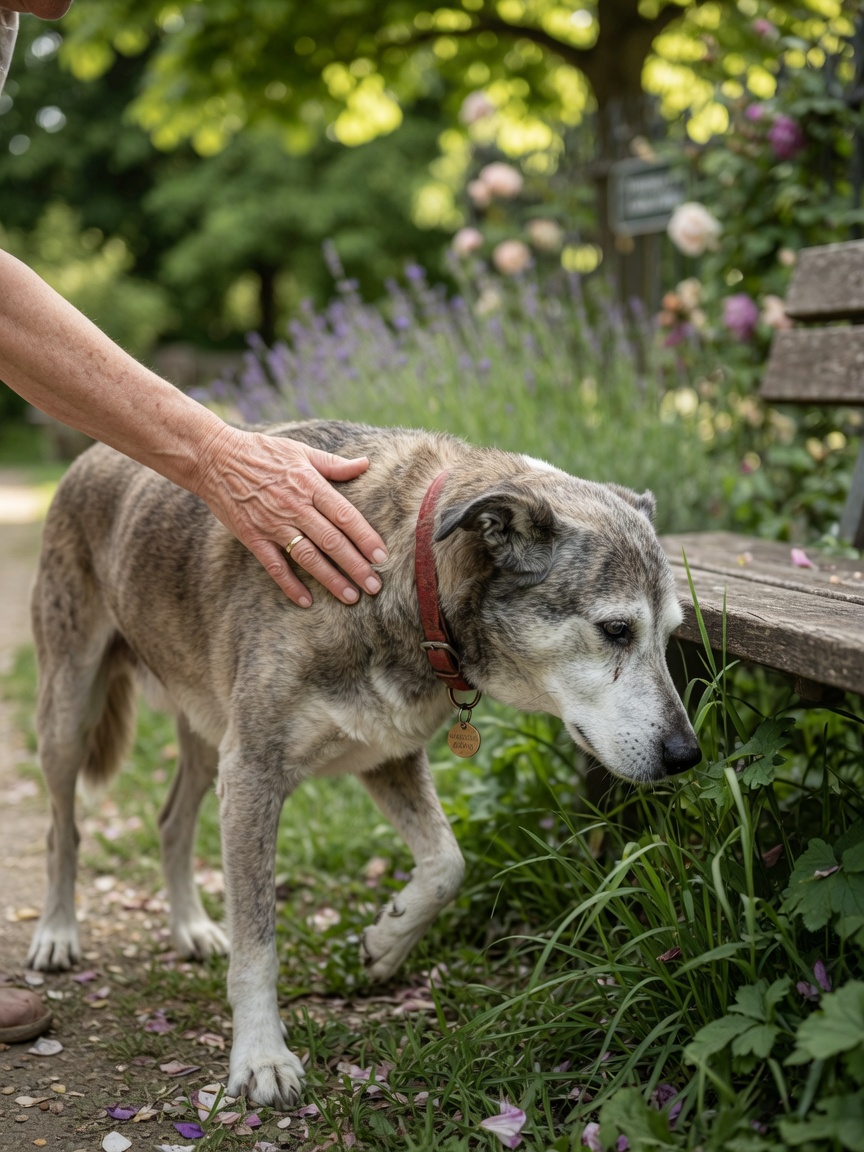
Owner and elderly senior dog on a gentle sniff walk together, demonstrating mental enrichment and bonding
  • Aktivait, Senilife, Zylkene: supplements with some evidence for cognitive support
  • Selgeline (Anipryl): licensed medication for CCD in some countries
  • Mental enrichment: sniff walks, gentle puzzle feeders, new experiences
  • Physical exercise: maintains brain health and sleep cycles
  • Consistent routine: reduces confusion and anxiety
#senior dog cognitive dysfunction#dog health#dog nutrition#forpetshealthcare

Sources & further reading

This article is based on peer-reviewed veterinary research and reputable animal-health sources. Explore the underlying science in our Research Library.

Related articles

How Much Exercise Does a Dog Need? Puppies, Adults, & Seniors

Exercise is one of the most important pillars of canine health, yet many dog owners struggle to find the right balance for their furry companions. Whether you're raising an energetic puppy, managing an adult dog's fitness, or caring for a senior who's slowing down, understanding your dog's specific …

Read more →

When Is a Dog Considered a Senior?

If you've noticed your faithful companion moving a bit more slowly or spending extra time napping, you might be wondering whether your dog has entered their senior years. Understanding when your dog transitions into old age isn't just about numbers—it's about recognising the physical and behavioural…

Read more →

How to Keep Your Senior Cat Active

As our feline companions enter their golden years, many pet owners notice a gradual decline in activity levels. However, keeping your senior cat mentally and physically stimulated is crucial for maintaining muscle tone, cognitive function, and overall quality of life. The good news? With a few thoug…

Read more →

How to Help Your Aging Cat

Watching your beloved feline companion enter their senior years can feel bittersweet. Cats are living longer than ever before, with many reaching well into their late teens or even early twenties. However, this extended lifespan means we need to adapt our care approach to support their changing heal…

Read more →

When Is a Cat Considered a Senior? What To Expect When Your Cat's Aging

Our feline companions seem to age gracefully, but there comes a time when we notice our once-energetic cat moving a bit slower, sleeping more, or becoming pickier about food. Understanding when your cat enters their senior years and what changes to expect is crucial for providing the best possible c…

Read more →

How To Keep Your Senior Cat Healthy

As our feline companions age, their healthcare needs shift significantly. Senior cats—typically those aged 10 years and older—require a more tailored approach to maintain quality of life and manage age-related conditions. With proper care, attention, and preventative measures, you can help your seni…

Read more →
Disclaimer:This article is for informational purposes only and does not constitute veterinary advice. Always consult a qualified veterinarian for your pet's health concerns.

Free newsletter

Pet health tips, straight to your inbox

Weekly science-backed advice for dog & cat owners. No spam, unsubscribe anytime.