
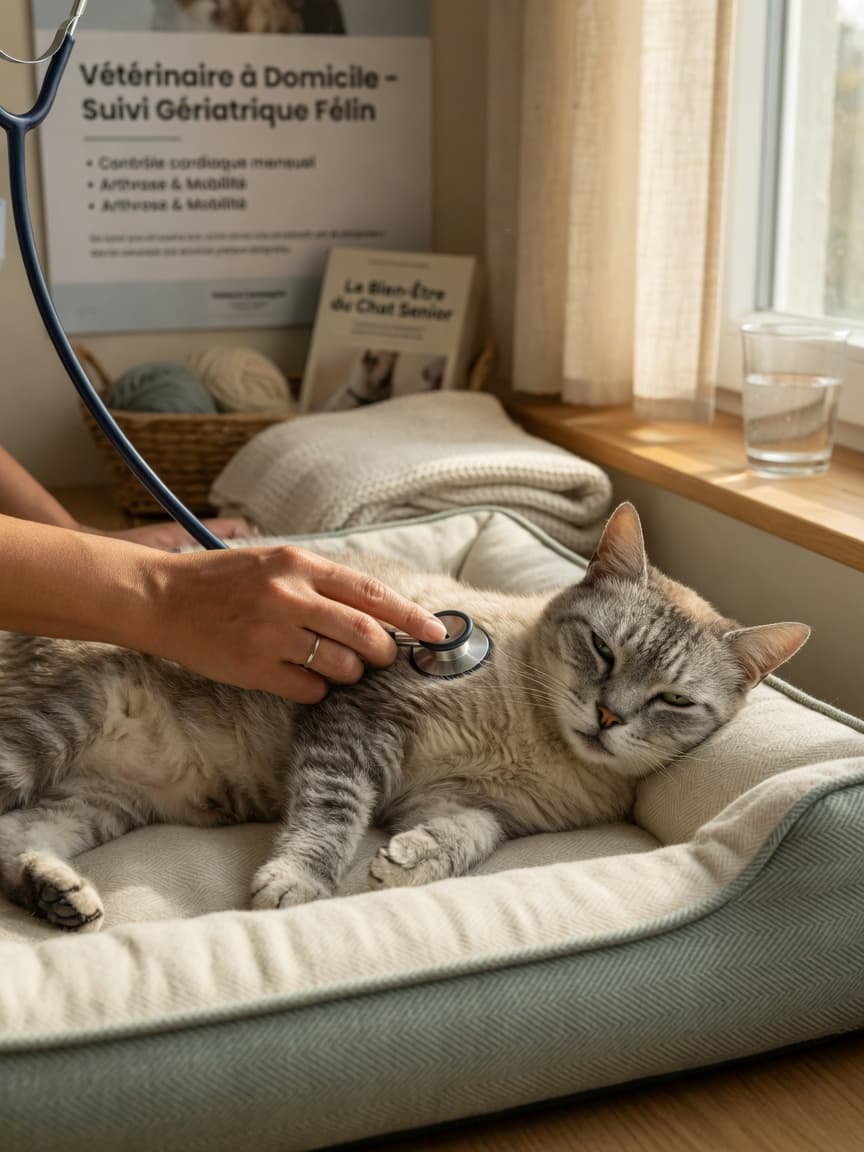
When Is a Cat Considered Senior?
The World Small Animal Veterinary Association (WSAVA) uses a clear classification for ageing cats. Cats aged seven to ten years are considered mature, those between eleven and fourteen years are senior, and cats aged fifteen and over are classified as geriatric. This framework is helpful because the health risks and care needs differ meaningfully between these groups.
Unlike dogs, the rate of ageing in cats does not vary dramatically by breed or size. However, indoor cats tend to live significantly longer than outdoor cats, partly due to reduced exposure to trauma, infectious disease, and predators. It is not uncommon for well-cared-for indoor cats to reach their late teens or even early twenties.
WSAVA Senior Health Guidelines: Biannual Vet Checks from Age Seven
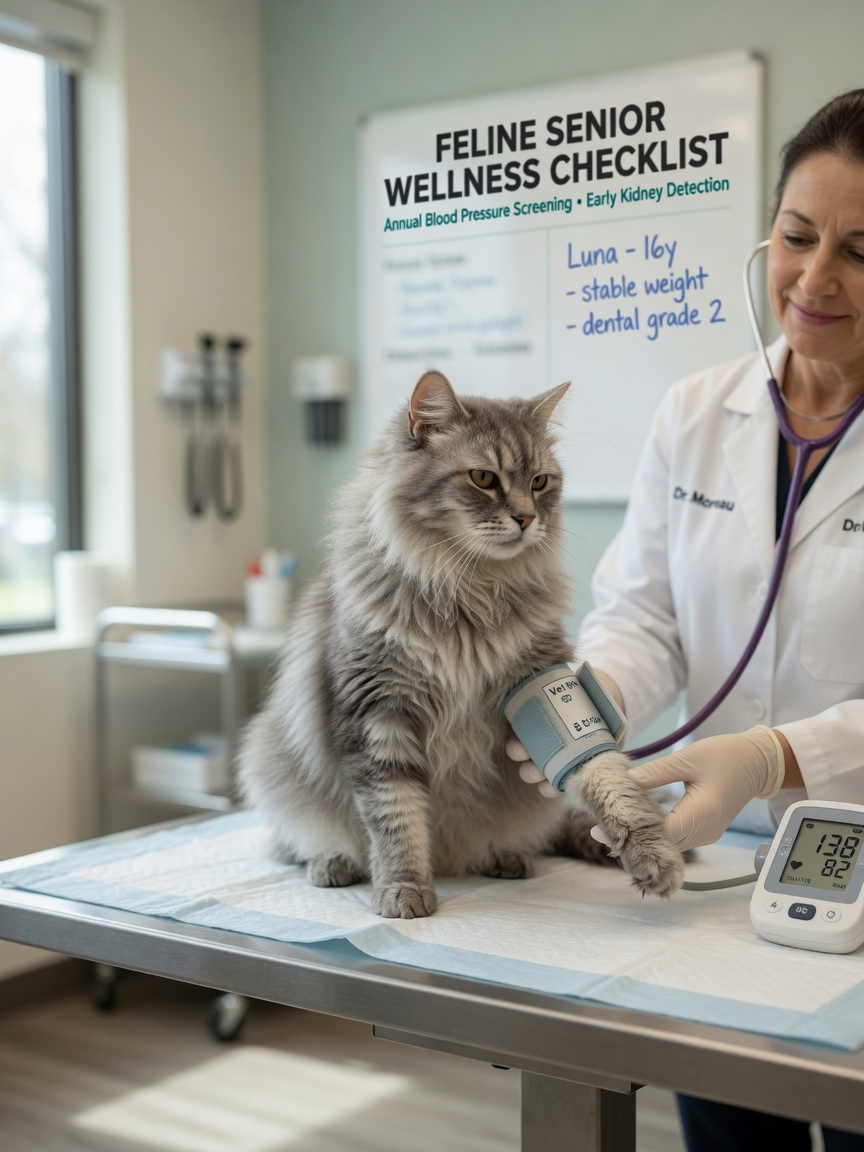
The WSAVA recommends that cats receive veterinary health assessments at least twice a year from the age of seven. This is because age-related conditions in cats can develop silently over months or years, with few visible signs until a disease is well established. Routine blood tests, urine analysis, blood pressure measurement, and thyroid function checks are all part of a thorough senior cat health screen.
Many owners only bring their cat to the vet when something is obviously wrong, but this approach misses the window in which early intervention is most effective. A biannual schedule gives your vet the opportunity to spot trends in weight, organ function, and behaviour before they become crises.
Hyperthyroidism: The Most Common Hormonal Condition in Older Cats
Hyperthyroidism is one of the most frequently diagnosed conditions in cats over ten years of age. It occurs when the thyroid gland produces excessive thyroid hormone, accelerating the cat's metabolism. Common signs include weight loss despite a good or even increased appetite, increased thirst and urination, restlessness, vocalisation, and a poor coat condition.
The good news is that hyperthyroidism is highly treatable. Options include daily medication, a prescription iodine-restricted diet, radioactive iodine therapy, and surgery. Your vet will help identify the most appropriate approach based on your cat's individual circumstances. Left untreated, hyperthyroidism puts significant strain on the heart and kidneys, so early diagnosis is important.
Chronic Kidney Disease: The Leading Cause of Death in Older Cats
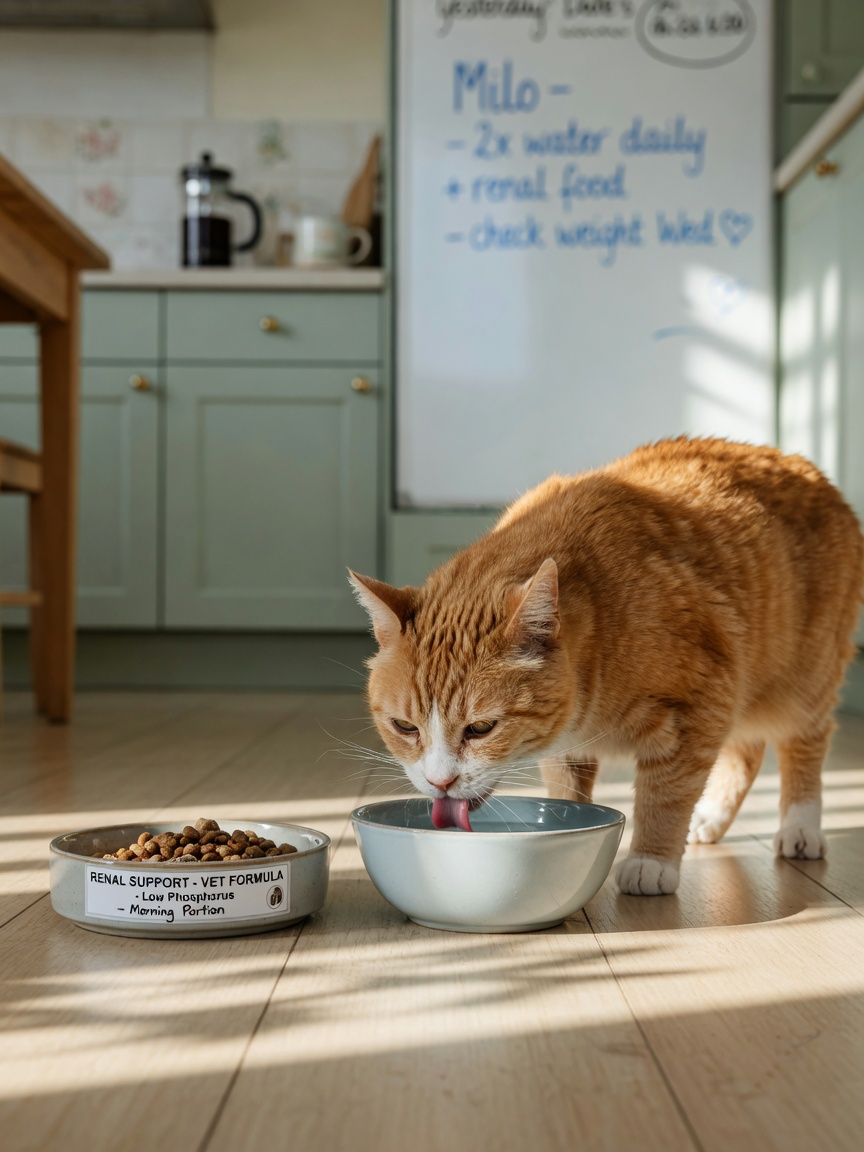
Chronic kidney disease (CKD) is the most common cause of death in older cats. It involves the progressive loss of kidney function and is thought to affect around one third of cats over twelve years of age. Because cats are adapted to concentrate their urine efficiently, early signs of kidney decline can be subtle: very slightly increased thirst, occasional vomiting, or mild weight loss.
Regular blood and urine testing is the only reliable way to detect CKD before it becomes severe. Once diagnosed, the condition can be managed through prescription renal diets, fluid therapy, medications to control blood pressure and phosphate levels, and close monitoring. Cats with well-managed CKD can live comfortably for months to years after diagnosis.
Other Common Conditions in Senior Cats
Dental Disease
Dental disease is almost universal in cats over five years of age and worsens with time. Painful gum disease and tooth resorption (a condition unique to cats in which the tooth structure is destroyed from within) can make eating extremely uncomfortable. Because cats often continue eating despite significant oral pain, dental disease is frequently underestimated. Regular dental examinations and professional cleaning under anaesthesia when required are essential parts of senior cat care.
Hypertension
High blood pressure is common in older cats, often secondary to kidney disease or hyperthyroidism. It can cause sudden and irreversible blindness if blood vessels in the retina haemorrhage, as well as further damage to the kidneys, heart, and brain. Blood pressure measurement should be part of every senior cat's routine health check.
Diabetes
Feline diabetes typically causes increased thirst, increased urination, weight loss, and a distinctive plantigrade stance (walking on the hocks rather than the toes). It is more common in overweight male cats and is managed through dietary change and, in most cases, twice-daily insulin injections. Some cats achieve remission with early, aggressive treatment.
Cognitive Dysfunction
Feline cognitive dysfunction (FCD) is the cat equivalent of dementia and is more common than many owners realise. Signs include yowling at night, disorientation, forgetting the location of the litter tray, changes in sleep patterns, and reduced interaction with family members. Environmental enrichment, dietary supplements, and medications prescribed by your vet can help manage the condition.
Dietary Needs of Older Cats
Senior cats often benefit from a high-quality, easily digestible protein source to help maintain muscle mass, which naturally declines with age (a condition known as sarcopaenia). Cats with specific health conditions such as CKD or diabetes will require prescription diets tailored to their needs. Senior cats should always have access to fresh water, and wet food can be a useful way to increase fluid intake in cats who drink little.
Zooplus offers a wide range of senior cat foods and comfort products, from wet and dry senior formulations to warming beds and low-sided litter trays that are easier for stiff cats to access.
Comfort and Accessibility for Ageing Cats
Older cats, particularly those with arthritis or muscle weakness, may find it difficult to access litter trays with high sides, jump onto previously favourite surfaces, or maintain their grooming routine in hard-to-reach areas. Low-entry litter trays, ramps or steps to reach beds and window perches, and warm, well-padded sleeping spots all make a meaningful difference to an older cat's daily comfort.
Helping your cat with gentle grooming of areas they can no longer reach easily — particularly around the base of the tail and hindquarters — prevents matting and skin problems, and also provides an opportunity for you to check for any lumps, sores, or changes in body condition.
Monitoring Weight and Appetite
Weight change in either direction is a significant indicator in older cats. Unintended weight loss may point to hyperthyroidism, CKD, diabetes, dental pain, or cancer. Weight gain in a previously stable cat may suggest hypothyroidism or reduced activity. Weigh your cat monthly at home if possible, or ask your vet to do so during routine visits. Keep a simple record of the results over time.
Any sudden or persistent change in appetite — whether increased, decreased, or selective — warrants prompt veterinary attention. Cats should never go without food for more than 24 to 48 hours, as this can trigger a serious liver condition called hepatic lipidosis.
Quality of Life in Later Life
Senior cats remain deeply rewarding companions when their needs are met attentively. Gentle play, quiet companionship, comfortable warmth, and a calm, predictable routine all contribute to a high quality of life. Discuss your cat's quality of life with your vet openly, using structured tools when helpful. A senior cat who is comfortable, eating well, and engaged with their environment is a cat who is thriving.