
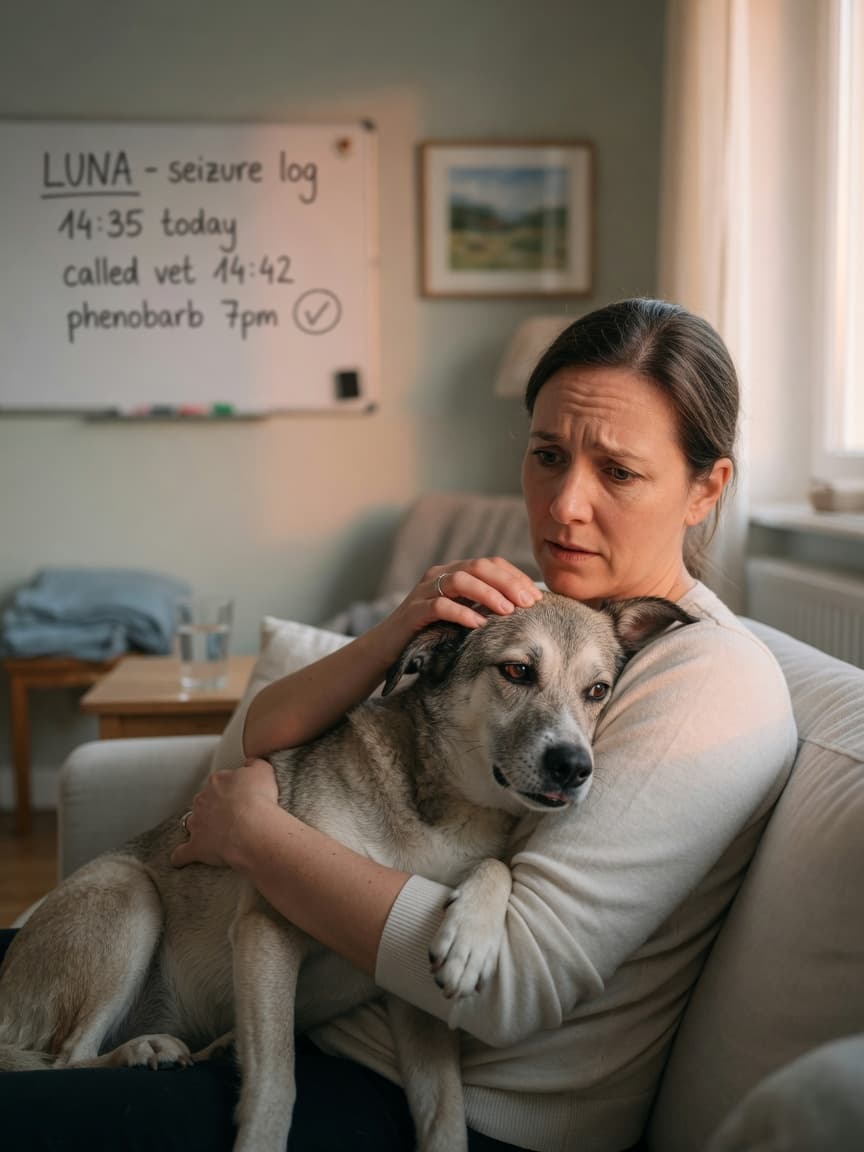
What Is Epilepsy in Dogs?
Epilepsy is one of the most common neurological conditions diagnosed in dogs, affecting an estimated one in every 130 dogs in the UK. It is characterised by recurrent seizures caused by abnormal electrical activity in the brain. While watching your dog have a seizure is deeply distressing, understanding what is happening and knowing how to respond can make a significant difference to both your dog's safety and your own peace of mind.
There are two broad categories. Idiopathic epilepsy has no identifiable underlying cause and is strongly linked to genetics, with breeds such as Border Collies, Labrador Retrievers, Belgian Shepherds, and Beagles at higher risk. Structural epilepsy, by contrast, results from an identifiable brain lesion, tumour, or inflammatory condition. A thorough veterinary workup is essential to determine which type your dog has, as treatment and prognosis differ considerably.
Recognising a Seizure
Seizures in dogs typically unfold in three phases. The pre-ictal phase, or aura, can occur minutes to hours before a seizure and may present as restlessness, clinginess, or unusual behaviour. The ictal phase is the seizure itself and commonly involves loss of consciousness, paddling limbs, muscle rigidity, jaw chomping, drooling, and involuntary urination or defecation. The post-ictal phase follows the seizure and can last from minutes to hours, with dogs appearing confused, temporarily blind, or unusually hungry and thirsty.
Seizures lasting longer than five minutes or multiple seizures occurring within a 24-hour period constitute a veterinary emergency known as cluster seizures or status epilepticus. These situations carry a real risk of brain damage and require immediate intervention.
What to Do During a Seizure

Knowing how to respond calmly is one of the most valuable things you can do as an owner. Follow these steps:
- Stay calm and stay nearby — your dog needs you present but is not aware of you during the seizure itself.
- Clear the area of furniture or hazards that could cause injury. Do not move your dog unless they are in immediate danger.
- Do not put your hands near your dog's mouth. Contrary to old advice, dogs cannot swallow their tongues, and you risk a serious bite.
- Time the seizure using your phone — this information is invaluable for your vet.
- Dim the lights and reduce noise where possible, as stimulation may prolong the event.
- If you have been prescribed rectal diazepam or buccal midazolam for emergencies, administer it according to your vet's instructions.
- After the seizure, keep your dog in a quiet, safe space and monitor them closely during recovery.
Diagnosis and Veterinary Testing
Your vet will begin with a detailed history of the seizure events, including frequency, duration, and any patterns you have noticed. Blood and urine tests help rule out metabolic causes such as low blood sugar, liver disease, or kidney dysfunction. Advanced imaging — MRI in particular — combined with cerebrospinal fluid analysis is often recommended to assess brain structure and rule out inflammatory or structural causes.
Idiopathic epilepsy is effectively a diagnosis of exclusion, meaning all other causes must be ruled out before the label is applied. This process can feel lengthy, but it is necessary to ensure your dog receives the correct treatment.
Long-Term Management and Medication
Not every dog with epilepsy requires daily medication. Treatment is generally recommended when seizures occur more frequently than once a month, occur in clusters, or are particularly severe. The most commonly used antiepileptic drugs in the UK include phenobarbital, potassium bromide, and imepitoin, often used alone or in combination.
Regular blood monitoring is essential when your dog is on long-term medication, as some drugs can affect liver function over time. Never adjust doses or stop medication abruptly without veterinary guidance, as this can trigger dangerous rebound seizures.
Some owners find complementary support helpful alongside conventional treatment. There is emerging interest in the role of medium-chain triglyceride (MCT) oils and specific dietary approaches in reducing seizure frequency, though these should always be discussed with your vet before being introduced.
Living Well With an Epileptic Dog
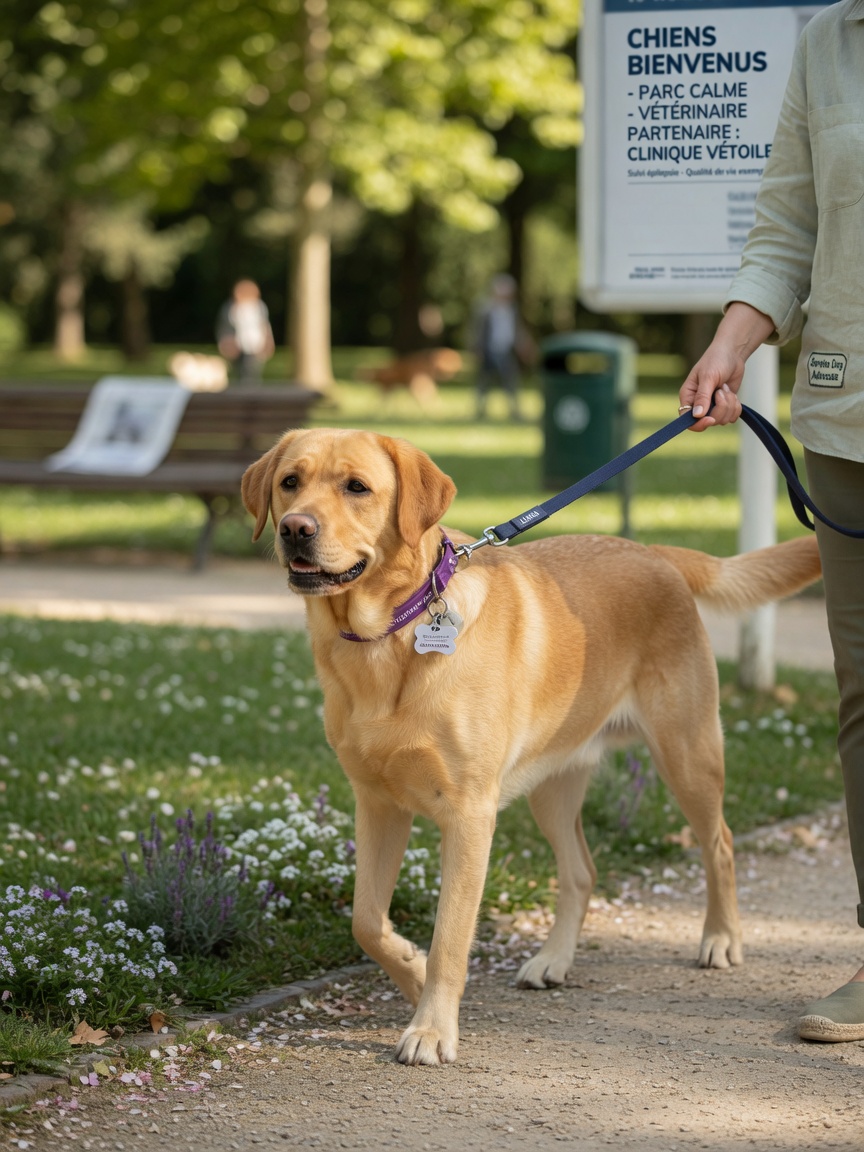
Many dogs with well-controlled epilepsy live full, happy lives. Keeping a detailed seizure diary — noting dates, times, duration, and any possible triggers — helps your vet fine-tune the management plan over time. Common reported triggers include stress, disrupted sleep, illness, and hormonal changes, though triggers vary considerably between individual dogs.
Ensure your dog is supervised near water, as a seizure occurring in a pond or bath can be life-threatening. Inform anyone who regularly cares for your dog, including dog walkers and kennels, about the condition and what to do if a seizure occurs.
Epilepsy demands ongoing partnership between you and your veterinary team. With the right support, most epileptic dogs can be kept comfortable and their seizures managed to a level that allows a good quality of life.