
Raw Food Diet for Dogs (BARF): Benefits, Risks & How to Start Safely
Raw meat diets carry a documented risk of Salmonella, E. coli, Listeria, and Campylobacter contamination — posing danger to both dogs and the humans who handle the food. The American Veterinary Medical Association (AVMA) officially discourages feeding raw or undercooked animal-source proteins to pets due to risks to animal and public health. Always consult your veterinarian before switching your dog to a raw diet, especially if you have immunocompromised individuals or young children in your household.
The raw food movement for dogs — often called BARF (Biologically Appropriate Raw Food or Bones and Raw Food) — has gained enormous popularity over the past two decades. Proponents argue it mirrors what dogs' wild ancestors ate and delivers benefits ranging from shinier coats to improved digestion. Critics, including many veterinary organizations, point to serious microbiological hazards and nutritional imbalances. So where does the truth lie? This article unpacks the evidence on both sides so you can make an informed decision.
What Is a Raw Dog Food Diet?
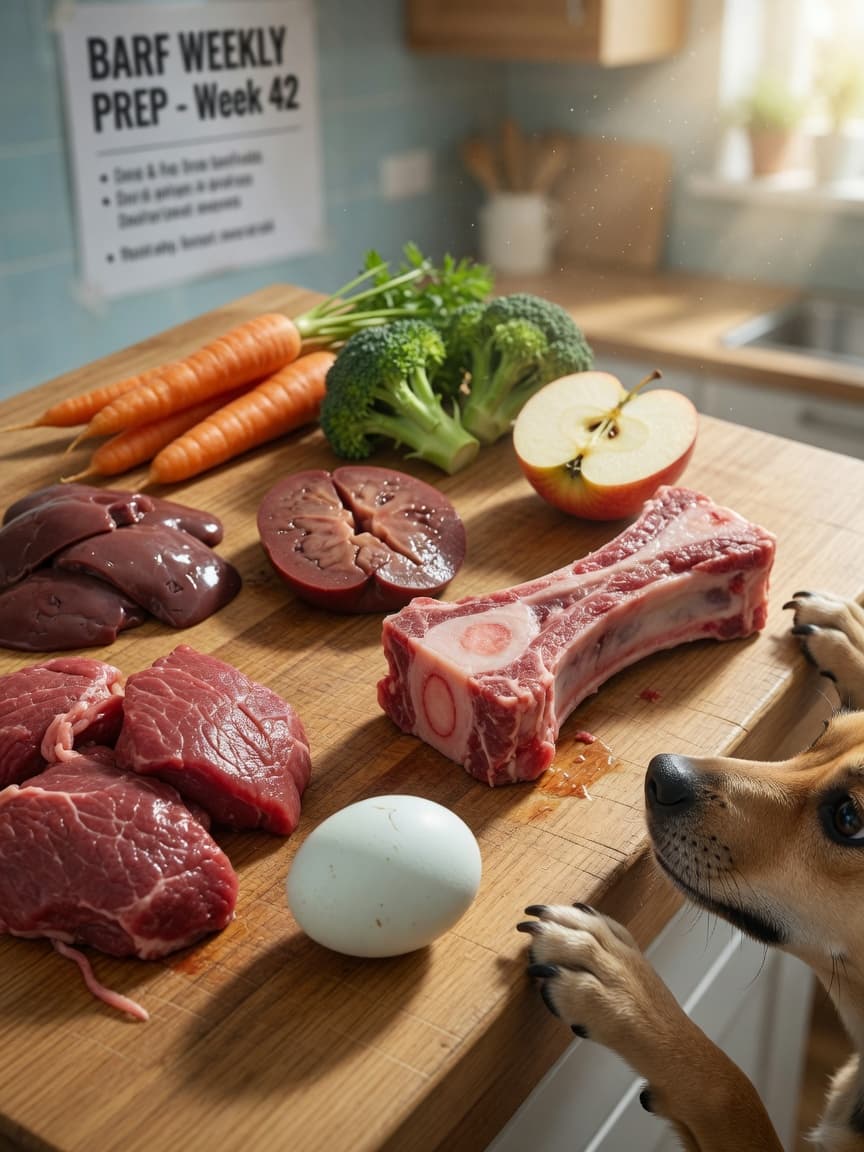
A BARF-style raw diet typically includes raw muscle meat, raw meaty bones, organ meats (liver, kidney), raw eggs, vegetables, fruits, and sometimes dairy such as plain yogurt. Commercial frozen raw diets and freeze-dried raw products are also available and offer greater convenience than home-prepared meals. The core premise is that dogs are physiologically adapted to digest raw animal protein and benefit from food that has not been altered by cooking or processing.
Domestic dogs (Canis lupus familiaris) do share much of their digestive physiology with wolves, including a short, highly acidic gastrointestinal tract suited to processing meat. However, thousands of years of co-evolution with humans have also introduced genetic adaptations — notably in starch digestion — that set dogs apart from strict carnivores. This context matters when evaluating claims about raw diets.
Claimed Benefits: What Advocates Say
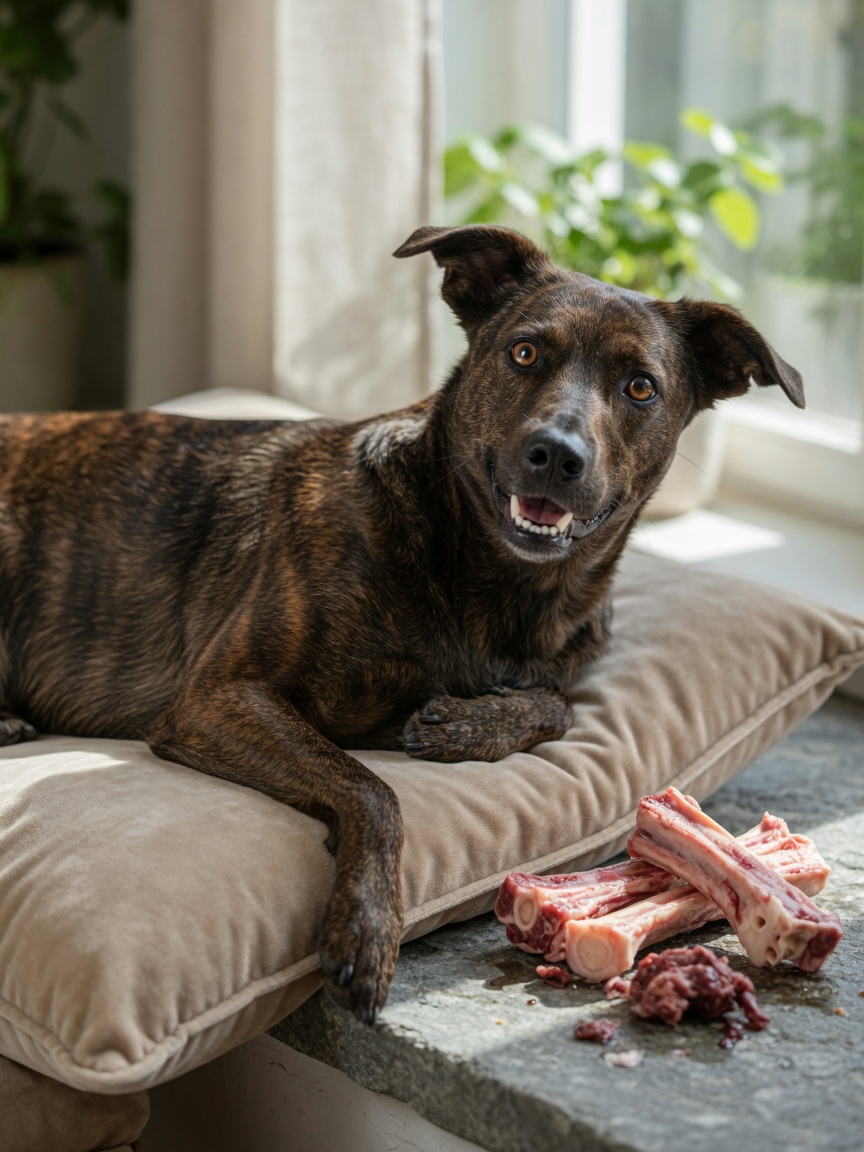
Raw diet proponents commonly report the following improvements in their dogs:
- Improved coat quality and reduced shedding — attributed to higher levels of intact omega fatty acids in uncooked meat.
- Firmer, smaller stools — less filler and higher digestibility means less waste.
- Increased energy and lean muscle mass — linked to higher protein bioavailability.
- Better dental hygiene — chewing raw meaty bones may mechanically reduce plaque.
- Reduced allergy symptoms — some owners report fewer skin or gastrointestinal reactions when switching away from heavily processed kibble.
It is worth noting that the bulk of evidence for these claims is observational and owner-reported. Controlled clinical trials comparing raw-fed to kibble-fed dogs over meaningful time spans are limited, and many positive reports could be confounded by other dietary or management changes made simultaneously.
The Science: What Studies Actually Show
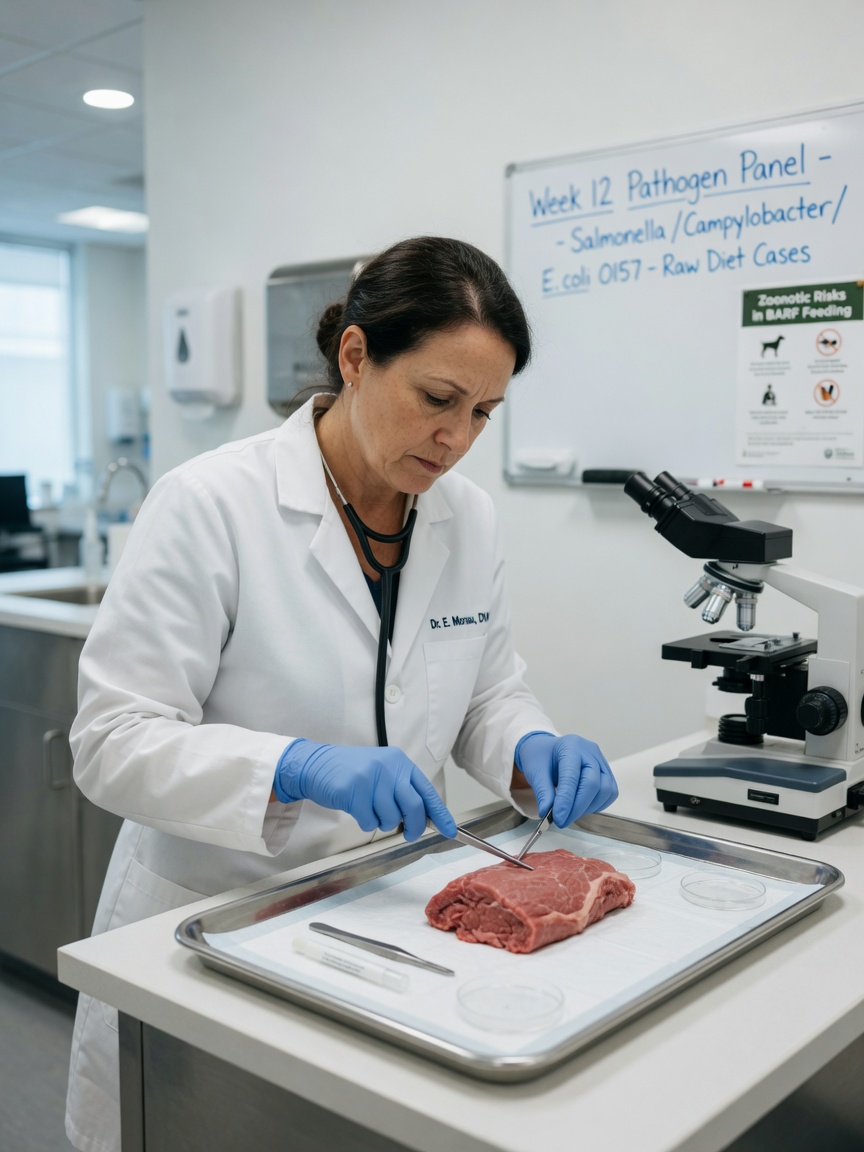
A 2020 review published in PLOS ONE found that commercially prepared raw meat diets frequently tested positive for zoonotic pathogens. In one widely cited analysis of 35 commercial raw products, more than half contained detectable Salmonella or E. coli O157:H7. Dogs fed raw meat can shed these bacteria in their feces asymptomatically, creating an ongoing contamination risk in the home.
On the potential benefits side, a 2017 study in the Journal of Animal Science found higher apparent digestibility coefficients for certain macronutrients in raw diets compared to dry extruded diets — though results varied substantially by protein source and formulation. A 2022 large-scale study by Andrew Knight et al. (PMID 35789770) examining 2,536 dogs also provides useful context on alternative diets, suggesting owner-reported health outcomes for raw-fed dogs were at least as good as for kibble-fed dogs. However, the authors acknowledge self-selection bias — owners who choose raw diets tend to be highly engaged with their pets' health overall.
Nutritional completeness is a separate concern. Home-prepared raw diets frequently fail to meet AAFCO (Association of American Feed Control Officials) nutrient profiles. A 2013 study in the Journal of Nutritional Science evaluated 95 home-prepared raw recipes and found that more than 60% had at least one nutrient at a potentially harmful level. Calcium-to-phosphorus ratios are especially critical for puppies and large breeds.
More information on safe raw feeding practices is available through the AVMA and the FDA's raw pet food safety guidance.
Microbiological Risks: A Real Concern
The pathogen risk in raw diets is not hypothetical. The U.S. Centers for Disease Control and Prevention (CDC) has documented multiple outbreak investigations linking raw pet food to human illness from Salmonella. High-risk populations — children under five, adults over 65, pregnant women, and immunocompromised individuals — face the greatest danger from indirect exposure via contact with a raw-fed pet or contaminated surfaces.
Raw bones, while beneficial for dental health when appropriately sized, also carry physical hazards: splintering, intestinal obstruction, tooth fractures, and esophageal tears are documented risks. Only raw bones should ever be offered — cooked bones splinter far more easily and are considered dangerous by most veterinary authorities.
How to Start Safely If You Choose to Raw Feed
If you have discussed raw feeding with your veterinarian and decided to proceed, the following practices reduce — though do not eliminate — risk:
- Choose commercially prepared, HPP-processed raw diets. High-Pressure Processing (HPP) significantly reduces pathogen loads without cooking the food. Look for products that comply with AAFCO complete and balanced standards.
- Handle food with the same care as raw human food. Use separate cutting boards, wash hands thoroughly, and disinfect surfaces after preparation.
- Do not leave raw food in the bowl for more than 30 minutes. Discard uneaten portions promptly.
- Keep raw-fed dogs away from vulnerable household members during feeding and for several hours after, especially young children.
- Work with a board-certified veterinary nutritionist if preparing food at home, to ensure the diet meets AAFCO nutrient profiles for your dog's life stage.
- Schedule regular fecal testing with your vet to monitor for shedding of zoonotic pathogens.
Looking for a high-quality commercial raw option? Zooplus carries a range of frozen and freeze-dried raw diets that meet AAFCO standards and use HPP processing. Browse raw dog food options at Zooplus →
Who Should Avoid Raw Feeding?
Raw diets are generally not recommended for puppies under 12 weeks, senior dogs with compromised immune systems, dogs undergoing chemotherapy, or dogs with a history of pancreatitis (due to the high fat content in many raw formulations). Households with immunocompromised members should discuss the risks very carefully with both their physician and their veterinarian before proceeding.
Key Takeaways
- Raw diets may offer digestibility and palatability benefits, but robust clinical evidence is limited and largely observational.
- The AVMA officially discourages raw feeding due to documented pathogen risks to pets and humans.
- Salmonella, E. coli, Listeria, and Campylobacter have all been detected in commercial raw pet food products.
- Home-prepared raw diets frequently fail AAFCO nutrient standards — professional nutritionist input is essential.
- If you choose to raw feed, HPP-processed commercial products and rigorous hygiene practices substantially reduce — but do not eliminate — risk.
- Always consult your veterinarian before making any significant change to your dog's diet.
References
- van Bree FPJ, et al. "Zoonotic bacteria and parasites found in raw meat-based diets for companion animals." Vet Rec. 2018;182(2):50. PubMed
- Sandri M, et al. "Raw meat based diet influences faecal microbiome and end products of fermentation in healthy dogs." BMC Vet Res. 2017;13(1):65. PubMed PMID 28264694