
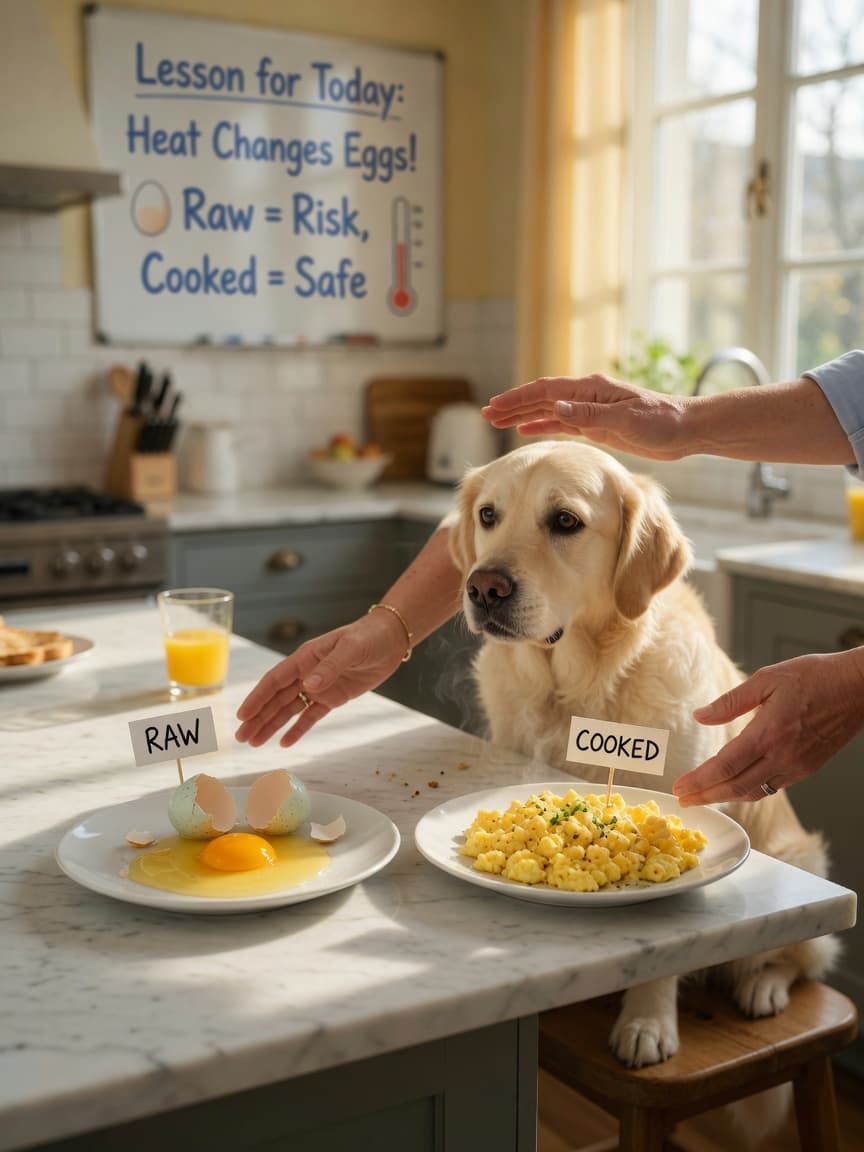
Can Dogs Eat Raw Eggs? Biotin Theft, Salmonella & Safe Serving
By Julia Wrenfield, Pet Wellness Researcher
Eggs have become a popular ingredient in raw feeding communities, and it is easy to see why. They are affordable, widely available, and genuinely nutritious. But the question of whether to feed them raw or cooked involves a set of considerations that many owners have not fully worked through. This article examines the specific risks of raw eggs, explains the biochemistry behind each concern, and gives you a practical framework for feeding eggs to your dog safely and confidently.
The Nutritional Profile of Eggs
Before addressing the risks, it is worth appreciating what makes eggs so valuable as a food for dogs. A large whole egg contains approximately:
- 6–7 grams of protein — with an excellent amino acid profile that includes leucine, lysine, methionine, and all other essential amino acids for dogs
- 5 grams of fat — primarily in the yolk, including monounsaturated and saturated fats
- Choline — concentrated in the yolk; essential for brain function, liver health, and fetal development
- Lutein and zeaxanthin — carotenoids that support eye health
- Riboflavin (B2), Vitamin B12, Vitamin D, Vitamin A, Vitamin E
- Selenium — an important antioxidant mineral
- Iron, zinc, and phosphorus
Eggs have one of the highest biological values (BV) of any protein food — BV measures how efficiently the body can use the protein absorbed. Cooked whole egg has a biological value of approximately 100, which nutritionists use as the reference standard against which other proteins are measured. For dogs, egg protein is highly digestible and well-utilized.
The Avidin Problem: How Raw Egg Whites Steal Biotin
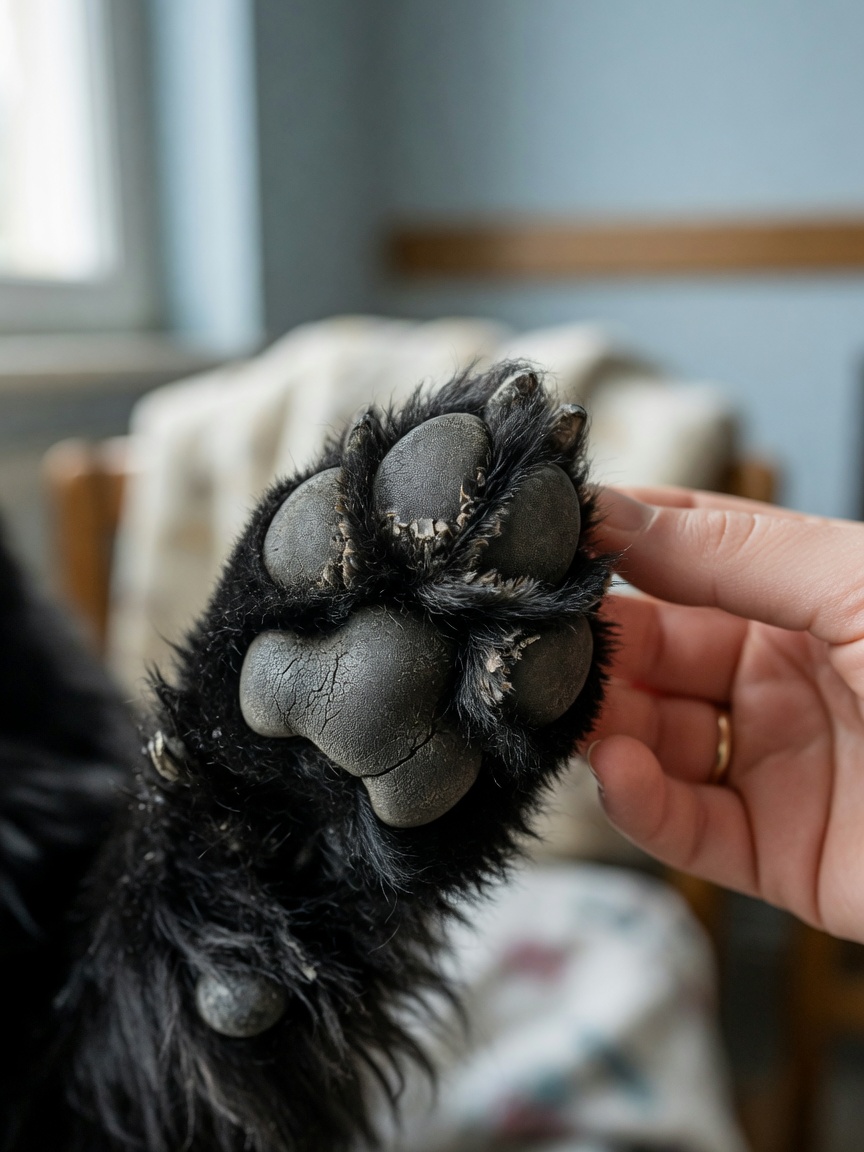
Egg whites contain a glycoprotein called avidin. Avidin has an extraordinarily high binding affinity for biotin (Vitamin B7) — it binds biotin so tightly that the complex passes through the GI tract without being absorbed. In practical terms, regularly feeding raw egg whites to your dog does not just fail to provide biotin; it actively removes biotin from the gut, creating a progressive deficiency over time.
Biotin is a B vitamin involved in fatty acid synthesis, gluconeogenesis (glucose production from non-carbohydrate sources), and the metabolism of amino acids. It is also essential for healthy skin, coat, and nail quality. Biotin deficiency in dogs produces:
- Dull, brittle coat and excessive shedding
- Scaly skin and dermatitis
- Cracked paw pads
- Lethargy and poor growth in puppies
- Neurological signs in severe cases
Here is the critical nuance: a single occasional raw egg is unlikely to cause a problem. The risk scales with frequency and quantity. Dogs fed raw eggs daily, or whose raw egg white intake is a significant portion of their diet, are genuinely at risk of developing biotin deficiency over weeks to months. The egg yolk, by contrast, is rich in biotin and actually counteracts avidin's effects when the whole egg is eaten. The problem is most pronounced when dogs are fed egg whites alone (as a protein supplement) rather than whole eggs.
Cooking completely denatures avidin. A cooked egg white has no avidin activity whatsoever. The biotin concern is entirely eliminated by cooking, which is one of the strongest arguments for serving eggs cooked rather than raw.
Salmonella: Real Risk for Dog and Family
Salmonella is a genus of bacteria commonly found in raw poultry products, including eggs. The risk in raw eggs is real but context-dependent. Healthy adult dogs have a more acid-tolerant gut environment than humans and appear to have some resilience to Salmonella infection. However, "some resilience" does not mean immunity.
Dogs can contract salmonellosis and show symptoms including vomiting, bloody diarrhea, fever, lethargy, and dehydration. The risk is higher in puppies, elderly dogs, and immunocompromised dogs (including those on chemotherapy or long-term corticosteroids).
The human health dimension is equally important. A dog that ingests Salmonella becomes a vector for household transmission — through contact with the dog's mouth, feces, food bowls, and surfaces. Children, elderly family members, and immunocompromised individuals in the household are at meaningful risk. Salmonellosis in humans causes severe gastroenteritis and, in vulnerable individuals, can be life-threatening. The CDC and AVMA both advise against feeding raw eggs to dogs for this reason.
Cooking eggs to an internal temperature sufficient to kill Salmonella — which the USDA sets at 160°F (71°C) for egg dishes — eliminates this risk completely.
How to Feed Eggs Safely
The good news is that cooked eggs retain nearly all of their nutritional value and present none of the risks of raw feeding. Here is how to incorporate eggs beneficially into your dog's diet:
Cooking method: Scrambled, poached, hard-boiled, or soft-boiled — all are fine. Avoid adding butter, salt, oil, onion, garlic, or any other seasoning. Plain is best. Avoid fried eggs cooked in excessive fat.
Frequency: For most dogs, one egg per day is safe and appropriate for medium-to-large breeds. Smaller dogs should have half an egg or one egg every other day. Eggs are calorie-dense; a large egg provides roughly 70–80 calories and should be factored into the dog's total daily calorie intake to avoid weight gain.
As a topper or treat: Scrambled or chopped hard-boiled egg makes an excellent food topper for picky eaters, a training reward, or a recovery food for dogs with low appetite after illness.
Puppies and pregnant dogs: Eggs are excellent for these life stages given the high-quality protein and choline content. Always cook them.
Eggshells: A Surprising Calcium Source
If you are preparing home-cooked meals for your dog, do not discard the eggshells. Dried, finely ground eggshell is an excellent and highly bioavailable source of calcium carbonate. One teaspoon of finely ground eggshell provides approximately 1,800–2,000 mg of elemental calcium — enough to supplement a significant portion of an adult dog's daily calcium requirement.
To prepare eggshells safely: wash them, bake at 250°F (120°C) for 10 minutes to eliminate any bacterial contamination, allow to cool, and grind into a fine powder in a coffee grinder. Store in an airtight container. The ground shell should be added directly to food.
This is particularly valuable for owners who prepare home-cooked meals without commercial bone meal, where calcium deficiency is one of the most common nutritional errors.
For owners who want to complement their dog's diet with a high-quality supplement built around whole-food ingredients — including support for coat quality and skin health — HolistaPet's dog supplement range offers natural options developed with nutritional completeness in mind.
Key Takeaways
- Raw egg whites contain avidin, which blocks biotin absorption — regular feeding can cause biotin deficiency affecting skin, coat, and metabolism.
- Raw eggs carry a Salmonella risk for both dogs and human household members, especially children and immunocompromised individuals.
- Cooking completely eliminates both risks (avidin is denatured, Salmonella is killed) while preserving virtually all nutritional value.
- Cooked eggs have one of the highest biological values of any protein food — they are excellent for dogs.
- One cooked egg per day is appropriate for most medium-to-large dogs; adjust for smaller breeds and total calorie budget.
- Ground eggshell is a highly bioavailable calcium supplement useful in home-prepared diets.
- Never add salt, butter, garlic, onion, or other seasonings to eggs fed to dogs.
References
- Mock DM, Quirk JG, Mock NI. Marginal biotin deficiency during normal pregnancy. American Journal of Clinical Nutrition. 2002;75(2):295-299. PMID: 11815321. doi:10.1093/ajcn/75.2.295
- Finley R, Reid-Smith R, Weese JS. Human health implications of Salmonella-contaminated natural pet treats and raw pet food. Clinical Infectious Diseases. 2006;42(5):686-691. PMID: 16447013. doi:10.1086/500211