
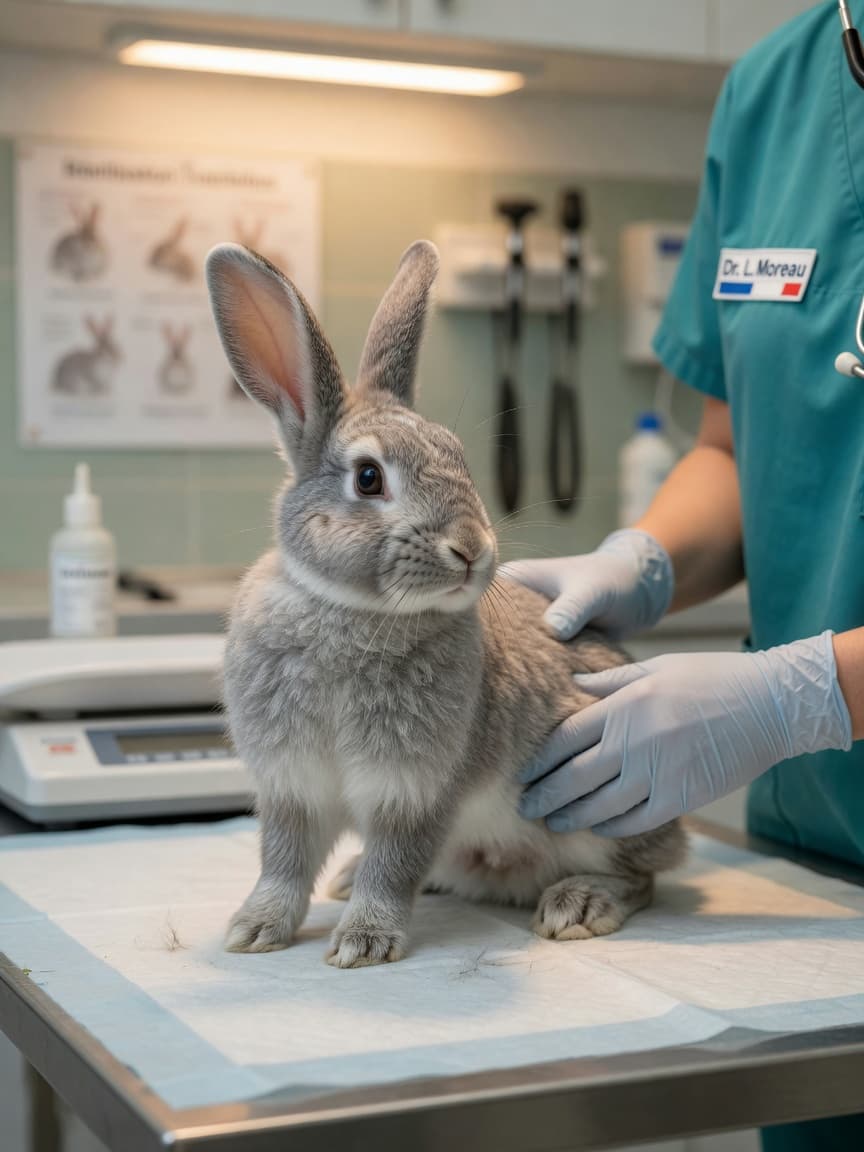
Why Neutering Is Especially Important for Rabbits
Of all the common pet species, rabbits arguably have the most compelling medical case for routine neutering — particularly females. The risks of leaving a doe intact extend far beyond unwanted litters. Uterine cancer in intact female rabbits is not merely a possibility; it is, statistically, close to a certainty given enough time. Understanding this risk, alongside the behavioural benefits of neutering for both sexes, is essential for any rabbit owner committed to providing the best possible care.
The Urgent Case for Spaying Female Rabbits
Uterine Adenocarcinoma: A Leading Cause of Death in Does
Research has consistently shown that uterine adenocarcinoma — cancer of the uterine lining — affects between 50 and 80 per cent of intact female rabbits over the age of four years. In some studies of older intact does, the prevalence is even higher. This makes uterine cancer the single most common cause of death in unspayed female rabbits kept as pets.
The cancer typically develops silently, with no obvious signs in early stages. By the time symptoms such as blood in the urine, a swollen abdomen, lethargy, or changes in droppings become apparent, the disease is often advanced and may have spread to other organs including the lungs and liver. Once the cancer has metastasised, treatment options are extremely limited and the prognosis is poor.
Prevention is straightforward: spaying before the cancer develops is curative by definition, as there is no uterus in which the tumour can form.
When Should Does Be Spayed?
Most rabbit-savvy vets and organisations including the RWAF (Rabbit Welfare Association and Fund) recommend spaying female rabbits before the age of two years, ideally between four and six months, once the rabbit has reached sufficient size to be safely anaesthetised. Spaying before two years is considered essential for meaningful cancer prevention. Spaying an older doe that has remained intact is still beneficial if the rabbit is otherwise healthy, but the risk of pre-existing uterine changes increases with age, and veterinary assessment before surgery is important.
Rabbit anaesthesia carries more risk than anaesthesia in cats and dogs, so it is vital to choose a vet with specific rabbit experience. This risk is real but manageable and is far outweighed by the near-certainty of serious disease in an intact doe that lives a normal lifespan.
Other Benefits of Spaying Does
In addition to cancer prevention, spaying eliminates the risk of uterine infections (rabbit pyometra), reduces territorial spraying behaviour that some does exhibit, and can reduce hormonally driven aggression and digging behaviour that is common in intact females. False pregnancies, in which does pull fur and build nests even when not pregnant, also cease after spaying.
Castrating Male Rabbits
Reduces Spraying and Aggression
Intact male rabbits — bucks — frequently spray urine to mark territory, a behaviour that can be extremely difficult to manage in a home environment. They are also prone to aggression driven by hormonal impulses, including lunging, scratching, and biting. Castration significantly reduces or eliminates these behaviours in the majority of bucks, making them considerably easier and more pleasant to live with.
Castrated males also tend to be more sociable with other rabbits, which matters greatly given that rabbits are highly social animals that should ideally be kept in bonded pairs or groups rather than alone.
Enables Safe Bonding
A bonded pair of rabbits provides one of the most effective welfare improvements possible for these animals. Rabbits living with a companion exhibit less stress, more natural behaviour, and better overall health outcomes. However, bonding an intact buck with any other rabbit carries an obvious risk of unwanted pregnancies and is more likely to result in fighting and territorial behaviour. For a stable bond to form, both rabbits must be neutered.
Important: Sperm Clearance After Castration
A critical point that is not always clearly communicated to owners is that a recently castrated buck remains fertile for several weeks following surgery. Viable sperm can persist in the reproductive tract for four to six weeks after castration. During this period, a castrated male must not be housed with an unspayed female, as pregnancy can still occur. Only once this window has passed is it safe to introduce a castrated buck to an intact doe — though for welfare and bonding reasons, it is far better for both rabbits to be neutered before they are introduced.
The Importance of Neutering for Bonded Pairs
If you plan to keep two rabbits together — whether a male and female pair, two females, or two males — neutering all animals involved is strongly recommended. Two intact males will typically fight severely once they reach sexual maturity. Two intact females can co-exist but are prone to serious territorial disputes, particularly when coming into hormonal cycles. A male-female pair will breed continuously and prolifically if both are intact. Neutering removes the hormonal drivers of much of this conflict and allows stable, positive bonded relationships to form.
Choosing the Right Vet
Not all vets have equal experience with rabbit surgery and anaesthesia. Rabbits have specific physiological characteristics that make their anaesthetic management different from that of cats and dogs. They are more sensitive to certain anaesthetic agents, must not be fasted before surgery (unlike dogs and cats — rabbits need a constant food supply for gut motility), and require careful temperature management and a rapid return to eating after the procedure. Always look for a vet or practice that lists rabbits as a specialist area and has experience with routine rabbit neutering.
Post-Operative Care for Rabbits
- Do not withhold food or water before or after surgery — rabbits must continue eating to maintain gut motility
- Keep your rabbit in a warm, clean, quiet environment after returning home
- Offer favourite foods to encourage eating as quickly as possible after surgery
- Check the wound site twice daily for signs of infection, swelling, or interference
- Contact your vet immediately if your rabbit has not eaten within a few hours of returning home, as gut stasis — where the digestive system slows or stops — is a serious post-operative risk
- Keep a recently castrated buck separate from any unspayed female for at least six weeks following surgery
Summary
Neutering is not optional health care for rabbits — it is essential, particularly for females. The extraordinary prevalence of uterine cancer in intact does makes spaying one of the most life-extending decisions you can make for a female rabbit. For males, castration improves behaviour, enables bonding, and contributes to a calmer, safer household for both rabbits and owners. Work with a rabbit-experienced vet, time the procedure appropriately, and follow post-operative guidance carefully to give your rabbit the healthiest possible outcome.