
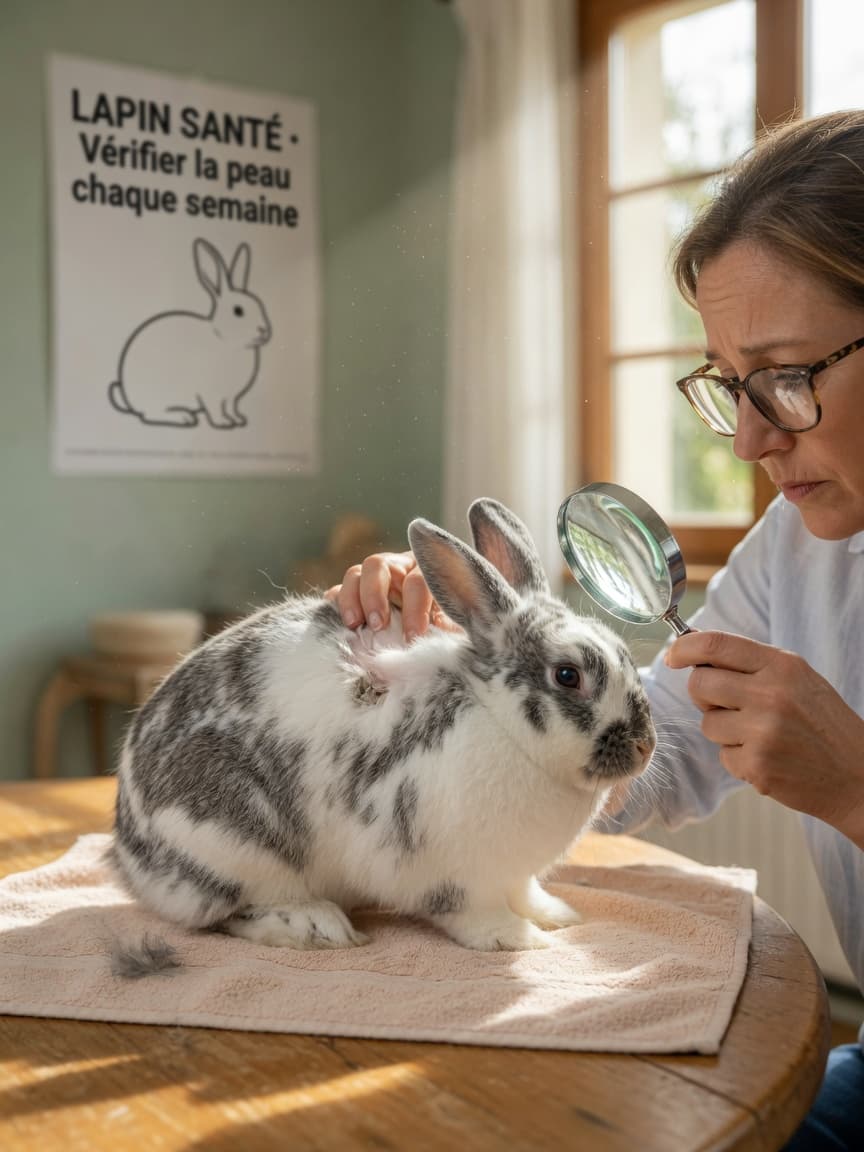
Discovering your beloved rabbit constantly scratching and itching can be worrying. While occasional grooming is perfectly normal, excessive itching often signals an underlying health issue that requires your attention. From parasites to skin conditions, rabbits can experience various causes of itchiness. Understanding what might be troubling your furry friend and knowing when to seek veterinary help is essential for ensuring their comfort and wellbeing.
Common Causes of Itching in Rabbits
Rabbits can itch for several reasons, and identifying the cause is the first step toward relief. The most frequent culprits include:
- Parasites: Mites, fleas, and lice are common external parasites that cause significant discomfort and scratching in rabbits
- Ear mites: These microscopic parasites specifically affect the ears, causing intense itching and head shaking
- Skin infections: Fungal infections like ringworm or bacterial infections can lead to irritated, itchy skin
- Allergies: Environmental allergens or dietary sensitivities may trigger itching responses
- Dry skin: Low humidity or insufficient grooming can result in dry, flaky skin
- Stress-related behaviours: Anxiety can manifest as excessive self-grooming and scratching
Identifying the Problem: What to Look For
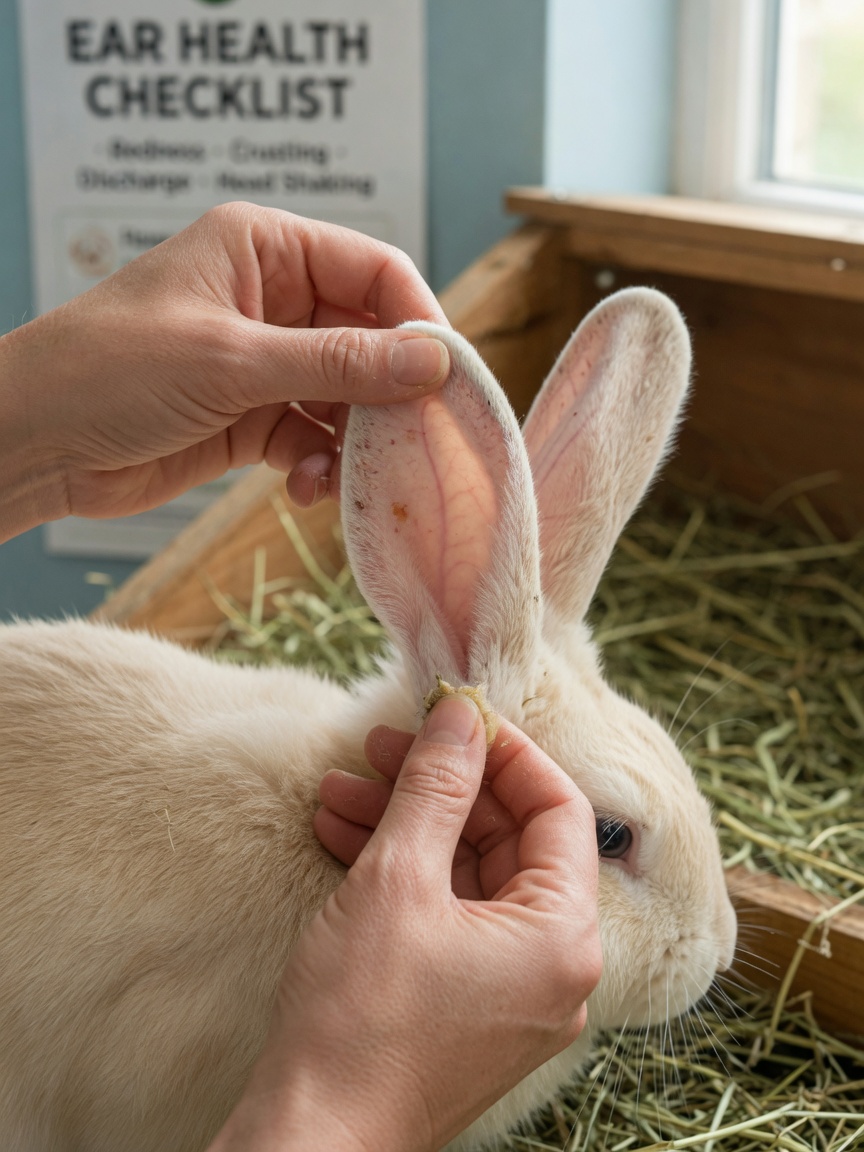
Before visiting your veterinarian, observe your rabbit carefully for additional signs that might indicate the cause of itching:
- Check their ears for redness, discharge, or crusty build-up
- Examine their skin for hair loss, scabs, or visible parasites
- Look for changes in behaviour, including lethargy or loss of appetite
- Note whether scratching occurs in specific areas or across their entire body
- Assess their living environment for adequate humidity and cleanliness
Immediate Steps to Take
If you notice your rabbit scratching excessively, take these immediate actions:
- Clean the hutch thoroughly: Remove soiled bedding and replace it with fresh, dust-free hay or paper-based bedding, which are gentler on sensitive skin
- Check for parasites: Examine their fur closely under good lighting, paying special attention to the ears and around the tail
- Review their diet: Ensure they're receiving quality hay, fresh vegetables, and appropriate pellets
- Maintain humidity: Rabbits thrive in environments with 40-60% humidity; use a humidifier if your home is particularly dry
- Schedule a vet appointment: Don't delay professional evaluation, particularly if scratching is severe or accompanied by other symptoms
When to Seek Veterinary Care
Contact your veterinarian promptly if your rabbit shows any of these warning signs:
- Continuous scratching that disrupts sleep or eating
- Visible hair loss or bald patches
- Crusty or bleeding skin lesions
- Discharge from ears or eyes
- Weight loss or decreased appetite
- Changes in behaviour or mobility
Your vet may perform skin scrapings, cultures, or other diagnostic tests to identify the exact cause and recommend appropriate treatment, which might include topical treatments, oral medications, or dietary adjustments.
Prevention and Long-Term Care
Protecting your rabbit from itching involves consistent preventative measures:
- Maintain clean, spacious living quarters with regular bedding changes
- Provide high-quality hay and fresh, pesticide-free vegetables
- Groom your rabbit regularly, especially longer-haired breeds
- Minimise stress through consistent handling and a stable routine
- Keep humidity levels appropriate for your region
- Ensure your rabbit receives annual health check-ups
Key Takeaways
Persistent itching and scratching in rabbits shouldn't be ignored. By carefully observing your pet, maintaining excellent hutch hygiene, and seeking timely veterinary advice, you can quickly address the underlying cause and restore your rabbit's comfort. Remember that rabbits are prey animals who often hide signs of illness, making regular observation crucial. With prompt attention and proper care, most itching issues resolve successfully, allowing your rabbit to enjoy a happy, healthy life.
```