
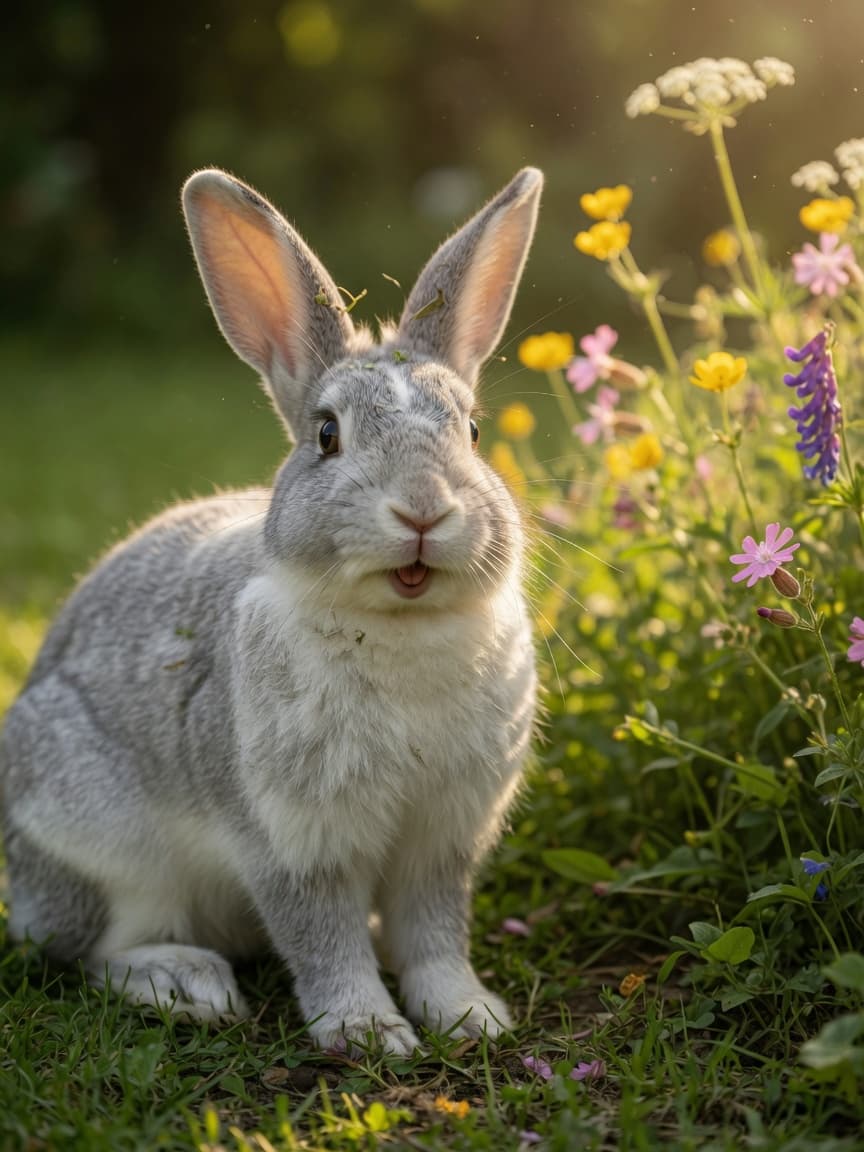
Rabbits: Europe's Third Most Popular Pet
According to FEDIAF, the European Pet Food Industry Federation, rabbits are the third most popular pet in Europe, with millions of households across the continent keeping them as companions. Despite this popularity, rabbits are frequently misunderstood animals. They are not low-maintenance starter pets — they have complex social, dietary, and medical needs that require genuine commitment from their owners. Understanding these needs is the foundation of good rabbit ownership.
Gastrointestinal Stasis: A Silent Emergency
Gastrointestinal (GI) stasis is one of the most serious health conditions in domestic rabbits, and one of the most common reasons rabbits are presented to vets as emergencies. It occurs when the normal movement of food through the digestive tract slows or stops entirely. Unlike humans or dogs, rabbits have a digestive system that must keep moving constantly. When gut motility decreases, gas builds up, bacteria multiply, and the rabbit can deteriorate rapidly.
Early signs of GI stasis include a reduction or complete cessation of droppings, loss of appetite, a hunched posture, and reluctance to move. The rabbit's abdomen may feel firm or bloated. If you observe any of these signs, treat it as an emergency and contact a rabbit-savvy vet immediately — do not wait overnight. Treatment typically involves fluid therapy, pain relief, gut motility drugs, and syringe feeding if the rabbit has stopped eating.
The primary preventative measure is a correct diet. A rabbit that eats sufficient hay every day is far less likely to suffer from GI stasis than one fed primarily on pellets or muesli mixes.
Dental Disease in Rabbits
Rabbits have continuously growing teeth — both incisors and the less visible cheek teeth (premolars and molars). In a healthy rabbit eating an appropriate diet, chewing hay wears the teeth down at the correct rate. When hay intake is insufficient, the cheek teeth can overgrow and develop sharp spurs that lacerate the tongue and cheeks, cause pain, and eventually lead to abscesses.
Dental malocclusion — misalignment of the teeth — can also be genetic, particularly in lop-eared breeds and other selectively bred varieties. Signs of dental problems include drooling, difficulty eating, weight loss, and wet fur around the chin. Dental disease in rabbits is diagnosed by examination under sedation or anaesthesia, as the cheek teeth cannot be adequately assessed in a conscious animal.
Regular vet check-ups — at least once a year — are essential for rabbits, and dental health should always be part of the examination. Many rabbit owners in the EU are fortunate to have access to exotic animal specialists and rabbit-experienced vets, but it is worth asking specifically about a vet's rabbit experience before registering.
Vaccination Schedules in the EU
Vaccination is a critical part of rabbit ownership in Europe. Two diseases in particular are life-threatening and largely preventable through vaccination: Viral Haemorrhagic Disease (VHD, also known as RHD) and myxomatosis.
Rabbit Haemorrhagic Disease is caused by calicivirus and causes sudden death, often with little prior warning. The original strain (RHDV1) has been joined by a newer and particularly dangerous variant, RHDV2, which has spread widely across Europe over the past decade. RHDV2 can affect rabbits of all ages, including kits that were previously considered less susceptible to the original strain. It can be transmitted via direct contact with infected rabbits, contaminated surfaces, insects, and even on clothing and shoes — meaning indoor rabbits are not fully protected without vaccination.
Myxomatosis is spread by biting insects (primarily fleas and mosquitoes) and causes severe swelling of the eyes, nose, and genitals. It is almost always fatal in unvaccinated rabbits. It is endemic across much of Western Europe.
Most EU countries offer combination vaccines that cover both myxomatosis and RHDV1/RHDV2. Speak to your vet about the specific products available in your country, as vaccine availability varies. Annual or twice-yearly boosters are typically required. Some vets recommend more frequent vaccination in high-risk areas or periods of peak insect activity.
Diet: 80 Per Cent Hay
The single most important element of a rabbit's diet is hay, which should make up approximately 80 per cent of everything they eat. Timothy hay, meadow hay, and orchard grass are all suitable and widely available. Hay provides the long-strand fibre essential for gut motility and correct tooth wear. It should be available to rabbits at all times and should be fresh and sweet-smelling — dusty or mouldy hay can cause respiratory problems.
The remaining 20 per cent of the diet should consist of a variety of fresh leafy greens (such as romaine lettuce, kale, parsley, and fresh herbs) and a small daily portion of high-quality pellets. Muesli-style mixes that contain coloured pieces, seeds, and dried fruit are strongly discouraged by rabbit welfare organisations — rabbits selectively eat the high-sugar components and leave behind the more nutritious elements, leading to dietary imbalance and dental disease.
Fresh water must always be available. Many rabbits prefer to drink from a bowl rather than a bottle, though both should be cleaned daily.
Housing Requirements
Rabbits require considerably more space than is often assumed. The minimum recommended housing for a single rabbit is a living area of at least 3 metres by 2 metres, with an additional exercise run. The days of keeping a rabbit in a small hutch at the bottom of the garden are widely recognised as inadequate by rabbit welfare organisations and veterinary professionals across Europe.
Rabbits are social animals and, in the absence of a rabbit companion, require significant daily human interaction and environmental enrichment. Neutering is strongly recommended for both males and females: it prevents unwanted litters, reduces aggression, and significantly lowers the risk of uterine cancer in females — a condition that affects the majority of unspayed does by the age of five.
For hay, bedding, housing, and enrichment toys, Zooplus is a reliable supplier across Europe, stocking a wide range of rabbit-appropriate products from brands such as Supreme Science and Vitakraft at competitive prices.
Finding a Rabbit-Savvy Vet
Not all general practice vets have extensive experience with rabbits. Rabbits are classified as exotic animals in veterinary medicine, and their physiology, drug sensitivities, and surgical risks differ significantly from cats and dogs. It is worth seeking out a vet who specifically sees rabbits regularly. Many European countries have exotic animal vet directories, and organisations such as the British Rabbit Council or Animal Friends (in several EU countries) can assist with recommendations.
Register with a vet before your rabbit needs emergency care. Knowing who to call and where to go when GI stasis or another crisis strikes can make the difference between life and death for your rabbit.