
Why Hamsters Are So Difficult to Read
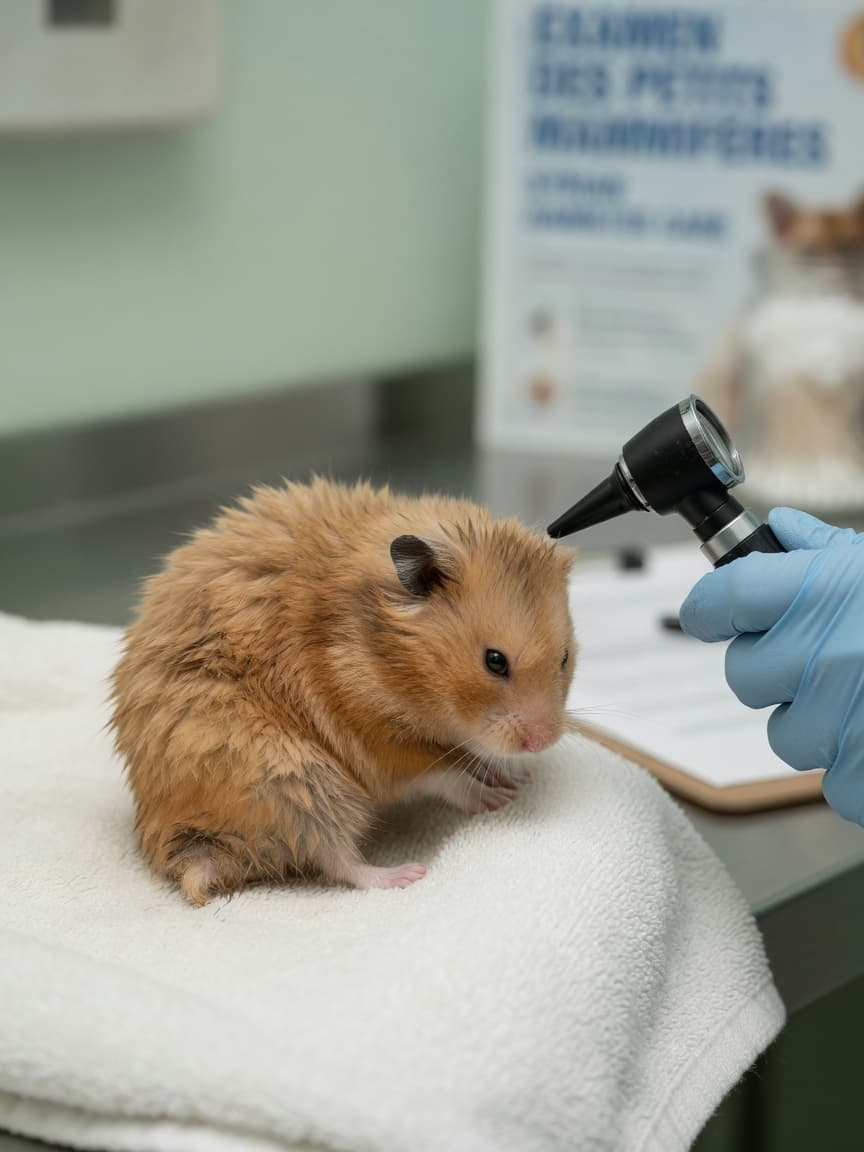
Hamsters are prey animals, which means that showing weakness is, in evolutionary terms, an invitation to be eaten. As a result, they have developed a remarkable ability to conceal pain, discomfort, and illness until conditions become severe. By the time a hamster is visibly unwell, the situation may already be serious. Understanding their biology and watching carefully for subtle changes is the most effective way to catch health problems early.
Wet Tail: The Condition Every Hamster Owner Should Know
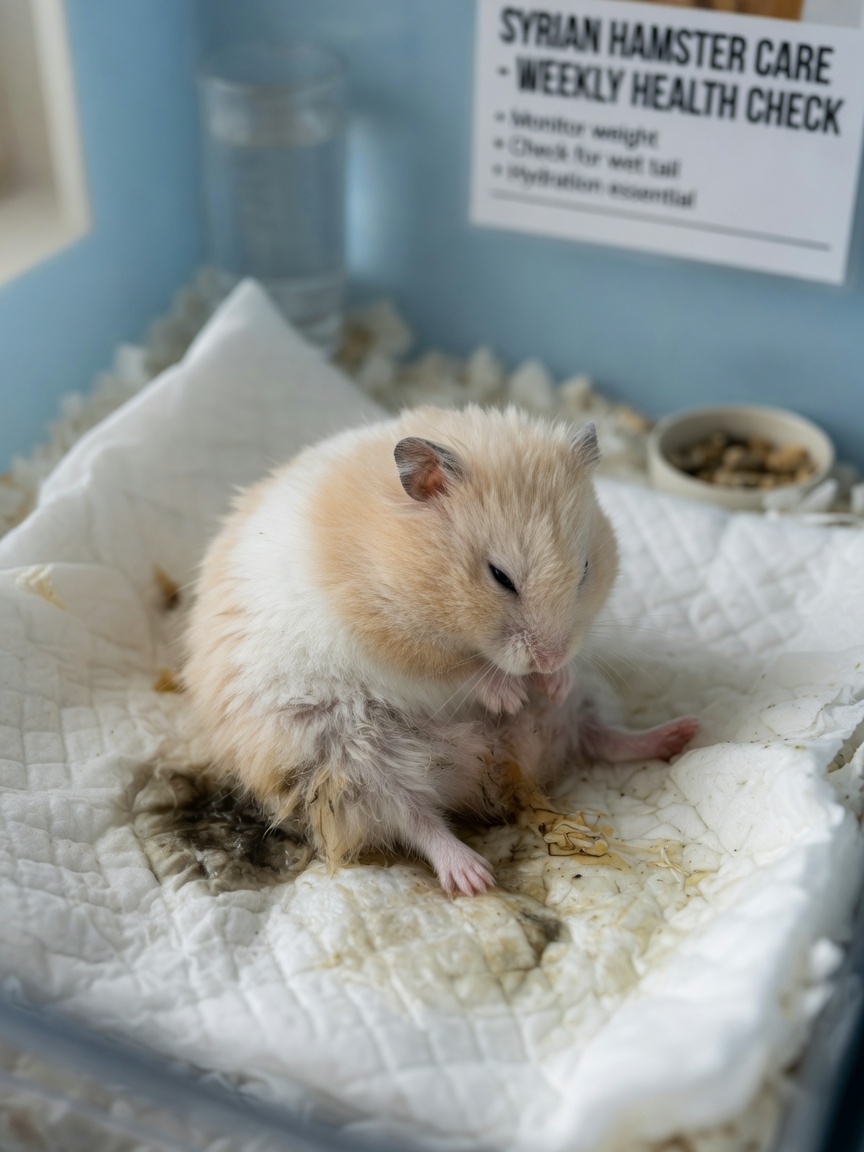
Wet tail — technically known as proliferative ileitis — is the most well-known and feared hamster illness. It is a bacterial infection of the intestines, most commonly seen in young Syrian hamsters shortly after weaning, though it can affect any hamster under stress. The name comes from the diarrhoea that causes the tail and hindquarters to become wet and soiled.
The onset can be rapid. An affected hamster may go from seemingly normal to severely ill within 24 to 48 hours. Signs include watery diarrhoea, a hunched posture, lethargy, and a strong, unpleasant odour. The animal will often stop eating and drinking entirely. Without prompt veterinary treatment, wet tail is frequently fatal.
Stress is a major trigger — the condition most often appears following rehoming, handling by many people, poor conditions, or separation from littermates. Providing a calm, enriched environment from the start, and avoiding unnecessary stress, particularly in the first weeks after bringing a new hamster home, significantly reduces risk.
Respiratory Infections
Hamsters can develop respiratory infections caused by bacteria or viruses, and these can progress quickly in such a small animal. Interestingly, hamsters are susceptible to some of the same respiratory pathogens as humans, which means that a person with a cold or flu can potentially infect their hamster.
- Signs include sneezing, nasal discharge, and wheezing or laboured breathing
- The coat may appear ruffled or dull as the animal diverts energy to fighting infection
- Reduced activity and loss of appetite accompany most respiratory illnesses
- Avoid handling your hamster when you are unwell with a cold or respiratory illness
A warm, draught-free environment supports recovery, but veterinary treatment is usually required. Antibiotics may be prescribed, and supportive care including warmth and fluid support can be critical in small animals that deteriorate quickly.
Cheek Pouch Problems
The cheek pouches that make hamsters so distinctive can also become a source of health problems. Food can become impacted in the pouches, particularly sticky foods that do not empty naturally. In some cases, the pouch can prolapse — turn inside out and protrude from the mouth — which is both alarming to observe and requires urgent veterinary attention.
Signs of pouch impaction include one or both sides of the face appearing persistently swollen even hours after feeding, pawing at the mouth, and reduced appetite. A vet experienced with small animals can gently empty impacted pouches and check for any underlying damage or infection.
Avoiding sticky, sugary, or sharp foods — including certain seeds with rough husks — reduces the risk of pouch problems. A diet centred on high-quality hamster mix, fresh vegetables, and occasional protein sources supports both general health and pouch function.
Diabetes in Dwarf Hamsters
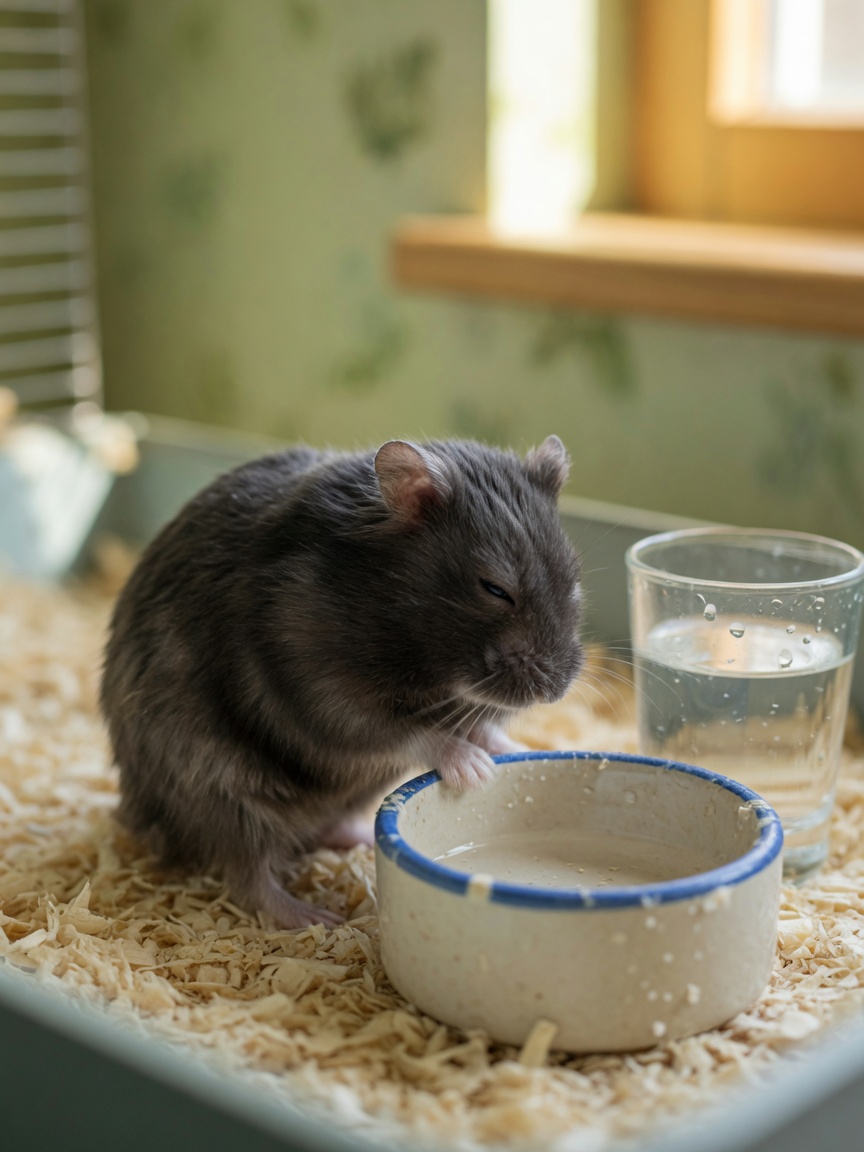
Diabetes mellitus is significantly more common in dwarf hamsters than in Syrian hamsters, with Russian dwarf hamsters (both Campbell's and Winter White varieties) particularly predisposed. The condition may be genetic in these breeds.
Signs of diabetes in hamsters include excessive thirst and urination, rapid weight loss despite normal or increased food intake, and lethargy. The urine may have a sweet smell. Diagnosis requires a blood glucose test, which is technically challenging in such a small animal but achievable by an experienced vet.
Management often centres on diet — removing high-sugar foods and ensuring a nutritionally balanced, low-glycaemic diet. Some hamsters stabilise well with dietary management alone. A diet low in fruit, sugary vegetables, and processed treats is advisable as a preventive measure in all dwarf hamsters given their genetic predisposition.
Tumours and Cancer
Tumours are unfortunately common in hamsters, particularly as they age. Syrian hamsters have a relatively short lifespan of two to three years, and tumours — both benign and malignant — become more prevalent in the second half of life. The most common sites include the skin, lymph nodes, and reproductive organs in females.
A lump that appears under the skin, changes in body shape, asymmetry of the abdomen, or any rapidly growing swelling should prompt a veterinary visit. Adrenal gland tumours can cause hair loss, often beginning on the flanks and spreading symmetrically, and are another common finding in older hamsters.
While surgery is sometimes an option, the small size of hamsters makes anaesthesia a risk, and decisions about treatment should be made carefully with a vet who has experience in exotic small mammal medicine. Quality of life is always the central consideration.
Reading Your Hamster's Behaviour
Because hamsters hide illness so effectively, behavioural changes are often the most reliable early warning. A hamster that is normally active during its waking hours but is now sitting still, a hamster that has stopped hoarding food, or one that is unusually easy to handle because it lacks the energy to move away — these are all red flags worth investigating.
- Weigh your hamster weekly using a kitchen scale to track gradual weight changes
- Check the eyes, nose, coat, and hindquarters during daily observation
- Learn your hamster's normal activity patterns so deviations stand out
- Never attribute reduced activity to "getting older" without ruling out illness first
Hamsters live short lives, but those lives can be full and healthy with attentive care. The smaller the animal, the faster things can change — which makes regular, close observation not just helpful, but essential.