
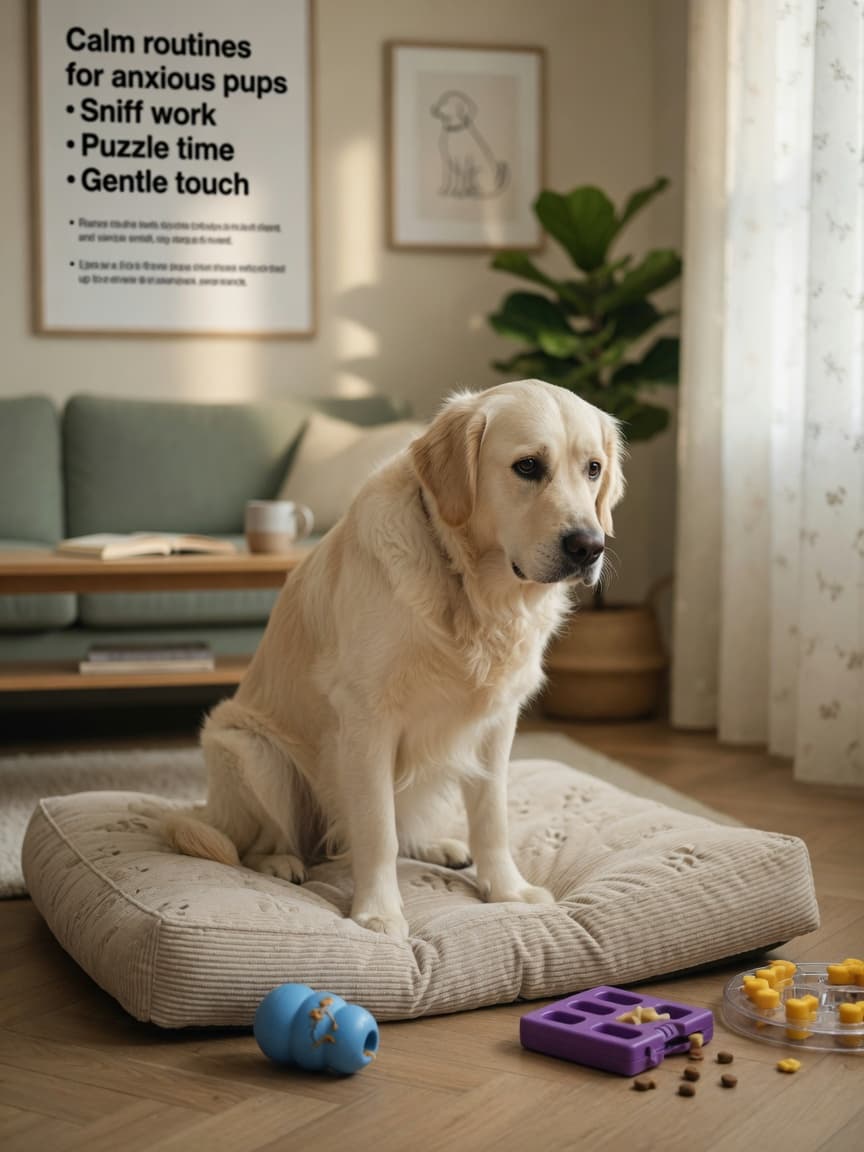
Understanding Dog Anxiety: The Different Types
Anxiety in dogs is more common than many owners realise, and it can manifest in several distinct forms. Separation anxiety occurs when a dog becomes distressed after being left alone, often resulting in destructive behaviour, excessive vocalisation, or house-soiling. Noise phobia — triggered by thunderstorms, fireworks, or loud traffic — can cause trembling, panting, and attempts to escape. Travel anxiety affects dogs who associate car journeys with stress, leading to drooling, whining, or vomiting.
Before reaching for any supplement or remedy, it is worth identifying which type of anxiety your dog experiences. The cause shapes the solution. A dog who panics during fireworks needs a different approach from one who cannot tolerate being alone. Understanding the trigger helps you choose targeted interventions rather than relying on a one-size-fits-all product.
Natural Options With Reasonable Evidence
L-Theanine
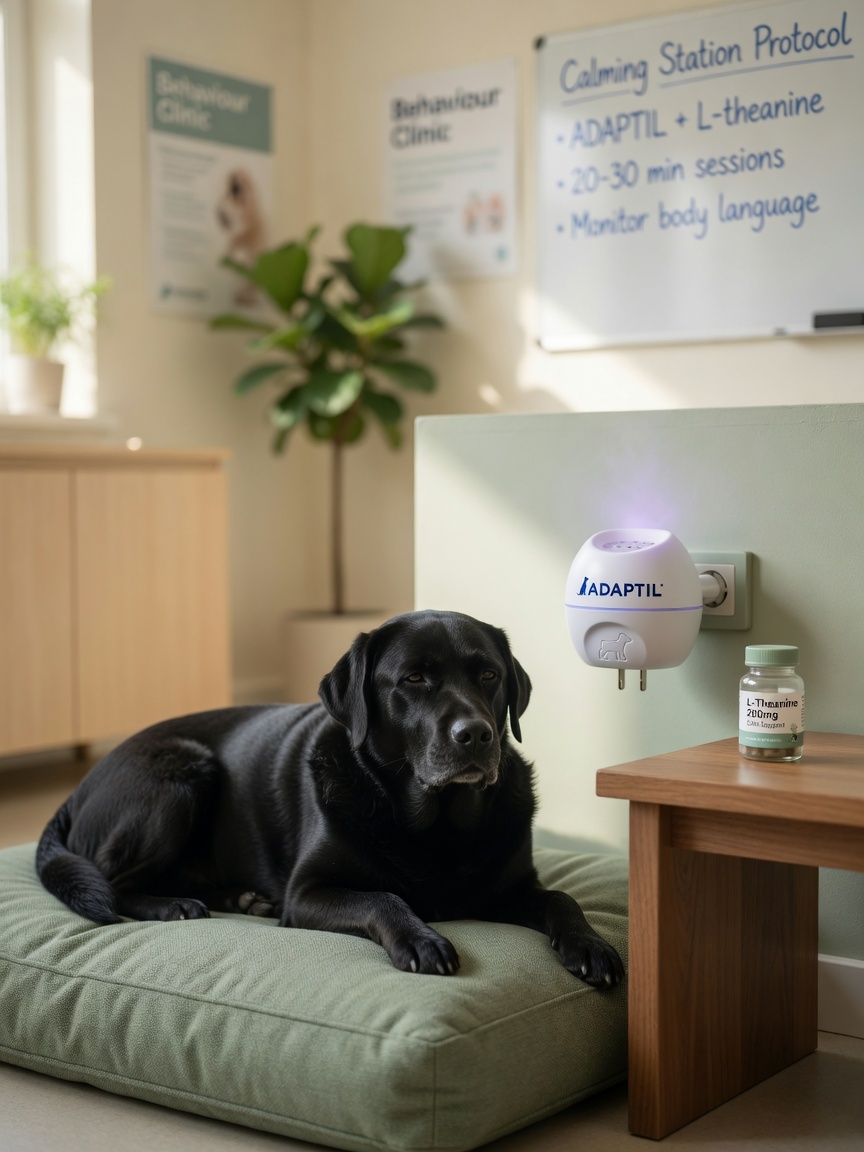
L-theanine is an amino acid found naturally in green tea. Several studies in dogs suggest it may promote calmness by influencing neurotransmitters, particularly GABA and serotonin. One placebo-controlled trial found that dogs given L-theanine showed reduced anxiety-related behaviours during thunderstorms compared to the control group. The evidence is not overwhelming, but it is more rigorous than what exists for many other natural options. Products such as Zylkene Calm and various combined supplements include L-theanine as an active ingredient. It is generally well-tolerated and considered safe for most dogs.
DAP Pheromones (ADAPTIL)
Dog Appeasing Pheromone, or DAP, is a synthetic version of the natural pheromone produced by nursing mothers. ADAPTIL — available as a diffuser, collar, or spray — uses this compound to signal safety and calm to dogs. The evidence here is among the strongest for any non-pharmaceutical anxiety product. Multiple peer-reviewed studies have demonstrated benefits for separation anxiety, travel stress, and noise phobia. ADAPTIL is recommended by many veterinary behaviourists as a first-line adjunct to behavioural therapy. It is widely available across the EU, including on Zooplus, where both the collar and diffuser formats can be found.
Zylkene (Hydrolysed Milk Protein)
Zylkene contains alpha-casozepine, a peptide derived from hydrolysed cow's milk protein. It acts on the same receptors as benzodiazepine drugs, though far more gently. Several studies support its use for situational stress in dogs — for example, during fireworks season or a house move. It is not sedating and does not cause dependency, which makes it appealing for short-term use. Zylkene is available without prescription across most EU countries and is sold on Zooplus in various pack sizes.
Natural Options With Limited Evidence
Valerian
Valerian root is widely promoted for anxiety in both humans and animals. While some evidence exists for its sedative properties in people, canine-specific research is sparse. Most studies are small, poorly controlled, or conducted in other species. Valerian may have a mild calming effect in some dogs, but at present it is not possible to make strong claims about its reliability or optimal dosage. It is not harmful at typical supplement doses, but expectations should be modest.
Chamomile
Chamomile is another popular herbal remedy with a long history of use for calming. In dogs, direct evidence is very limited. Most support for chamomile as an anxiolytic comes from human studies or in vitro research. It is generally safe in small amounts, though large quantities can cause digestive upset. If you choose to try chamomile, use products specifically formulated for dogs rather than human teas, which may contain other ingredients that are unsuitable for animals.
Lavender Aromatherapy
Lavender essential oil is often cited as a natural anxiolytic for dogs. A small number of studies — notably one examining dogs in rescue kennels — found that lavender diffusion appeared to reduce activity and vocalisation. However, the research is limited in scope and methodology. It is also important to note that essential oils can be toxic to dogs if applied directly to the skin or if the dog ingests them. Diffusion in a well-ventilated space is generally considered safer, but caution is always warranted. Lavender should never be applied undiluted to a dog's coat or skin.
Behavioural Approaches: The Foundation of Anxiety Management
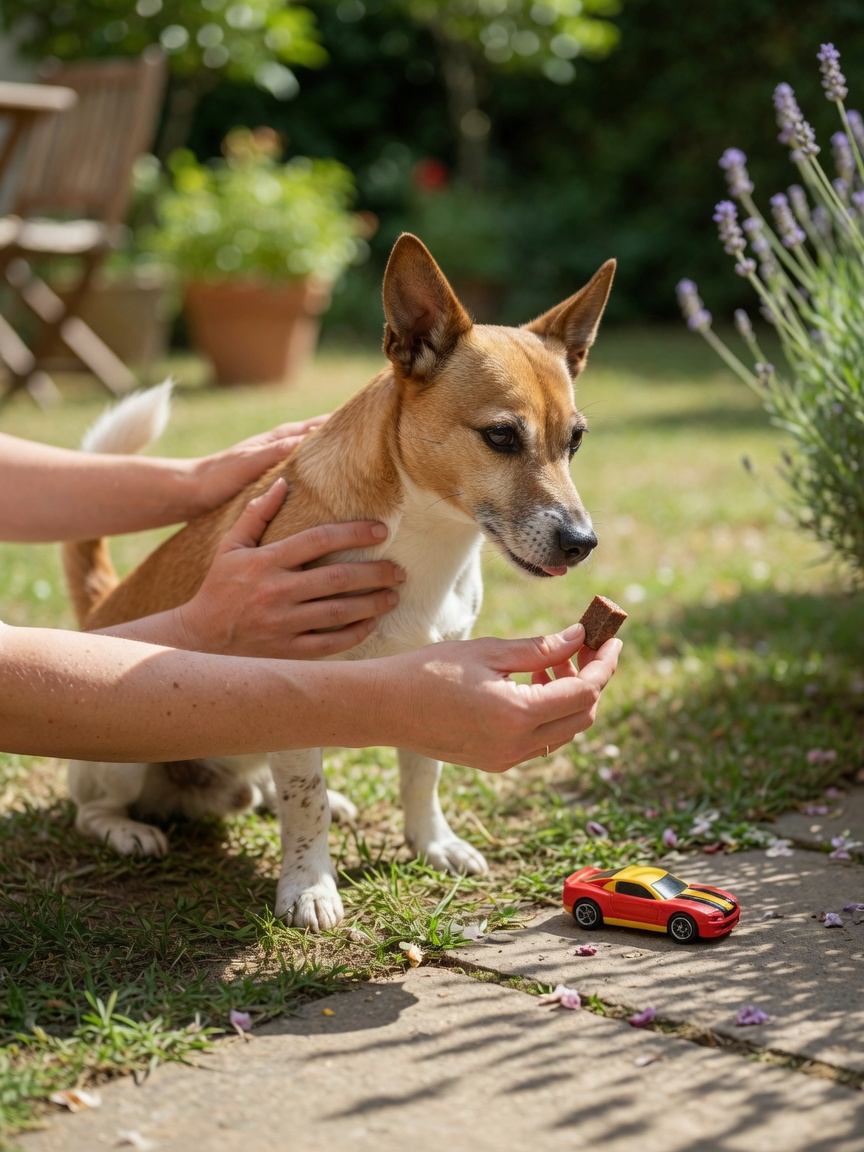
Natural supplements work best as a complement to behavioural strategies, not a replacement for them. Desensitisation is one of the most evidence-backed techniques for anxiety reduction. The process involves gradually exposing your dog to the anxiety trigger at a very low intensity — so low it does not cause a stress response — and rewarding calm behaviour throughout. Over time, the intensity is slowly increased.
For separation anxiety specifically, this means practising very short departures and gradually building duration. Counter-conditioning pairs the feared stimulus with something the dog loves, such as high-value food, to change the emotional association. These techniques require time and consistency, but they address the root cause rather than simply masking symptoms.
Exercise and mental enrichment also play a meaningful role. A dog who is adequately stimulated and tired is generally less reactive to anxiety triggers. Puzzle feeders, sniff walks, and training sessions all contribute to overall wellbeing.
When to Involve a Vet or Behaviourist
Natural remedies and behavioural strategies are appropriate starting points for mild to moderate anxiety. However, if your dog's anxiety is severe — particularly if it involves self-harm, aggression, or complete inability to function — professional help is essential. A veterinary behaviourist or a certificated clinical animal behaviourist can design a structured behaviour modification plan and, where necessary, recommend prescription medication.
Prescription options such as fluoxetine or clomipramine are sometimes used alongside behaviour therapy for severe cases. These are not a shortcut, but for dogs in genuine distress, delaying appropriate treatment in favour of natural remedies is not in the animal's best interest. Always consult your vet before starting any supplement if your dog takes other medications or has underlying health conditions.
Practical Tips for Getting Started
- Identify the specific anxiety trigger before choosing a remedy — different products suit different situations.
- Give any supplement a fair trial of at least four to six weeks before concluding it is not working.
- ADAPTIL pheromone products are a sensible first choice given the weight of evidence behind them.
- Combine any supplement with behavioural support for the best chance of improvement.
- Purchase products from reputable sources such as Zooplus or your veterinary practice to ensure quality and appropriate formulation.
- Keep a diary of your dog's anxiety episodes — it helps track progress and informs discussions with your vet.
The Bottom Line
Natural remedies for dog anxiety range from reasonably well-evidenced options like ADAPTIL pheromones and Zylkene to less-studied herbs like valerian and chamomile. None of them are magic solutions, and none replace good behavioural support. Used thoughtfully, as part of a wider management plan, several of these products can make a meaningful difference to a dog's comfort and quality of life. When in doubt, your vet is always the best first port of call.