
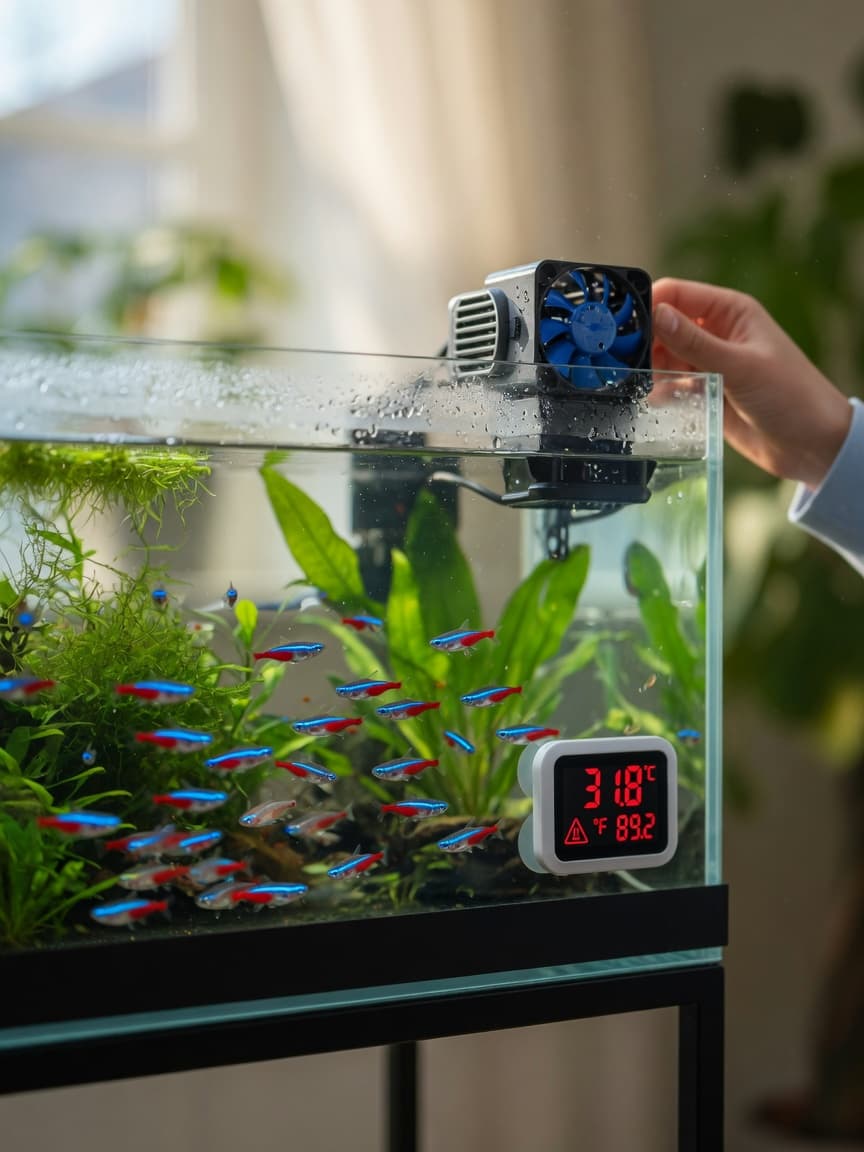
Maintaining the correct water temperature is absolutely crucial for the health and wellbeing of your aquatic pets. Whether you're keeping tropical fish, delicate invertebrates, or aquatic plants, temperature fluctuations can cause stress, disease, and even death. High water temperature is one of the most common problems aquarium enthusiasts face, particularly during warmer months or in centrally heated homes. This comprehensive guide will show you practical, evidence-based methods to keep your aquarium cool and your pets thriving.
Understanding Why Temperature Matters
Fish and other aquatic creatures are cold-blooded, meaning they rely entirely on their environment to regulate body temperature. When water becomes too warm, several problems occur simultaneously: oxygen levels drop dramatically, metabolic rates increase, and fish become stressed and susceptible to bacterial infections and parasites. Most tropical aquariums should maintain temperatures between 24-26°C, whilst coldwater species require significantly cooler conditions. Even a few degrees above the ideal range can create serious health consequences.
Natural Cooling Methods
Before investing in expensive equipment, try these simple, cost-effective approaches:
- Improve air circulation: Open windows and use fans to increase air movement around the tank. Stagnant air accelerates temperature rise.
- Reduce direct sunlight: Move your aquarium away from windows and bright light sources. Sunlight creates a greenhouse effect that rapidly heats water.
- Turn off unnecessary lights: Aquarium lights generate heat. Reduce lighting hours or switch to LED lights, which produce significantly less heat.
- Perform more frequent water changes: Partial water changes with cooler (but not cold) water can gradually lower temperature without shocking your fish.
- Add frozen water bottles: Freeze distilled water in bottles and float them in the aquarium. Monitor temperature closely to avoid cooling too quickly.
Equipment-Based Solutions
If natural methods aren't sufficient, aquarium coolers are highly effective. Chiller units actively remove heat from the water and are essential for maintaining sensitive species or in warm climates. Alternatively, powerhead fans that blow air across the water surface increase evaporative cooling—a reliable and affordable option. Always measure temperature daily when using new cooling methods to find the right balance.
Long-Term Prevention Strategies
Preventing temperature problems is far easier than solving them:
- Invest in a reliable aquarium thermometer to monitor water temperature twice daily
- Position your tank in the coolest room of your home, away from radiators and direct sunlight
- Ensure adequate water circulation with appropriate filtration systems
- Consider aquarium size carefully—larger bodies of water heat and cool more slowly than small tanks
- Maintain regular maintenance schedules, as dirty filters reduce water circulation
Emergency Measures for Heat Spikes
During heatwaves or unexpected temperature surges, act quickly. Perform immediate partial water changes with cooler water, increase aeration with air stones, and remove any objects that absorb and retain heat. Never make sudden, dramatic changes—this shocks fish far more than gradually elevated temperatures. Lower the temperature by no more than 1°C per hour.
Key Takeaways
Maintaining optimal aquarium temperature protects your pets' health and prevents costly veterinary interventions. Start with simple, natural cooling methods before moving to specialised equipment. Monitor your water temperature consistently, keep detailed records, and make adjustments gradually. By combining good husbandry practices with appropriate cooling solutions tailored to your specific setup, you'll create a stable, healthy environment where your aquatic pets can flourish. Remember—prevention is always better than crisis management.