
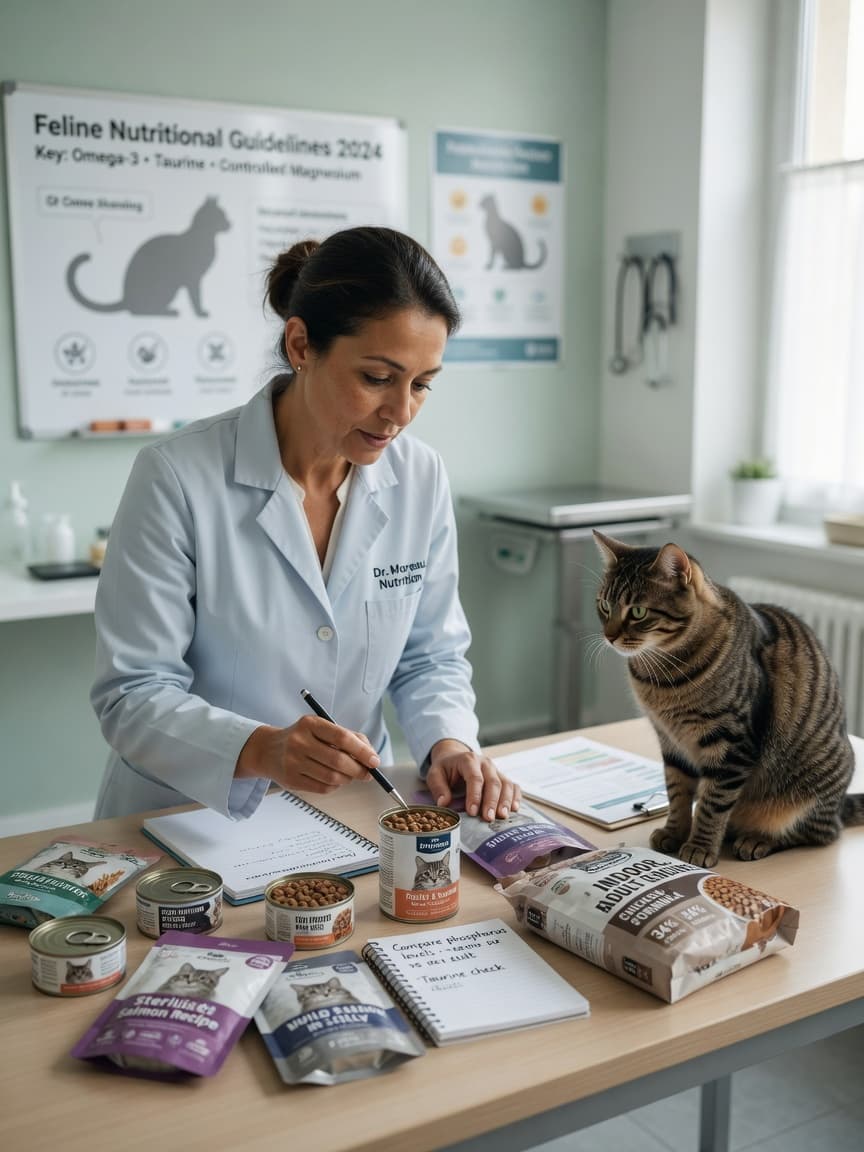
Choosing the right cat food is one of the most important decisions you'll make for your feline companion's health and longevity. With countless options lining pet shop shelves, it's easy to feel overwhelmed. As a veterinary nutritionist, I've seen firsthand how diet affects everything from coat quality to digestive health and energy levels. The good news? Picking the best cat food doesn't require a degree in nutrition—just a bit of knowledge and a clear understanding of what your cat actually needs.
Understand Your Cat's Nutritional Requirements
Unlike dogs, cats are obligate carnivores, meaning they require meat-based proteins to thrive. This is fundamental to understanding feline nutrition. Cats need specific amino acids, particularly taurine, which they cannot manufacture themselves. They also require vitamin A and arachidonic acid—nutrients found primarily in animal tissues.
When assessing cat food, look for the following:
- High-quality animal-based proteins as primary ingredients (chicken, fish, turkey, or beef)
- Adequate taurine levels (should be listed on the label)
- Moderate fat content to support healthy skin and coat
- Low carbohydrate levels, as cats digest carbs poorly
Read the Label Properly
Learning to read pet food labels is crucial. In the UK and EU, manufacturers must list ingredients in descending order by weight. This means the first few ingredients should be your primary concern. Avoid foods where grains like corn or wheat appear in the top five ingredients, or where "meat by-products" and "animal derivatives" are vague primary components.
Check the guaranteed analysis section for crude protein percentages. Cats should ideally consume food with at least 26-40% protein content. Also note the crude ash percentage—excessively high ash levels (above 8%) may indicate mineral imbalances, particularly concerning for male cats prone to urinary issues.
Consider Your Cat's Life Stage and Health Status

Nutritional needs vary throughout your cat's life. Kittens require higher calories and protein for growth, whilst senior cats (aged 10+) may benefit from joint-supporting nutrients and modified calorie levels if they're less active. If your cat has specific health conditions—such as diabetes, kidney disease, or urinary crystals—prescription or therapeutic diets may be necessary. Always consult your vet before switching to specialised formulas.
Wet Food vs. Dry Food

Both formats have merits. Dry food is convenient and supports dental health through gentle abrasion. However, wet food typically contains more moisture, which supports urinary tract health and is particularly beneficial for cats with lower thirst drives.
Many vets recommend a combination approach:
- Primarily feed high-quality wet food as the main diet
- Use dry food as supplementary meals or treats
- Ensure adequate fresh water access throughout the day
Watch for Feeding Trials and AAFCO Standards
Look for foods that have undergone AAFCO (Association of American Feed Control Officials) feeding trials rather than merely meeting analytical standards. Feeding trials involve actual cats eating the food under controlled conditions, providing real-world evidence of digestibility and nutritional adequacy. This certification offers greater assurance of quality.
Transition Gradually and Monitor Results
When switching cat foods, transition over 7-10 days, gradually mixing increasing amounts of the new food with the old. Monitor your cat's coat condition, energy levels, litter box habits, and overall health. A quality diet should result in a shiny coat, healthy weight, and consistent digestion.
Key Takeaways
The best cat food prioritises high-quality animal proteins, meets AAFCO standards, and suits your individual cat's age and health status. Read labels carefully, favour meat-based ingredients, and consult your vet if your cat has special dietary needs. Remember, investing in quality nutrition now can prevent costly health issues later. Your cat's wellbeing is worth it.