
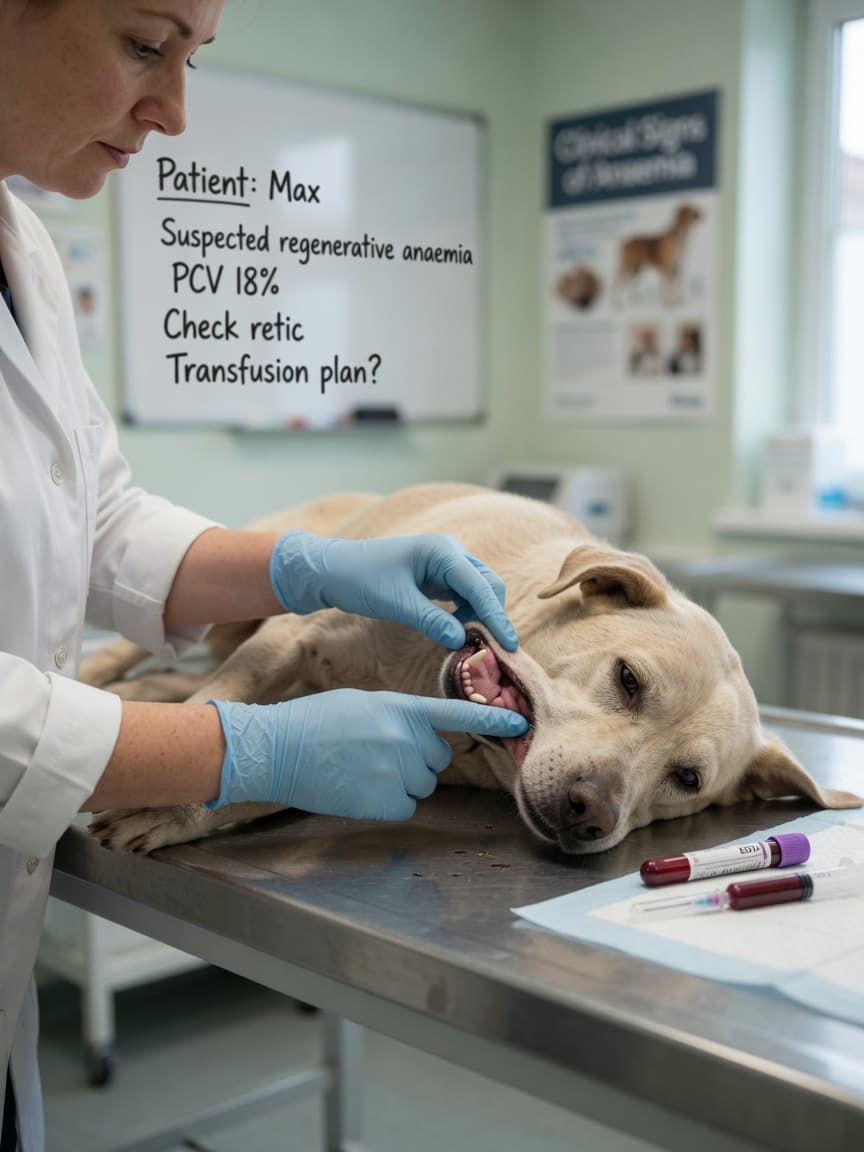
What Is Anaemia in Dogs?
Anaemia is defined as a reduction in the number of circulating red blood cells (RBCs), the haemoglobin they carry, or both. Red blood cells are responsible for transporting oxygen to every tissue in the body, so when their numbers fall significantly, the consequences affect every organ system. Anaemia is not a disease in itself but a clinical sign of an underlying problem — identifying that problem is the crux of effective management.
Veterinarians classify anaemia into two broad categories based on the bone marrow's response:
- Regenerative anaemia: The bone marrow is actively producing new red blood cells (reticulocytes) to compensate for loss. This is typically seen with haemorrhage (bleeding) or haemolysis (destruction of RBCs).
- Non-regenerative anaemia: The bone marrow is not responding adequately. This occurs in chronic disease, renal failure (reduced erythropoietin), nutritional deficiencies, or primary bone marrow disorders such as aplastic anaemia or infiltrative neoplasia.
Common Causes of Anaemia in Dogs
Haemorrhage
Blood loss can be acute (trauma, surgery, rat poison/anticoagulant rodenticide ingestion, gastrointestinal haemorrhage from ulcers or tumours) or chronic (hookworm infestation, a slow-bleeding gastrointestinal mass, or chronic urinary bleeding). Acute severe haemorrhage is life-threatening and requires emergency intervention.
Haemolytic Anaemia
Haemolysis — premature destruction of red blood cells — can occur through several mechanisms. Immune-mediated haemolytic anaemia (IMHA) is the most common cause of haemolysis in dogs. In IMHA, the immune system mistakenly targets and destroys the dog's own red blood cells. It may be primary (idiopathic, with no identifiable trigger) or secondary to an underlying cause such as infection, neoplasia, or certain drug reactions. IMHA is a serious and potentially life-threatening condition. Other causes of haemolysis include blood parasites (Babesia species, transmitted by ticks), zinc toxicity, and certain inherited red blood cell defects.
Anaemia of Chronic Disease
Dogs with chronic inflammatory, infectious, or neoplastic conditions often develop a mild to moderate anaemia as a consequence of prolonged systemic inflammation. This is typically non-regenerative and mild in severity.
Bone Marrow Failure
Aplastic anaemia (failure of the bone marrow to produce blood cells), immune-mediated destruction of bone marrow precursors, or neoplastic infiltration of the bone marrow can all cause non-regenerative anaemia, often severe and accompanied by reductions in white blood cells and platelets.
Clinical Signs of Anaemia

The severity of signs depends on how quickly the anaemia develops and how low the red blood cell count falls. A dog whose anaemia develops gradually may compensate remarkably well before showing obvious signs. Key clinical signs include:
- Pale or white gums — the most readily observable sign at home
- Lethargy and weakness — reduced energy and reluctance to exercise
- Exercise intolerance — tiring rapidly on walks
- Rapid or laboured breathing — the body compensates for reduced oxygen delivery by increasing respiratory rate
- Rapid heart rate (tachycardia)
- Collapse or fainting (syncope) in severe cases
- Jaundice (yellow tinge to gums and eyes) — specifically in haemolytic anaemia, due to the breakdown products of destroyed red blood cells
- Dark or reddish urine (haemoglobinuria) — another sign of haemolysis
Diagnosis
The packed cell volume (PCV) or haematocrit is the simplest initial assessment of red blood cell mass and can be measured in minutes in a veterinary clinic. A full complete blood count (CBC) provides more detail, including the reticulocyte count (which distinguishes regenerative from non-regenerative anaemia), mean cell volume, and white blood cell and platelet counts.
A blood smear examination under the microscope is invaluable — it can reveal the presence of spherocytes (small, densely staining RBCs characteristic of IMHA), blood parasites, fragmented cells (schistocytes, suggesting microangiopathic haemolysis), or abnormal white cell morphology suggesting leukaemia.
The Coombs test (direct antiglobulin test) detects antibodies bound to red blood cells and is used to confirm a diagnosis of IMHA. Bone marrow aspiration or biopsy is indicated when non-regenerative anaemia cannot be explained by blood tests alone. Additional tests (coagulation profile, imaging, infectious disease serology) are selected based on the clinical picture. ECVIM-CA consensus guidelines provide a framework for the systematic approach to diagnosing and managing IMHA in small animals.
Treatment
Immune-Mediated Haemolytic Anaemia (IMHA)
IMHA is treated with immunosuppressive doses of corticosteroids (prednisolone or dexamethasone) as first-line therapy. Dogs with severe or refractory disease may require additional immunosuppressants such as mycophenolate mofetil, ciclosporin, or azathioprine. Anticoagulation (aspirin or heparin) is often added because IMHA significantly increases the risk of thromboembolic complications, including pulmonary thromboembolism.
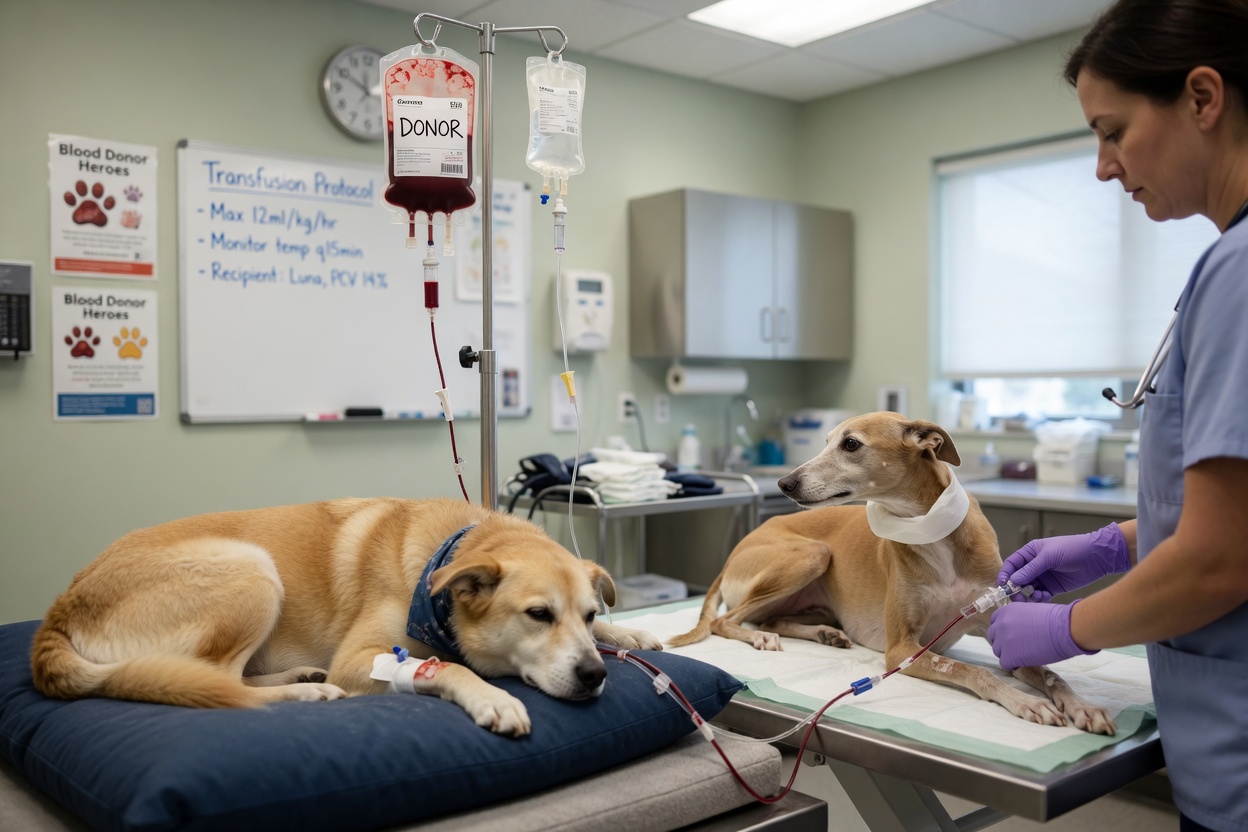
Blood Transfusions
Dogs with life-threatening anaemia (PCV below 12-15%) may require a packed red blood cell transfusion or whole blood transfusion to stabilise them while treatment takes effect. Blood typing and, ideally, cross-matching are performed beforehand to minimise transfusion reactions.
Treating the Underlying Cause
Where anaemia is secondary — to haemorrhage, parasitism, chronic disease, or toxin ingestion — addressing the primary cause is essential. Iron supplementation may be used in cases of chronic blood loss with iron deficiency.
Prognosis
Prognosis depends entirely on the cause. IMHA carries a mortality rate of around 30-40% in the acute phase, but dogs that survive the first week and respond to treatment often go on to do well, though relapses can occur. Anaemia secondary to a treatable underlying condition generally resolves with appropriate management of that condition.
When to Go to an Emergency Vet
Anaemia can deteriorate rapidly. Seek emergency care immediately if your dog:
- Has white or very pale gums
- Is breathing rapidly at rest or appears to be struggling to breathe
- Collapses or cannot stand
- Has yellow-tinged eyes or gums
- Passes bloody or very dark (tarry) faeces
- Shows sudden extreme weakness or fainting
This article was written by Julia Wrenfield. Always consult a registered veterinary surgeon for advice specific to your pet.