
The Debate Every Dog Owner Has Had
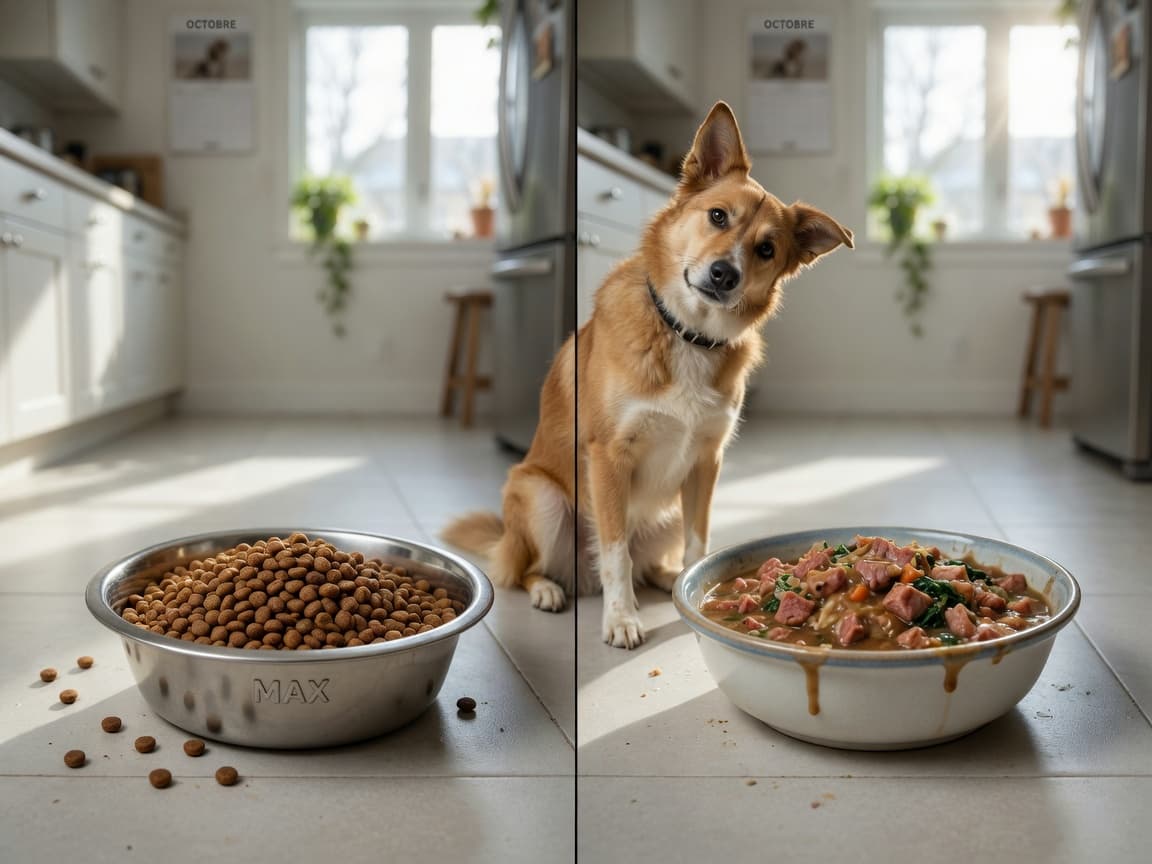
Few topics in canine nutrition generate more passionate opinions than the wet food versus dry food debate. Visit any online pet forum and you will find confident claims on both sides — wet food is more natural and hydrating, dry food cleans teeth and is more economical. As someone who has spent over a decade working with animals and studying pet nutrition, my honest answer is that neither format is categorically superior. What matters far more is the quality of ingredients and whether the food meets your individual dog's needs.
Understanding What the Formats Actually Are
Dry dog food, commonly called kibble, is made by combining ingredients, cooking them under high heat and pressure through a process called extrusion, then drying them to a low moisture content, typically around 8% to 12%. This process extends shelf life considerably and allows for convenient storage and portion control.
Wet food, whether tinned, pouched, or found in trays, contains significantly more moisture — typically between 70% and 85%. The ingredients are cooked and sealed in their packaging, which creates the preservation environment without requiring the extreme heat used in extrusion. This generally results in less processing of heat-sensitive nutrients.
Where Wet Food Holds a Genuine Advantage
Hydration
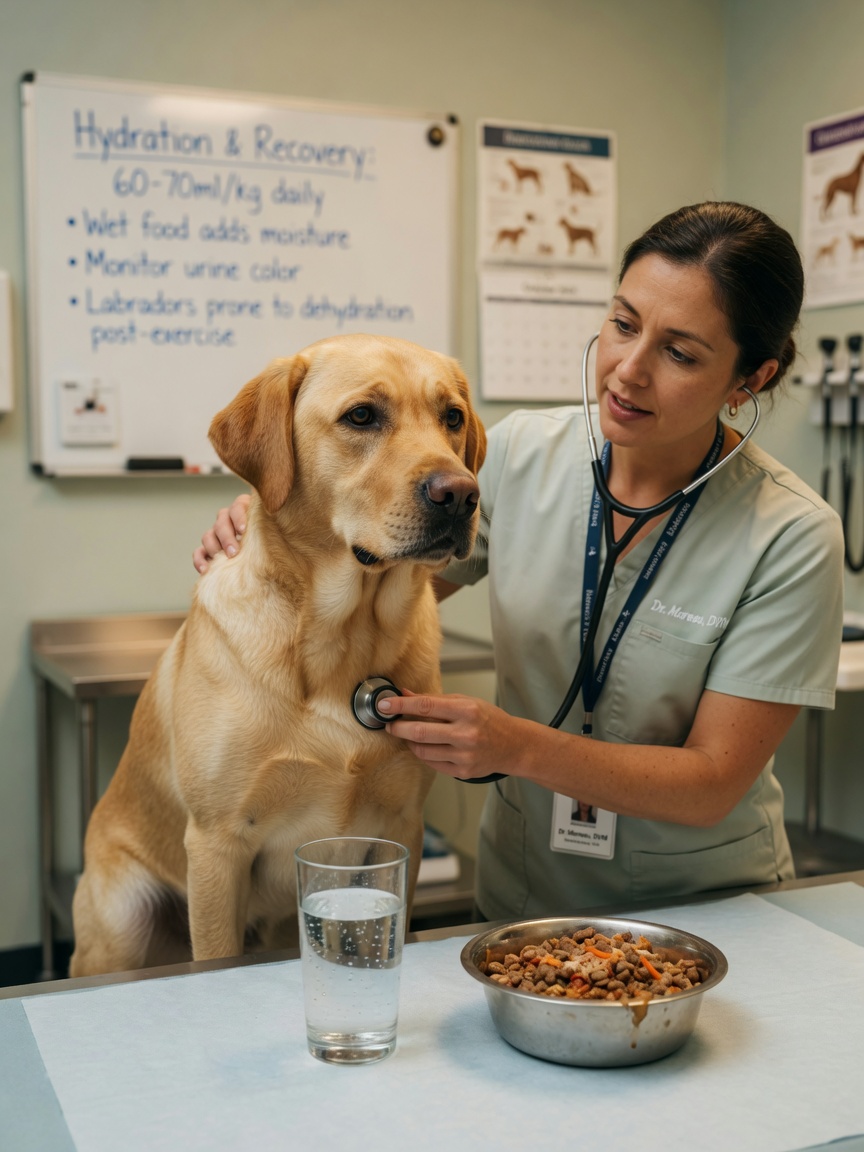
The most clinically meaningful advantage of wet food is its moisture content. Dogs who eat dry food exclusively often have lower total daily water intake than those eating wet food, even when fresh water is freely available. This matters particularly for dogs with a history of urinary tract infections, struvite or calcium oxalate crystals, or early kidney disease, where increasing fluid intake is a standard recommendation.
A dog eating 400g of wet food per day is consuming roughly 280 to 340ml of water from their food alone. A dog eating the equivalent caloric amount of dry kibble may get as little as 30 to 50ml. This difference is physiologically significant in vulnerable individuals.
Palatability
Wet food is generally more palatable to dogs. The higher moisture content releases more volatile aromatic compounds, which dogs detect primarily through their extraordinarily sensitive sense of smell. This makes wet food particularly useful for dogs with reduced appetite due to illness, dental pain, or the natural decline in enthusiasm for food seen in some older dogs. It is also helpful when transitioning a fussy dog onto a new diet.
Satiety at Lower Calories
For dogs needing to lose weight, wet food can be useful because its higher water and often higher protein content relative to calorie density can increase the sense of fullness. A dog may eat a larger apparent volume of wet food for the same caloric intake, which can ease the psychological difficulty of calorie restriction for both dog and owner.
Where Dry Food Holds a Genuine Advantage
Practicality and Cost
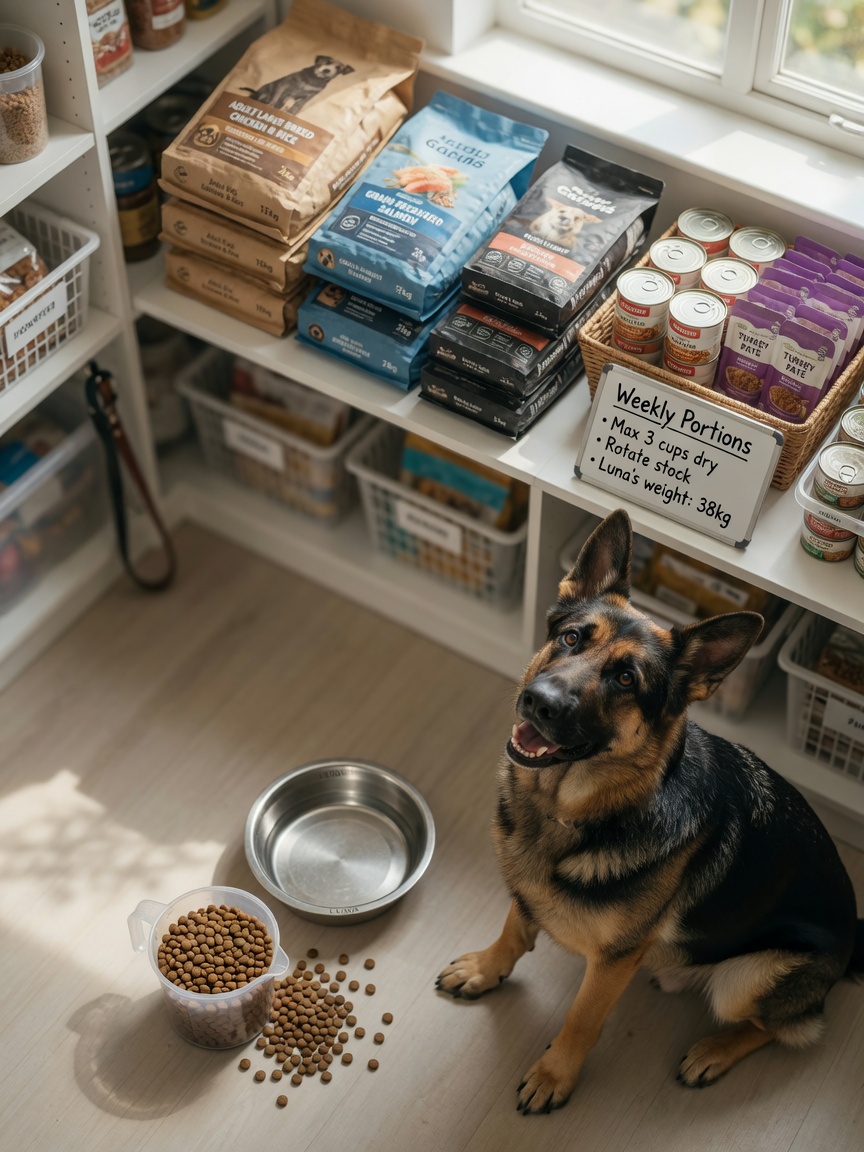
Dry food is considerably less expensive per calorie than wet food. It is easier to store, does not require refrigeration after opening in the same way, and can be left out for free-choice feeding without spoiling as rapidly. For owners of large or giant breed dogs with correspondingly large daily food requirements, this cost difference is substantial over months and years.
Dental Health — With Important Caveats
The claim that dry food cleans teeth is one of the most overused marketing statements in pet nutrition, and it is only partially true. Standard kibble has minimal meaningful mechanical effect on dental plaque at the gum line, where periodontal disease actually develops. A dog biting through a piece of kibble encounters less resistance than chewing a raw carrot or a dental chew.
However, certain dry foods are specifically formulated for dental health — they are made with a larger kibble size and a particular texture designed to create mild abrasion against the tooth surface as the dog chews through them. These are not the same as standard kibble. Look for the Veterinary Oral Health Council seal of acceptance if dental health is your primary motivation for choosing dry food.
What Does the Research Actually Say?
Direct comparative studies of wet versus dry food in healthy adult dogs are limited. Most research focuses on specific health conditions rather than the broad question of which format is healthier for typical dogs. A 2011 study in the British Journal of Nutrition examining dogs fed wet versus dry diets found differences in faecal characteristics and apparent digestibility of protein and fat, but these differences did not translate to meaningful differences in overall health outcomes in the healthy dogs studied.
What research does consistently support is that diet quality, defined by ingredient quality, manufacturing standards, and nutritional balance, predicts health outcomes far more reliably than food format.
Combination Feeding as a Practical Middle Ground
Many veterinary nutritionists, myself included, see combination feeding as an eminently practical approach. Feeding a portion of wet food and a portion of dry food at each meal or alternating between them provides the hydration benefits and palatability of wet food alongside the practicality and cost savings of dry food. This approach also tends to reduce the risk of extreme food finickiness that can develop in dogs fed only one very palatable food exclusively.
- When combining formats, calculate calories from each component to avoid unintentional overfeeding.
- Introduce any new food gradually over seven to ten days to avoid digestive upset.
- Both components should be complete and balanced, or the combination should be specifically formulated to be nutritionally complete when fed together.
- Store opened wet food in the refrigerator and use within 48 hours.
Special Circumstances Where the Choice Genuinely Matters
For most healthy adult dogs, the wet versus dry decision comes down to lifestyle, budget, and individual preference — both the dog's and the owner's. However, there are specific situations where one format has a clear evidence-based advantage.
Dogs with urinary issues, kidney disease, or any condition where increased water intake is beneficial should be given a strong lean toward wet food or encouraged to eat wet food as at least a component of their diet. Dogs with missing teeth, severe dental disease, or post-surgical oral restrictions should eat wet food while the condition persists. Dogs with extremely low appetite due to illness often respond better to the enhanced palatability of wet food.
The Real Question to Ask
Rather than asking whether wet or dry food is better in the abstract, the more useful question is: does this specific product, in this specific format, meet my specific dog's nutritional needs at this stage of their life? Look for foods that meet AAFCO nutritional profiles for your dog's life stage, have undergone feeding trials, and list quality named protein sources prominently in the ingredient list.
Format is a vehicle. Nutrition is the destination. A mediocre wet food is not better than an excellent dry food simply because it contains more moisture, and a premium kibble is not automatically superior to a well-formulated wet food. Evaluate what is in the food before you consider how it was made.