
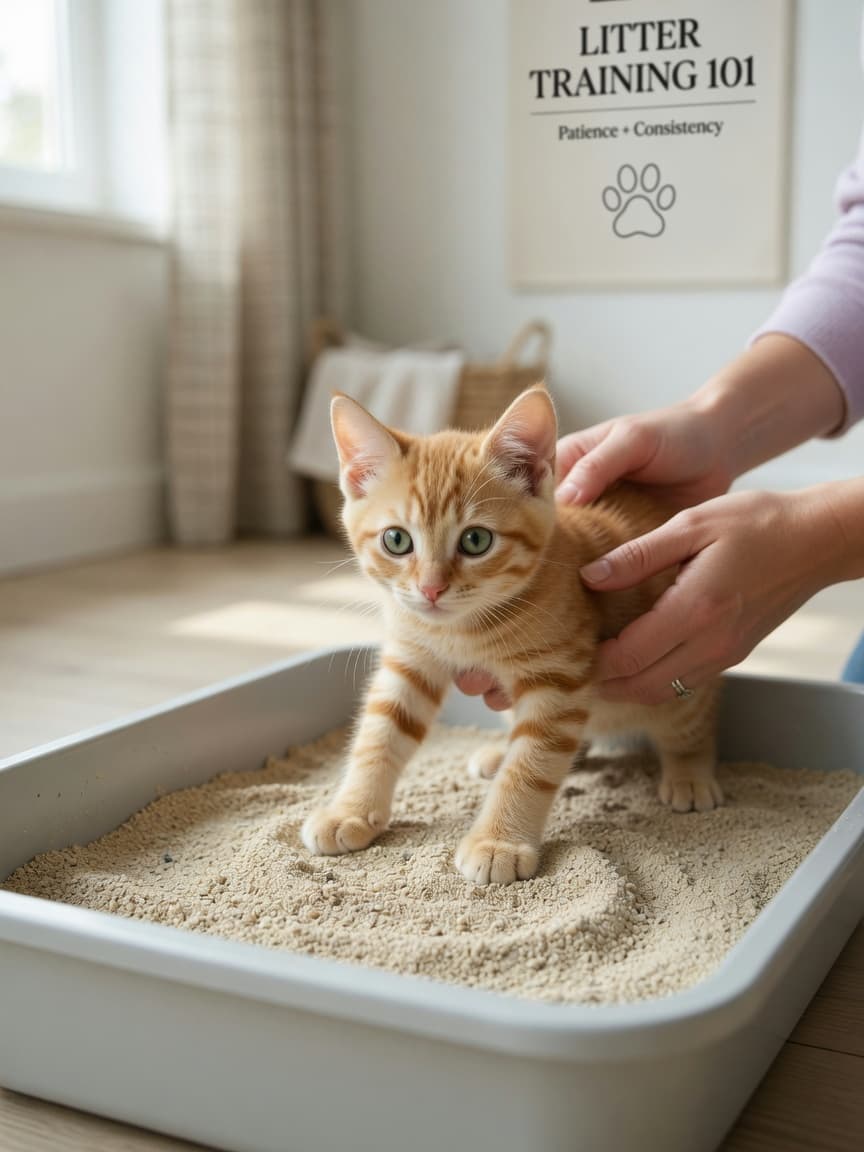
Litter training is one of the most rewarding aspects of kitten ownership, and the good news is that most kittens are naturally inclined to use a litter box. Unlike puppies, who require extensive toilet training, kittens instinctively seek out loose substrate for their bathroom needs. However, guiding this natural behaviour in the right direction requires patience, consistency, and understanding of your kitten's developmental needs. In this guide, I'll walk you through the essential steps to ensure your kitten becomes reliably litter trained, creating a harmonious home environment for both of you.
Understanding Your Kitten's Natural Instincts
Kittens are born with an innate drive to bury their waste, which makes litter training significantly easier than training puppies. Mother cats begin teaching this behaviour within weeks of birth. By the time your kitten arrives home, typically at 8-12 weeks old, they've already learned the basics from observing their mother. Your role is simply to reinforce this natural behaviour and create the right environment for success.
Setting Up the Perfect Litter Box Environment
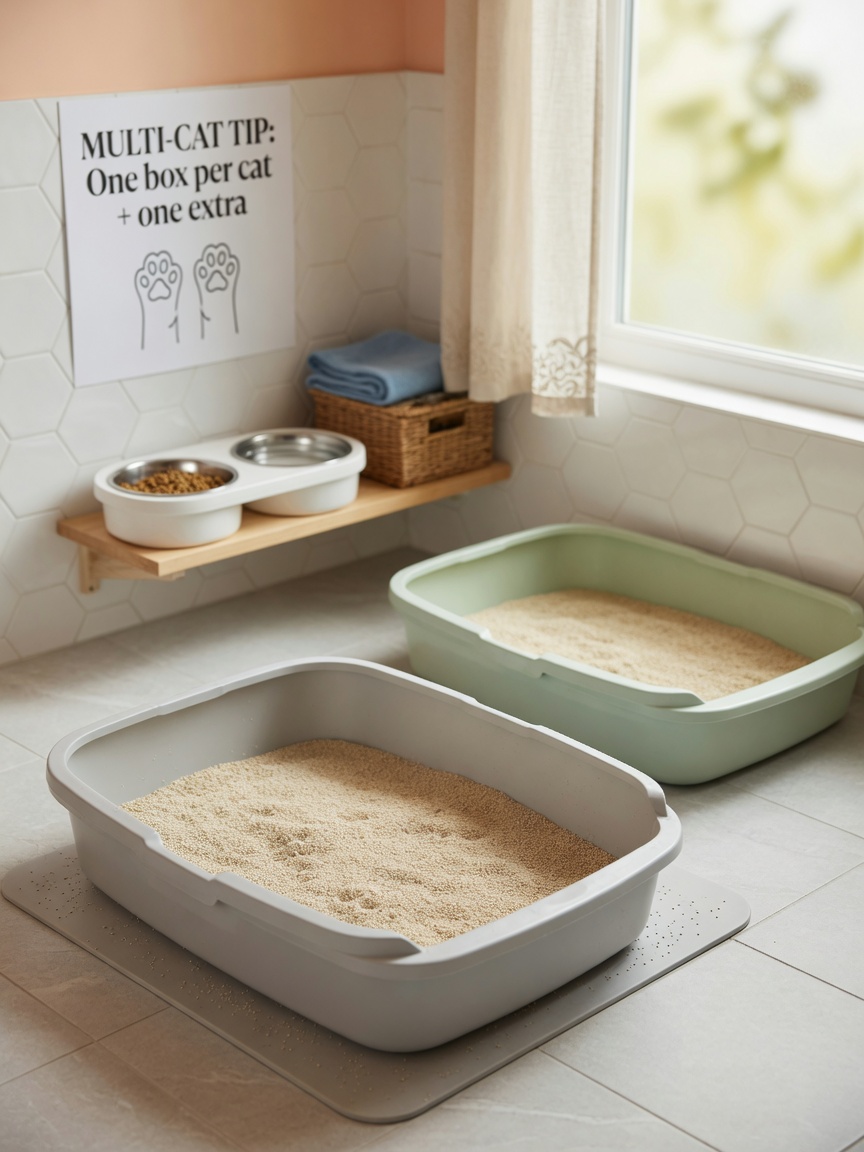
Location and setup are crucial factors in successful litter training.
- Choose quiet, accessible locations: Place litter boxes away from food and water bowls, as cats naturally avoid soiling near their eating areas. Ensure boxes are easily accessible without having to navigate obstacles or stairs.
- Multiple boxes: The golden rule is one box per kitten, plus one extra. This prevents territorial disputes and gives kittens options if one box is being used.
- Box size and type: Select a box that's at least 1.5 times the length of your kitten. Open boxes work best for young kittens, as they offer easy access and visibility. Avoid covered boxes initially, as kittens may find them intimidating.
- Litter type: Use fine-grained, unscented litter initially. Some kittens have preferences for certain textures, so observe your kitten's behaviour before making changes.
The Initial Training Process
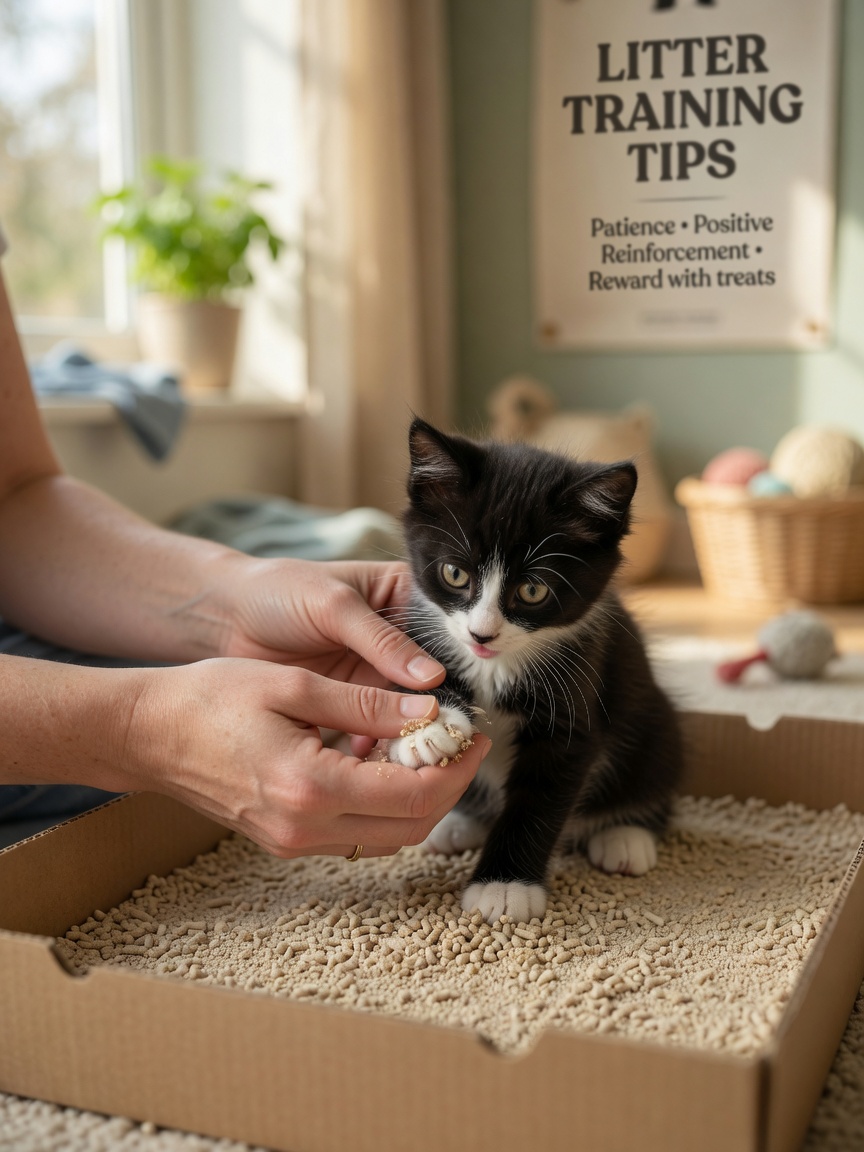
Begin litter training immediately upon bringing your kitten home.
- Place your kitten in the litter box upon arrival and at key times: after meals, after play sessions, and before bedtime.
- Gently take their paw and make a scratching motion in the litter to demonstrate the behaviour.
- Praise enthusiastically and offer treats when they use the box successfully.
- Watch for signs they need to go: sniffing, circling, squatting, or scratching.
- Immediately place them in the litter box if you notice these signs.
Managing Accidents and Setbacks
Accidents will happen, and how you respond matters significantly. Never punish your kitten for mistakes—this creates fear and confusion. Instead, clean accidents thoroughly with enzymatic cleaners to remove all scent markers, which can encourage repeated toileting in the same spot. If your kitten consistently avoids the litter box, consult your veterinary surgeon to rule out medical issues such as urinary tract infections or digestive problems.
Troubleshooting Common Issues
Some kittens take longer than others to train reliably. If your kitten struggles, consider these factors:
- Is the litter box clean? Kittens prefer fresh litter and may refuse a dirty box.
- Could stress be a factor? Moving homes and separation from littermates is disorienting.
- Has there been a recent change in litter brand or box location?
- Is the box large enough and easily accessible for your kitten's size?
Key Takeaways for Success
Successful litter training relies on consistency, patience, and creating an inviting environment. Most kittens achieve reliable litter training by 4-6 months old, though some take longer. Remember that every kitten is unique—what works for one may need adjustment for another. Stay positive, celebrate small victories, and maintain patience during the learning process. With proper setup and gentle guidance, your kitten will naturally develop excellent litter box habits that last a lifetime.