
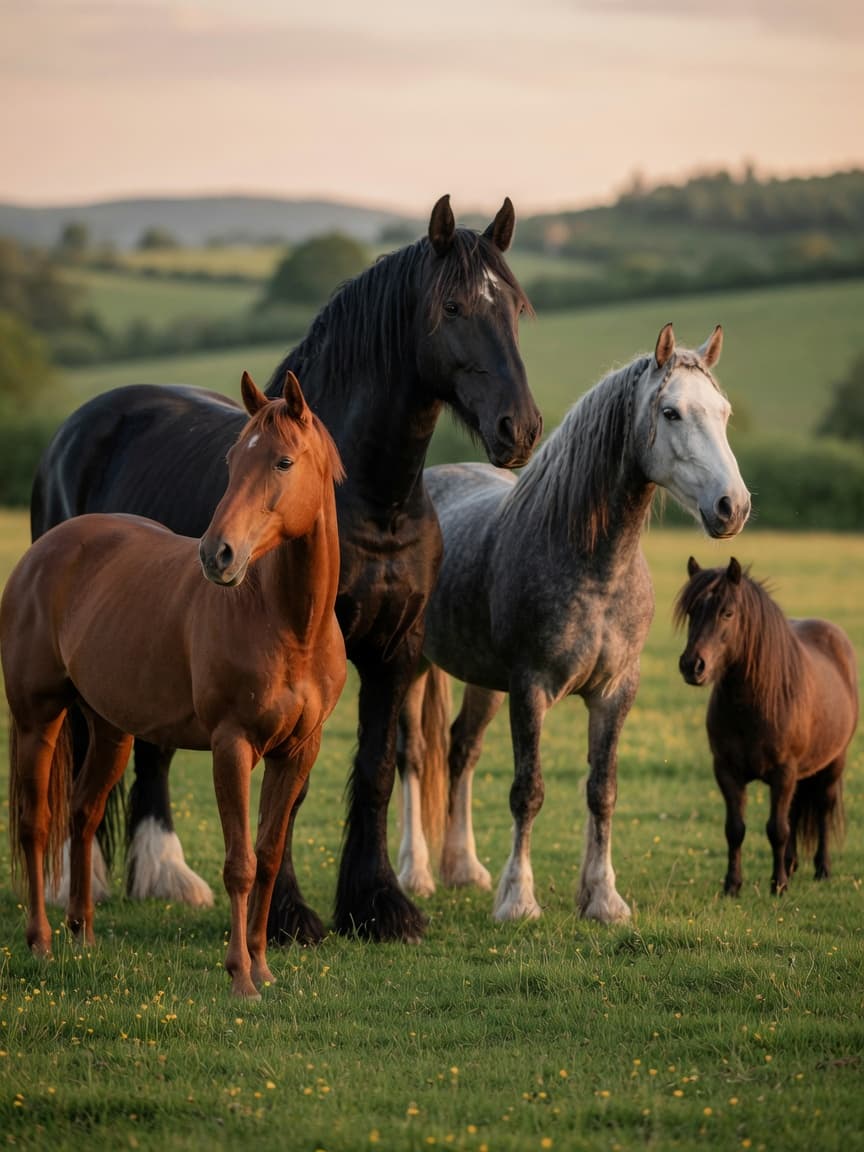
If you're a horse enthusiast or considering adding an equine companion to your family, you might be curious about the sheer diversity of horse breeds available worldwide. The answer isn't straightforward, as the number of recognised horse breeds varies depending on which registries and organisations you consult. Currently, there are approximately 300 to 400 distinct horse breeds globally, though this number continues to evolve as new breeds are developed and others are formally recognised. Whether you're interested in riding, driving, or simply understanding these magnificent animals better, knowing about the different breeds can help you appreciate their unique characteristics and suitability for various purposes.
Understanding Horse Breed Classification
Horse breeds are typically classified into several main categories based on their size, temperament, and historical purpose. The most common classification system divides horses into three primary groups: light horses (riding and driving), heavy horses (draft and agricultural work), and ponies (smaller equines under 14.2 hands high). Within these categories, breeds vary significantly in their physical attributes, behavioural traits, and suitability for different activities.
The variation in breed count stems from different countries maintaining their own breed registries. The Fédération Équestre Internationale (FEI) recognises hundreds of breeds, whilst individual nations may have their own specific registries and recognition standards. Some breeds are highly formalised with strict breeding standards, whilst others are less rigidly defined.
Major Horse Breed Categories
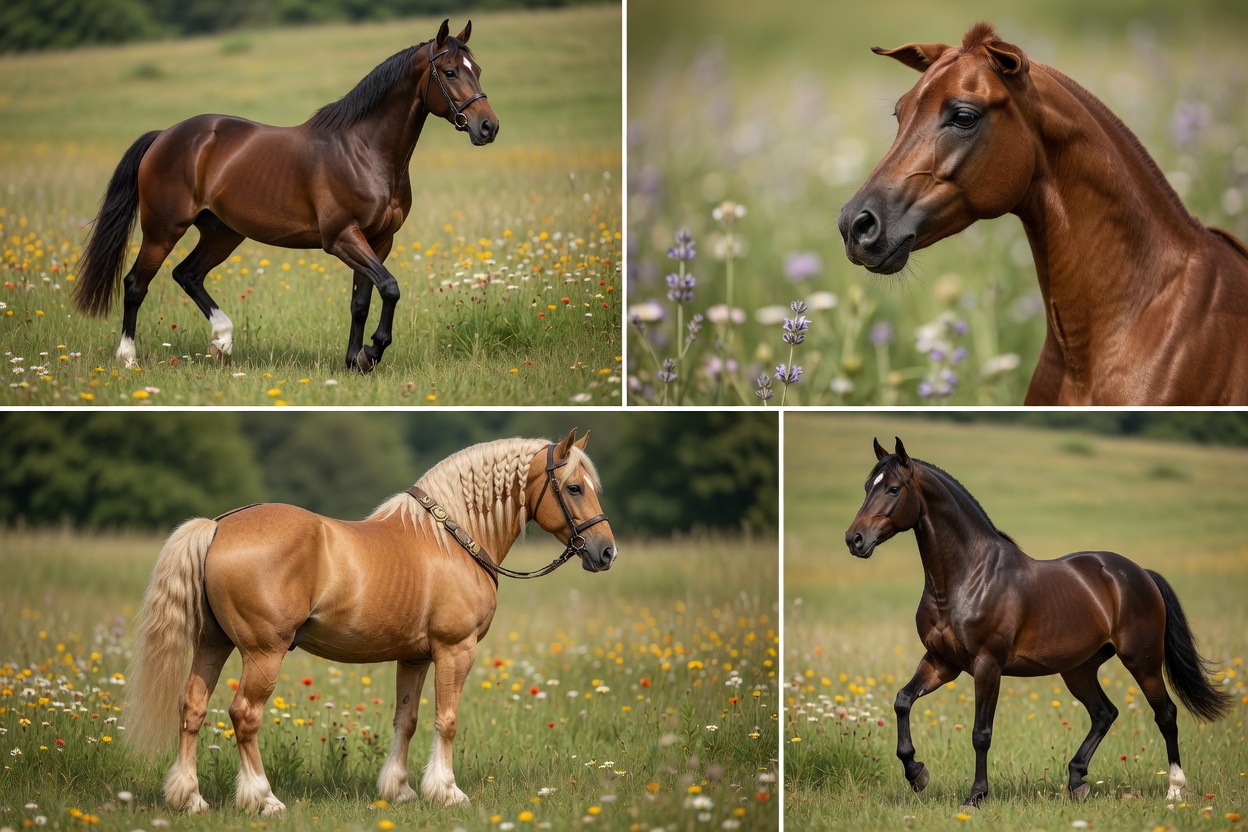
- Warmblood Horses: Popular for sport and riding, including breeds like the Hanoverian, Dutch Warmblood, and Belgian Warmblood
- Thoroughbreds and Arabians: Used for racing, endurance, and riding disciplines
- Heavy Horses: Including Shire, Percheron, and Clydesdale breeds, traditionally used for draft work
- Pony Breeds: Such as Shetland, Welsh, and Fell ponies, ideal for children and driving
- Gaited Horses: Including Tennessee Walkers and Icelandic horses, prized for their distinctive movement patterns
Regional Variations in Breed Recognition
Different regions have developed distinctive horse breeds suited to their climates and historical needs. Europe boasts the highest concentration of formally recognised breeds, with countries like Germany, France, and the Netherlands maintaining comprehensive registries. The United States has numerous breeds ranging from American Quarter Horses to American Paints. Meanwhile, countries across Asia, Africa, and South America have indigenous breeds with centuries of history, such as the Arabian and the Akhal-Teke.
Why the Number Varies
The inconsistency in breed numbers results from several factors:
- Different registration standards and breeding requirements across organisations
- Overlap between similar breeds with regional variations
- Breeds becoming extinct whilst new ones are developed
- Recognition criteria varying by country and equestrian discipline
- Controversy surrounding what constitutes a distinct breed versus a colour variation or type
Choosing the Right Breed for Your Needs
If you're considering acquiring a horse, understanding breed characteristics is essential. Consider your experience level, intended use (riding, driving, sport, companionship), available space, and climate. Light horses generally suit riding disciplines, whilst heavy horses excel at pulling and agricultural tasks. Ponies are excellent for children or driving purposes. Researching specific breed temperaments, energy levels, and health predispositions will help you make an informed decision.
Key Takeaways
The world contains approximately 300 to 400 recognised horse breeds, though exact numbers depend on classification criteria and which registries you reference. These breeds represent thousands of years of selective breeding tailored to specific purposes and environments. Whether you're interested in sport, leisure riding, or agricultural work, there's likely a breed perfectly suited to your needs. Taking time to understand breed characteristics ensures you'll make the best choice for your circumstances and lifestyle.