
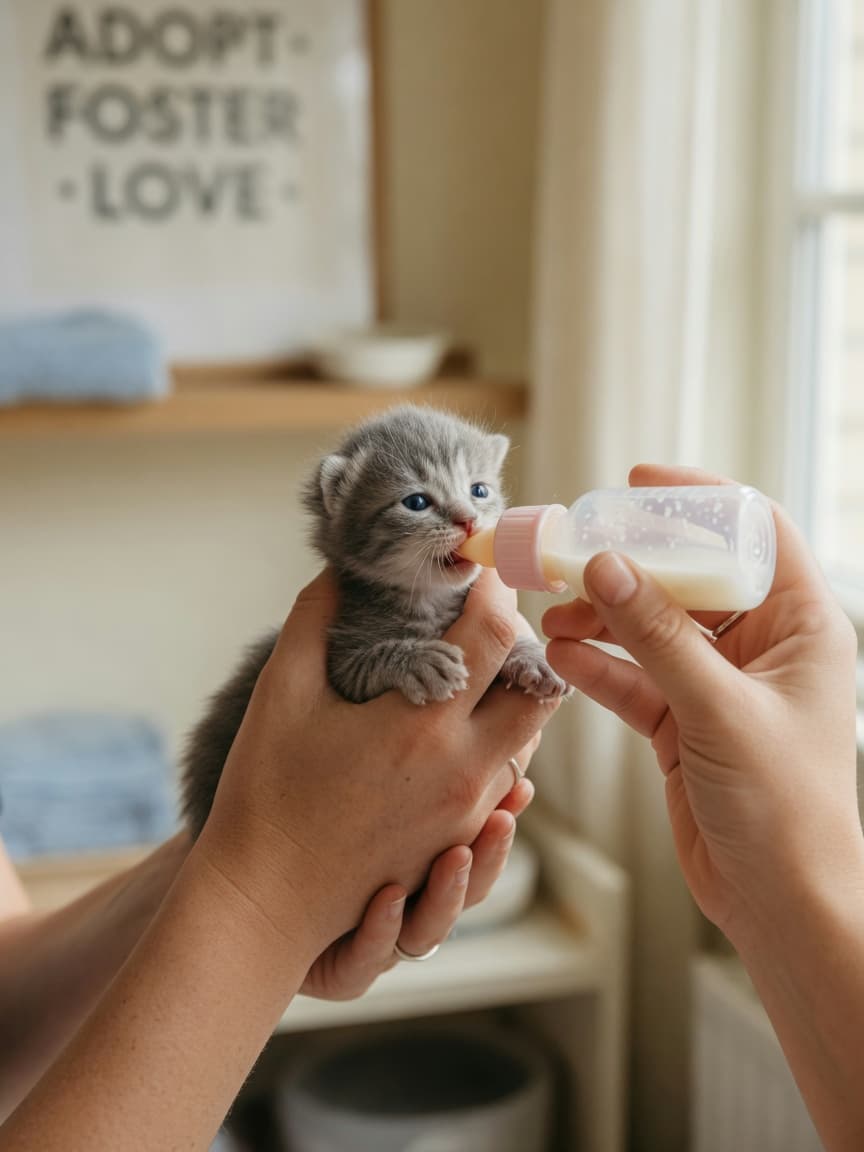
Bottle feeding newborn kittens is a rewarding responsibility that requires patience, knowledge, and commitment. Whether you're caring for orphaned kittens, supporting a mother cat with too many offspring, or helping a feline with health complications, understanding proper bottle feeding techniques is essential for your kittens' survival and development. This comprehensive guide will walk you through everything you need to know to provide optimal nutrition during these critical early weeks.
Understanding When Bottle Feeding Is Necessary
Bottle feeding becomes necessary when kittens are orphaned, when a mother cat rejects her litter, or when she cannot produce sufficient milk. Some kittens may require supplementary feeding alongside nursing if they're not gaining weight properly. Signs that intervention is needed include constant crying, failure to gain weight, or visible dehydration. Always consult your veterinarian before beginning bottle feeding, as they can assess whether it's genuinely necessary and guide you through the process.
Selecting the Right Equipment and Formula
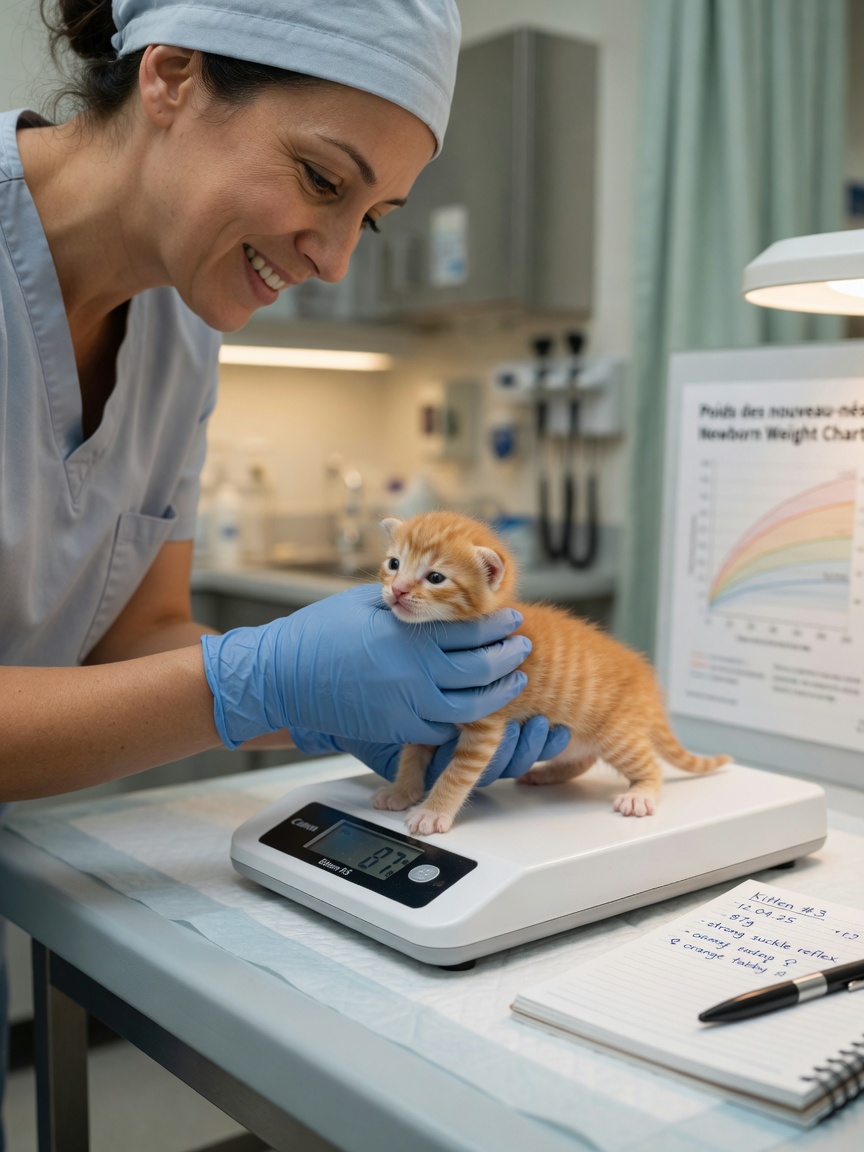
Choosing appropriate supplies is crucial for your kittens' health and feeding efficiency.
- Feeding bottles: Use small bottles specifically designed for kittens, typically 60-120ml capacity. Larger bottles can be overwhelming for tiny mouths.
- Teats: Select teats with appropriately sized holes—too large causes choking, whilst too small frustrates hungry kittens. Kitten-specific teats are ideal.
- Formula: Always use specially formulated kitten milk replacer, never cow's milk, which lacks essential nutrients and can cause digestive upset. Choose high-quality commercial formulae that replicate the nutritional profile of mother cat's milk.
- Sterilisation equipment: Keep bottles, teats, and feeding equipment scrupulously clean to prevent bacterial contamination.
Preparing Formula Correctly
Proper formula preparation is essential for nutritional adequacy and safety. Follow manufacturer instructions precisely regarding water temperature and powder ratios. Typically, you'll mix formula with lukewarm (approximately 40°C) previously boiled water that's been cooled. Measure ingredients carefully—too concentrated formula can cause dehydration, whilst overly dilute mixtures won't provide adequate nutrition. Prepare fresh formula for each feeding and discard unused portions after two hours. Never microwave formula, as this creates dangerous hot spots that can burn delicate mouths.
Establishing a Feeding Schedule
Newborn kittens require frequent feeding to support their rapid growth and metabolism.
- Weeks 0-2: Feed every 2-3 hours, including overnight feeds (8-10 times daily)
- Weeks 2-4: Reduce to every 3-4 hours (6-8 times daily)
- Weeks 4-6: Move to every 4-6 hours (4-5 times daily)
- Weeks 6-8: Transition to four daily feeds whilst introducing wet kitten food
Each kitten typically requires 6-8ml of formula per 100g body weight daily, divided across feeding sessions. Your veterinarian can help calculate precise requirements for your individual kittens.
Proper Bottle Feeding Technique
Technique matters significantly for feeding success and safety. Hold the kitten in a natural nursing position—semi-upright or slightly reclined—never on its back, as this risks formula entering the lungs. Allow the kitten to control feeding pace; never squeeze formula into the mouth. Test formula temperature on your inner wrist; it should feel comfortably warm. During feeding, gently support the kitten's head and monitor for proper swallowing. Most kittens require 5-15 minutes per feeding. After each meal, gently stimulate the kitten's genital area with a warm, damp cloth to encourage urination and defecation, mimicking maternal grooming.
Monitoring Health and Development
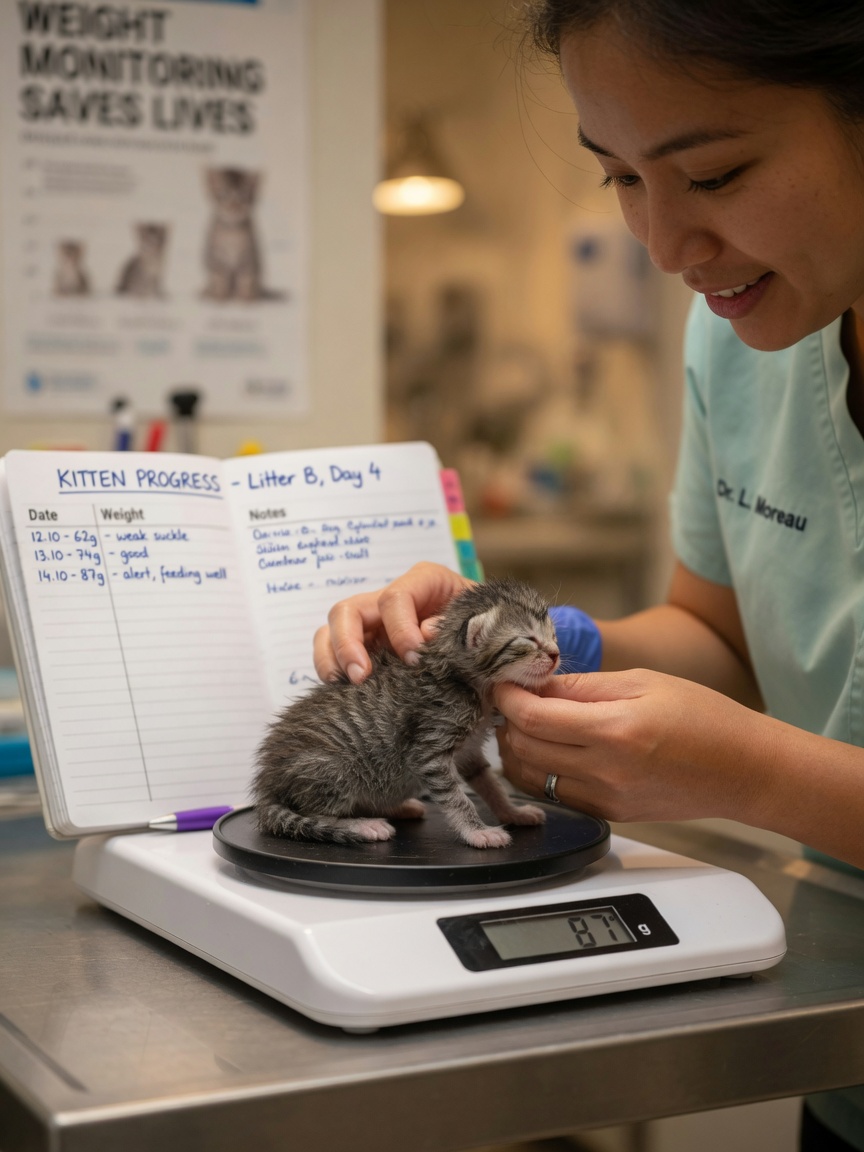
Track your kittens' progress carefully. They should gain approximately 7-10 grams daily and display increasing alertness and activity. Monitor stools for consistency—loose stools may indicate formula intolerance, whilst constipation requires veterinary attention. Keep detailed feeding records including intake amounts, weights, and any health concerns. Schedule regular veterinary check-ups to ensure proper development and address any complications promptly.
Key Takeaways
Successful bottle feeding requires dedication, proper equipment, quality formula, and careful technique. Always work closely with your veterinarian throughout the process. With patience and consistency, you can provide the nutrition and care these vulnerable kittens need to thrive, establishing a strong foundation for healthy development into adulthood.