
Can Cats Eat Shrimp?
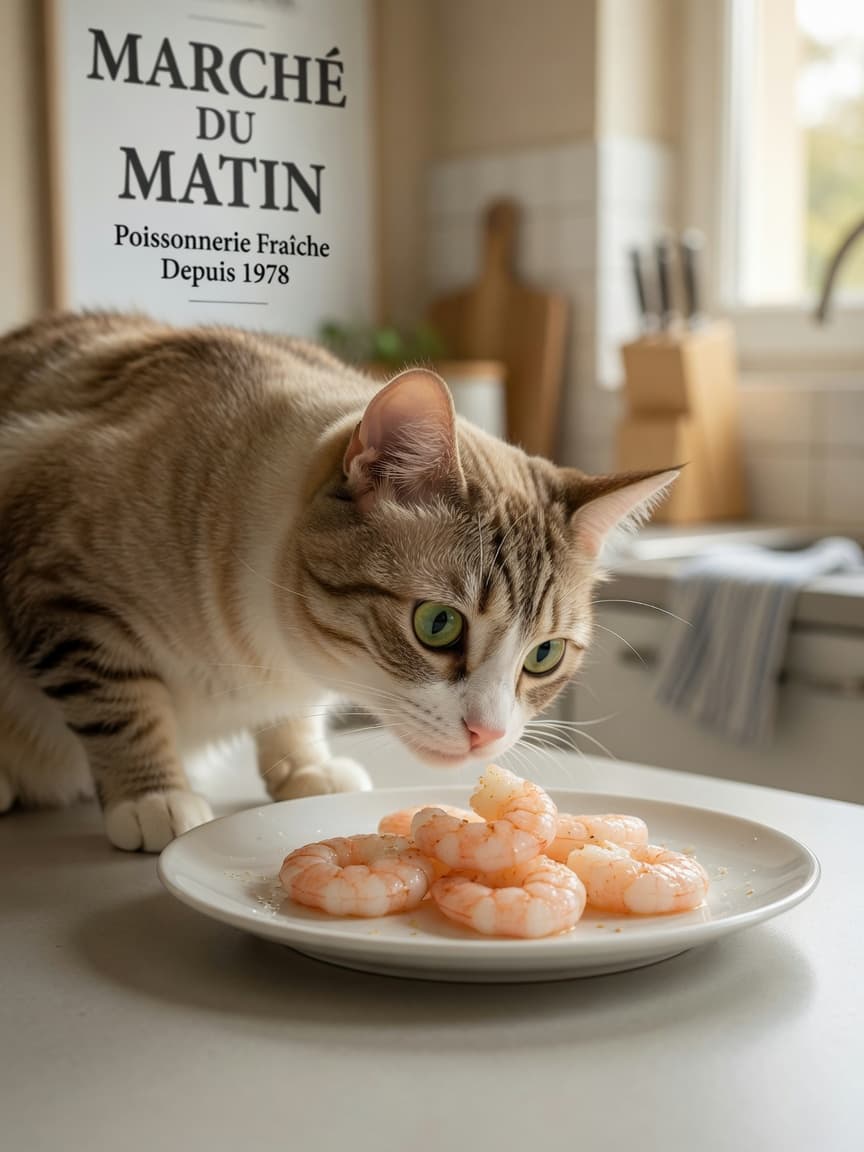
There is something almost intuitive about imagining a cat enjoying seafood. Popular culture has long associated cats with fish, and shellfish like shrimp sit in a similar category for many owners — a luxurious, protein-rich treat that feels natural to share. The good news is that shrimp can be a safe and enjoyable occasional treat for most cats. However, preparation matters enormously, portions need to be controlled, and a small subset of cats may react poorly due to allergies or sensitivities.
Nutritional Profile of Shrimp
Shrimp is an impressive source of lean animal protein. A 100g serving of plain cooked shrimp contains approximately 24g of protein, less than 1g of fat, and very few carbohydrates. This macronutrient profile aligns well with what cats need: high protein, low carbohydrate, and moderate fat. Shrimp also provides:
- Taurine, an essential amino acid cats cannot synthesise in adequate quantities independently
- Iodine, important for thyroid function
- Selenium, a trace mineral with antioxidant properties
- Vitamin B12, which supports neurological function and red blood cell formation
- Phosphorus and zinc in useful quantities
- Astaxanthin, a carotenoid antioxidant that gives shrimp their pink colour
From a nutritional standpoint, shrimp has genuine merit as an occasional protein source. It is not as nutritionally complex as whole prey, but it outperforms many commercial cat treats in terms of actual nutrient density.
Raw vs Cooked Shrimp
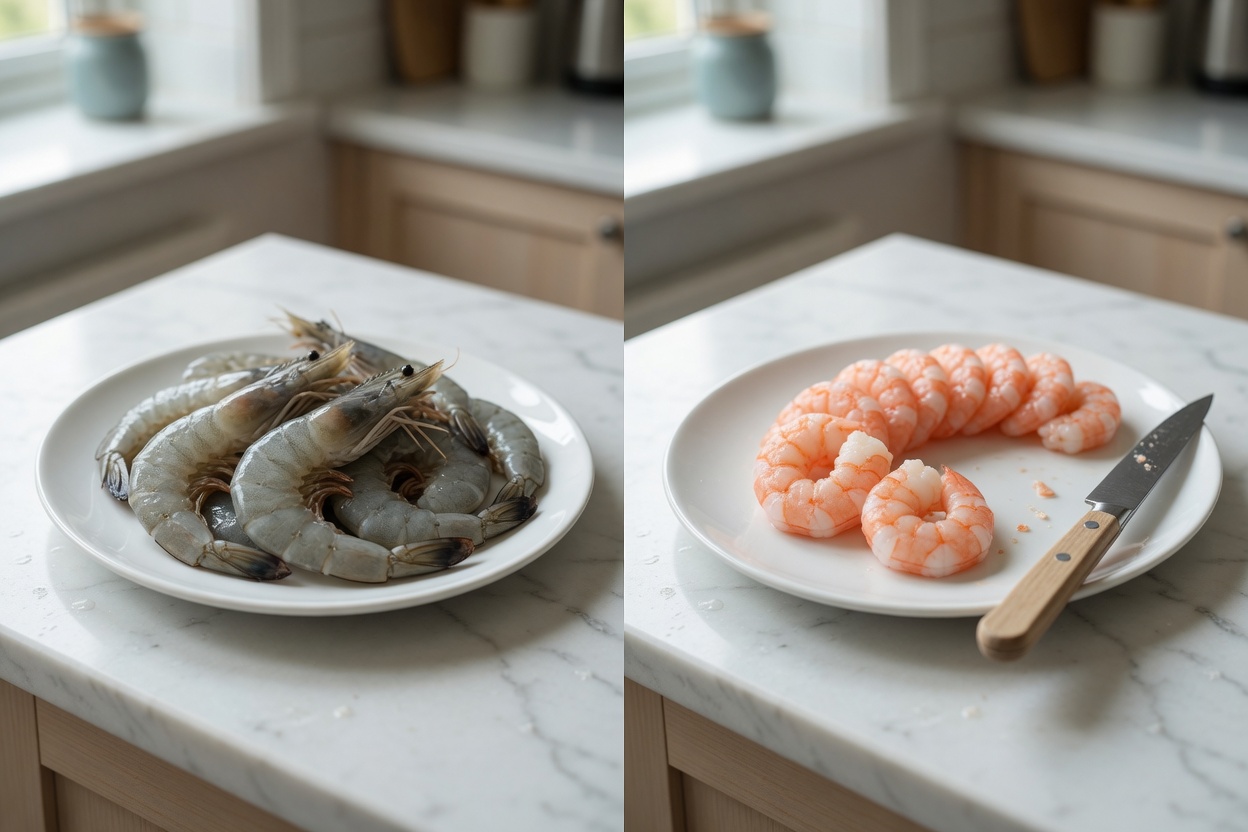
This is one of the most important preparation decisions. Raw shrimp carries a risk of bacterial contamination — particularly Vibrio, Salmonella, and Listeria species — as well as potential parasites. While cats have more robust stomach acid than humans, they are not immune to these pathogens, and raw shellfish poses a higher contamination risk than most raw meats.
Cooked shrimp is the safer option for cats. Plain boiling, steaming, or grilling without any additives is ideal. The key word here is plain. Shrimp prepared for human consumption is almost always seasoned, and the ingredients used in those preparations are frequently harmful to cats:
- Garlic and onion powder — toxic to cats even in small amounts, causing haemolytic anaemia
- Salt — can contribute to sodium ion toxicosis in excess
- Butter and oils — high fat content can cause digestive upset and pancreatitis
- Cocktail sauce, aioli, or dips — contain multiple problematic ingredients including garlic, vinegar, and sugar
- Lemon juice — while not acutely toxic, citrus can cause digestive irritation
If you are offering shrimp to your cat, cook it separately from your own meal, or rinse it thoroughly before serving if it has been lightly seasoned.
Shells, Tails, and Heads
Shrimp shells, tails, and heads should be removed before offering shrimp to cats. The shell is made largely of chitin, a fibrous material that is difficult to digest and may cause intestinal irritation or, in large quantities, a blockage. Sharp edges on tails and legs can also irritate the oesophagus or stomach lining. Take a moment to peel and devein shrimp before serving — the few extra seconds are worth it.
How Much Shrimp Can a Cat Eat?
Shrimp should be treated as an occasional treat, not a dietary staple. Despite its good nutritional profile, it is not nutritionally complete for cats — it lacks sufficient calcium, vitamin A (preformed retinol), and vitamin E to form the basis of a diet. Feeding shrimp as a primary protein source over time would create nutrient imbalances.
A practical guideline: one to three medium-sized shrimp, two to three times per week, is a reasonable upper limit for an average adult cat. Treats of any kind should not exceed 10% of your cat's daily caloric intake. For a cat eating around 250 kcal per day, that is roughly 25 kcal — three medium shrimp come close to that threshold on their own.
Kittens, senior cats, and cats with existing kidney or thyroid conditions should have shrimp offered more cautiously, and ideally with veterinary input given the iodine and phosphorus content.
Allergic Reactions in Cats
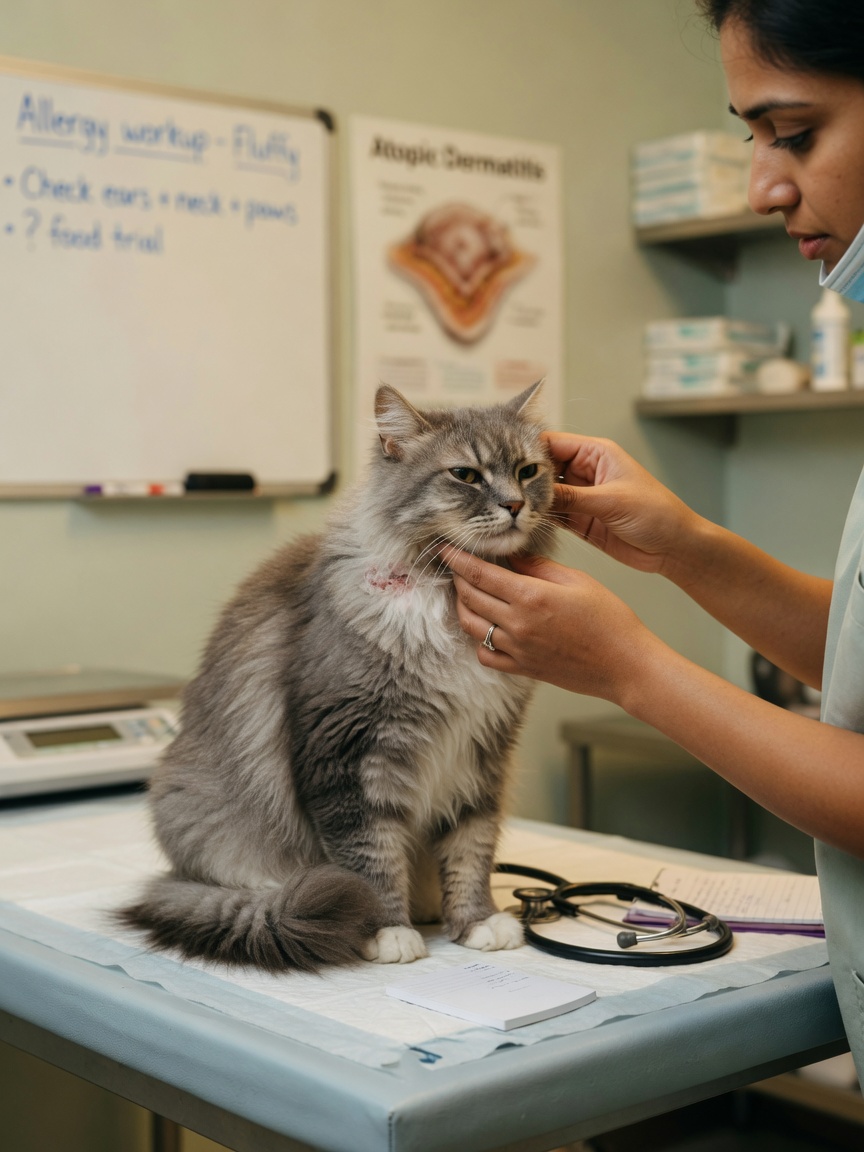
Shellfish allergies in cats do exist, though they are less commonly documented than food intolerances to proteins like beef, dairy, or fish. Shrimp belongs to the crustacean shellfish family, and tropomyosin — the primary allergenic protein in shellfish — can trigger immune responses in sensitive animals.
Signs of a food allergy or intolerance in cats to watch for include:
- Vomiting or diarrhoea shortly after eating
- Excessive scratching, particularly around the head and neck
- Skin redness, hair loss, or miliary dermatitis (small crusty lesions across the back)
- Facial swelling or hives — rare but indicating an acute allergic response requiring urgent vet attention
- Lethargy following eating
If you are introducing shrimp for the first time, offer a very small piece and observe your cat for several hours. Allergic responses to food can be immediate or delayed by several hours. If any adverse signs appear, discontinue shrimp and consult your vet. If your cat has known allergies to fish or other seafood, it is sensible to avoid shrimp entirely.
Frozen and Pre-Packaged Shrimp
Frozen raw shrimp is a practical option and is widely available. Defrost it in the refrigerator rather than at room temperature, and cook it before serving. Avoid pre-cooked frozen shrimp marketed for human consumption, as these are frequently seasoned with salt and other additives.
Dried shrimp snacks marketed specifically for cats are another option and tend to be safer than human-grade prepared shrimp, provided the ingredient list contains nothing beyond shrimp. These can be useful for portion control and have a long shelf life, making them convenient as training rewards or toppers.
Shrimp is one of the more nutritionally worthwhile treat options you can offer a cat — provided it is plain, properly prepared, and given in appropriate amounts. Most cats find it highly palatable, and the taurine content alone gives it an edge over many commercial treats.