
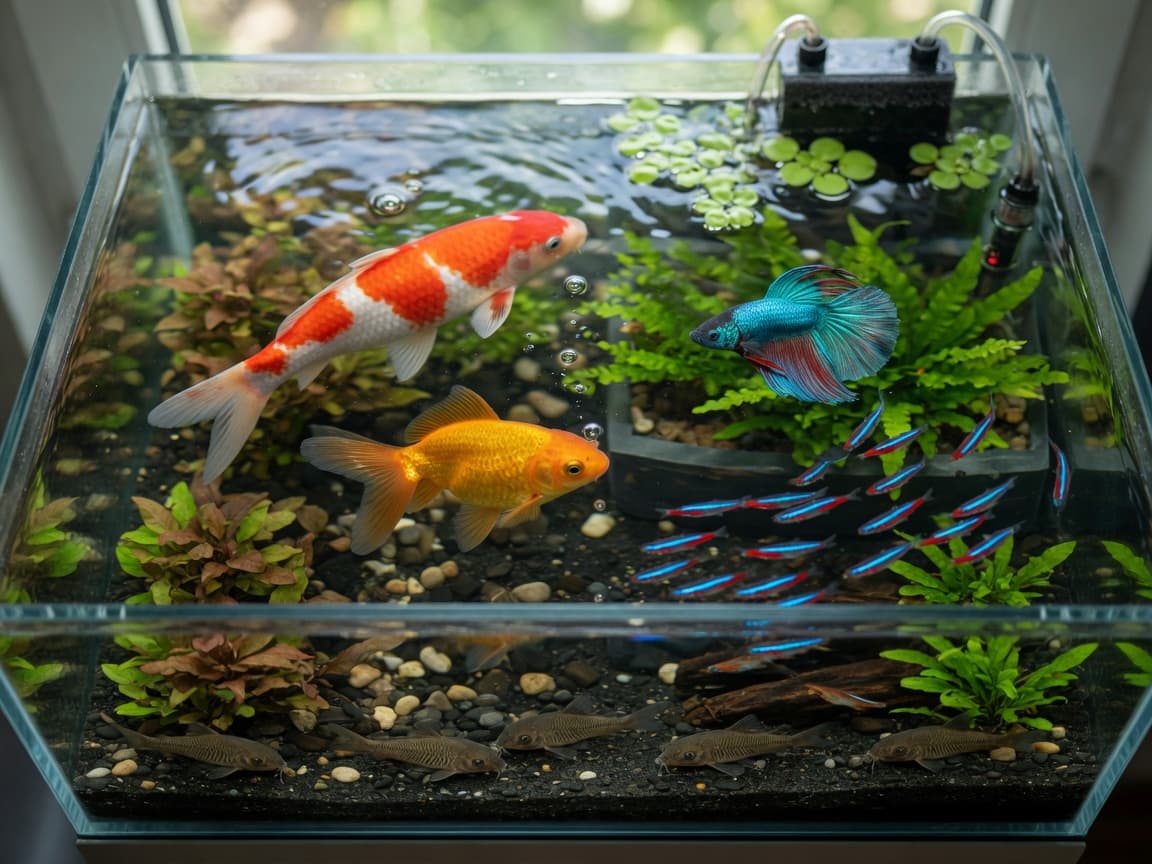
How Long Do Fish Live? Lifespan Guide by Species
Why Fish Lifespan Varies So Dramatically
Fish lifespans range from under 1 year (tiny killifish species that complete their entire life cycle during a single rainy season) to over a century (some wild carp and sturgeon). In the aquarium hobby, most fish die far short of their potential lifespan — not because of genetics, but because of suboptimal husbandry: tanks too small, water quality too poor, diet inadequate, or stress chronically elevated.
The key factors that determine actual lifespan in captivity are: water quality and stability, appropriate tank size for the species, correct temperature range, diet quality, stress levels (from overcrowding, inappropriate tankmates, or lack of hiding spaces), and genetic quality of the original stock. Fish from responsible breeders typically live longer than wild-caught or mass-farmed stock due to better genetic health and reduced early-life stress.
The lifespans below represent what fish can achieve in good captive conditions — not what they typically achieve in average hobby care.
Popular Aquarium Fish Lifespans
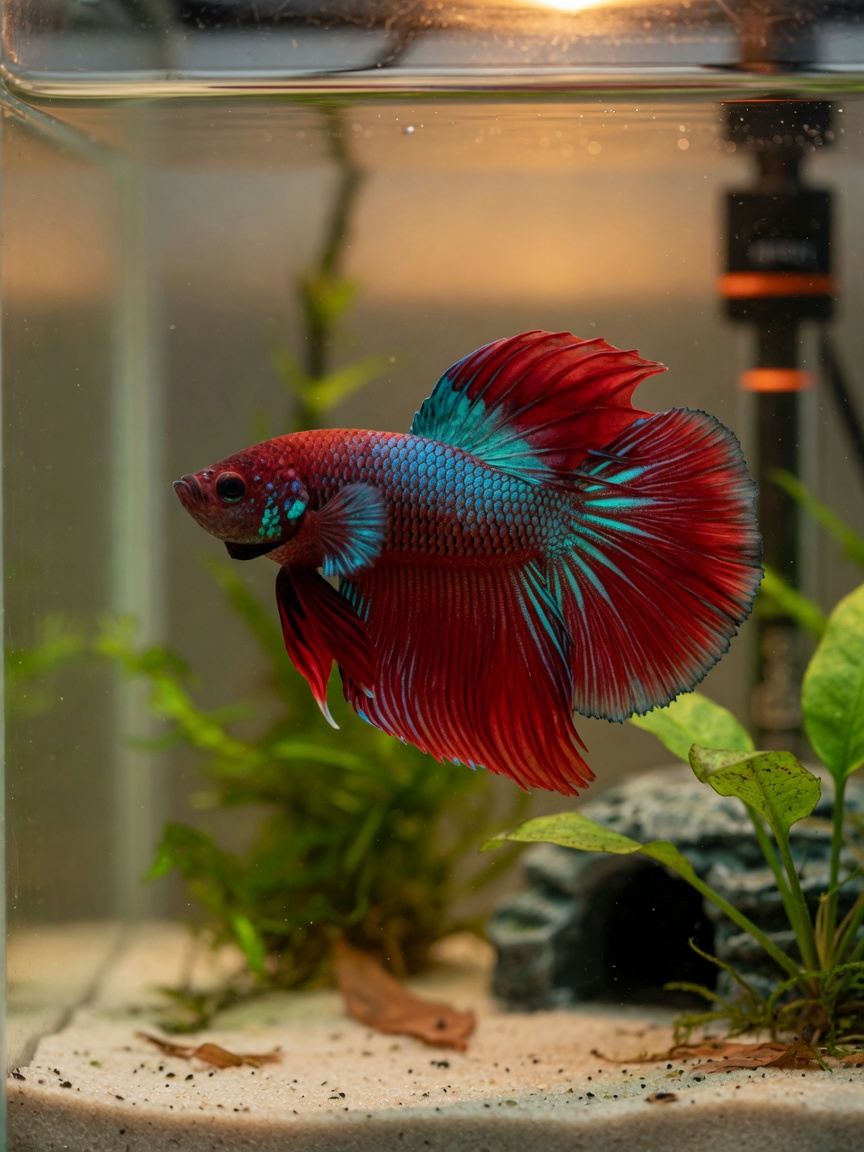
Betta Fish (Betta splendens): 3–5 Years
Bettas sold in pet stores are often already 6–12 months old. With good care — a 5+ gallon cycled tank, stable temperature of 76–82°F, varied high-protein diet, and 0 ppm ammonia/nitrite — bettas routinely live 3–5 years. Some individuals reach 7 years. Bettas kept in bowls or cups rarely live past 18 months. Male bettas start showing age-related coloration changes (fading, darkening) around 2–3 years.
Goldfish (Carassius auratus): 10–15 Years (Up to 20+ in Ideal Conditions)
Goldfish are extraordinarily long-lived when properly cared for. The record is a British goldfish named "Tish" who lived 43 years. Common goldfish in well-maintained ponds regularly reach 15–20 years. Fancy goldfish (orandas, ryukins, etc.) have compressed body plans that create health vulnerabilities, but still typically live 10–15 years in appropriate conditions. Goldfish in bowls usually die within 1–3 years from chronic ammonia exposure and stress.
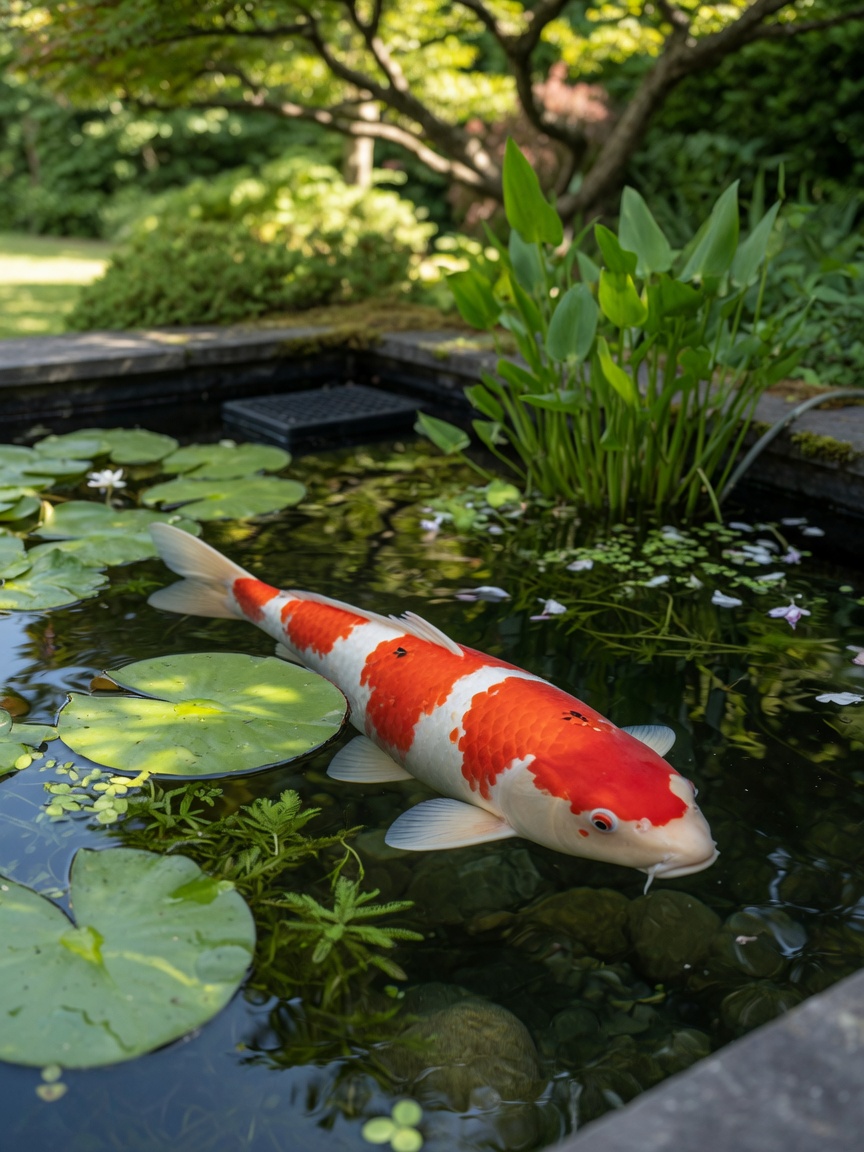
Koi (Cyprinus rubrofuscus): 25–35 Years (Up to 200+ Years in Exceptional Cases)
Koi are among the longest-lived vertebrate pets. A famous koi named Hanako in Japan was estimated at 226 years old when she died in 1977, based on growth ring analysis of her scales. While such extreme ages are exceptional, koi living 30–50 years in well-maintained ponds are not unusual. They require large, well-filtered ponds with excellent water quality and a high-quality diet to reach their potential. Fishkeeping World's koi guide covers their long-term care needs in detail.
Neon Tetra (Paracheirodon innesi): 5–10 Years
Neon tetras are commonly thought of as short-lived because they often die within months of purchase. This is almost entirely a consequence of the stress of mass breeding, long transport chains, and being kept in inappropriate conditions. In a well-maintained tank with soft, slightly acidic water (pH 6.0–7.0), temperature 68–77°F, and a shoal of 6+ individuals, neons routinely live 5–8 years and can reach 10. They are not delicate — they are stressed.
Guppies (Poecilia reticulata): 2–3 Years
Guppies have a shorter natural lifespan than many other aquarium fish. Well-cared-for guppies typically live 2–3 years. Some long-finned show varieties have been selectively bred for appearance at the expense of overall health and may live somewhat shorter lives. Guppies reproduce rapidly, so colonies replenish themselves naturally — but individual fish should still receive proper care.
Corydoras Catfish (Corydoras spp.): 10–15 Years
Corydoras are underestimated for longevity. In appropriate conditions — soft water, 72–78°F, clean substrate, and a group of 6+ — they regularly live 10–15 years. Some hobbyists report peppered cories (C. paleatus) and bronze cories (C. aeneus) living past 20 years. They are gentle, social fish that thrive when kept as intended and suffer when kept alone or in harsh water.
Plecostomus / Common Pleco (Hypostomus plecostomus): 10–15 Years
The common pleco sold as a "sucker fish" for algae control grows to 18–24 inches and lives 10–15 years. Most are kept in tanks far too small for their adult size, leading to stunted growth and shortened lives. In a large aquarium (100+ gallons) or a pond, they are robust, long-lived fish. Smaller pleco species like bristlenose plecos (Ancistrus spp.) max out around 5 inches and live 5–12 years.
Angelfish (Pterophyllum scalare): 10–12 Years
Angelfish are cichlids and share the family's general hardiness and longevity. In a well-maintained community tank of 55 gallons or more, with water temperature 76–84°F and pH 6.0–7.5, angelfish regularly live 10–12 years. They are social fish that benefit from being kept in groups. Avoid keeping them with fin-nipping species (tiger barbs, serpae tetras) as chronic fin damage stresses them significantly.
Oscar (Astronotus ocellatus): 10–15 Years
Oscars are large South American cichlids (growing to 12–14 inches) that form strong bonds with their owners and are among the most personable aquarium fish available. In a large tank (75–100+ gallons), with excellent filtration and water quality, they regularly live 10–15 years. Oscars sold as small juveniles are often impulse purchases for tanks too small to house them as adults — a scenario that greatly shortens their lifespan.
Zebra Danio (Danio rerio): 5 Years
Zebra danios (zebrafish) are hardy, energetic schooling fish that live up to 5 years in good conditions. They are extremely tolerant of a wide temperature range (64–77°F) and pH range (6.5–7.5), making them popular as beginner fish and extensively used in scientific research. Despite their hardiness, they still need adequate space (at least 10 gallons for a school of 6+) and good water quality to reach their potential lifespan.
Discus (Symphysodon spp.): 10–15 Years
Discus are beautiful but demanding — they require soft, warm, extremely clean water (temperature 82–88°F, pH 5.5–7.0, very low nitrate) and high-quality protein-rich diet. In appropriate conditions maintained by experienced keepers, discus live 10–15 years. They are not beginner fish but represent a remarkable long-term commitment for dedicated hobbyists.
Wild vs. Captive Lifespan
Interestingly, many aquarium fish live longer in captivity than in the wild — provided their captive conditions are appropriate. In nature, fish face constant predation pressure, variable food availability, seasonal temperature extremes, and disease without veterinary intervention. A well-maintained aquarium removes these stressors. The exception is when captive conditions are poor, in which case wild survival is longer. SeriouslyFish provides species-specific wild lifespan data for hundreds of aquarium species.
Key Takeaways
- Most fish die far short of their potential lifespan due to poor husbandry, not genetics
- Bettas: 3–5 years; goldfish: 10–20+ years; koi: 25–35+ years
- Corydoras and angelfish routinely live 10–15 years with appropriate care
- Water quality, tank size, temperature stability, and diet are the primary determinants of longevity
- Fish from responsible breeders generally live longer than mass-farmed stock
- Wild lifespan is often shorter than captive lifespan when aquarium conditions are excellent
References
- Gerhard GS, Kauffman EJ, Wang X, et al. "Life spans and senescent phenotypes in two strains of Zebrafish (Danio rerio)." Experimental Gerontology. 2002. PMID: 12148943
- Patnaik BK, Mahapatro N, Jena BS. "Ageing in fishes." Gerontology. 1994. PMID: 7959080