
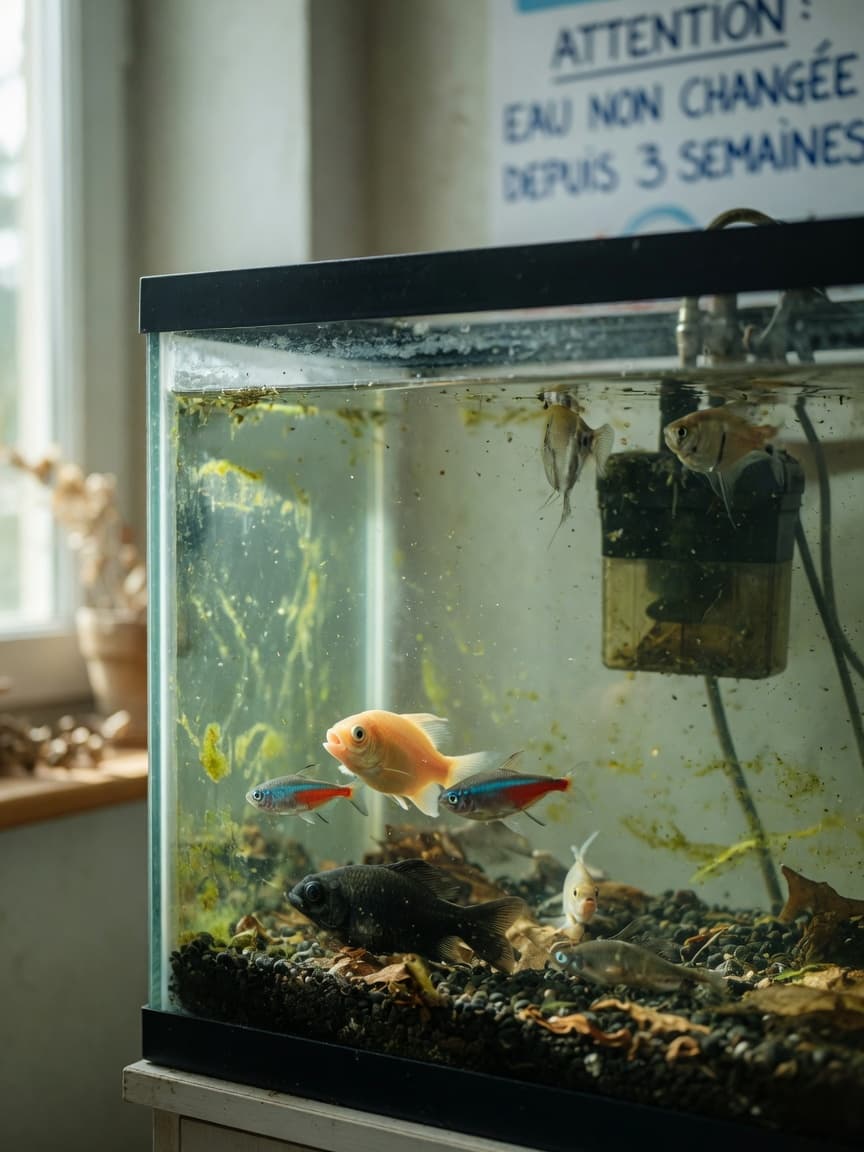
If you've kept an aquarium for several months or years without noticing any problems, you might assume everything is running smoothly. However, even well-established tanks can develop a silent killer known as "Old Tank Syndrome" — a gradual shift in water chemistry that devastates fish health without obvious warning signs. Understanding this condition is crucial for every aquarium keeper, whether you're a seasoned hobbyist or new to fishkeeping.
What Is Old Tank Syndrome?
Old Tank Syndrome (OTS) occurs when the beneficial bacteria in your aquarium's nitrogen cycle begin to decline, typically after several years of operation. This happens because the bacterial colonies that convert toxic ammonia and nitrite into less harmful nitrate gradually lose their ability to maintain balance. The result is a dangerous accumulation of ammonia and nitrite that can spike suddenly, often without any warning.
What makes OTS particularly insidious is that your tank may appear perfectly healthy until a crisis occurs — often triggered by a water change, filter cleaning, or even a minor equipment adjustment.
Warning Signs to Watch For
Although Old Tank Syndrome can strike without obvious symptoms, several warning signs may indicate your tank is at risk:
- Fish displaying unusual behaviour, such as gasping at the water surface or remaining stationary
- Sudden loss of appetite or lethargy in previously healthy fish
- Development of spots, lesions, or discolouration on fish bodies
- Excessive algae growth despite regular maintenance
- Cloudy water or unusual odours emanating from the tank
- Fish dying without apparent illness, particularly during or after water changes
If you notice any combination of these signs in an established tank, test your water chemistry immediately — this could save your fish's lives.
Why Does This Happen in Mature Tanks?
Several factors contribute to the decline of bacterial colonies in older aquariums:
- Accumulation of organic waste: Over time, detritus settles in the substrate and accumulates in filter media, eventually becoming difficult for bacteria to process effectively.
- Substrate compaction: Compressed substrate reduces water flow, creating anaerobic zones where harmful bacteria thrive instead of beneficial ones.
- Overcleaning: Aggressive cleaning of filter media can inadvertently remove too many beneficial bacteria.
- Equipment failure: Ageing filters or aeration systems may not function optimally, reducing oxygen levels needed for beneficial bacteria.
- Chemical imbalances: pH drift and declining alkalinity can stress the bacterial colonies.
Prevention and Management Strategies
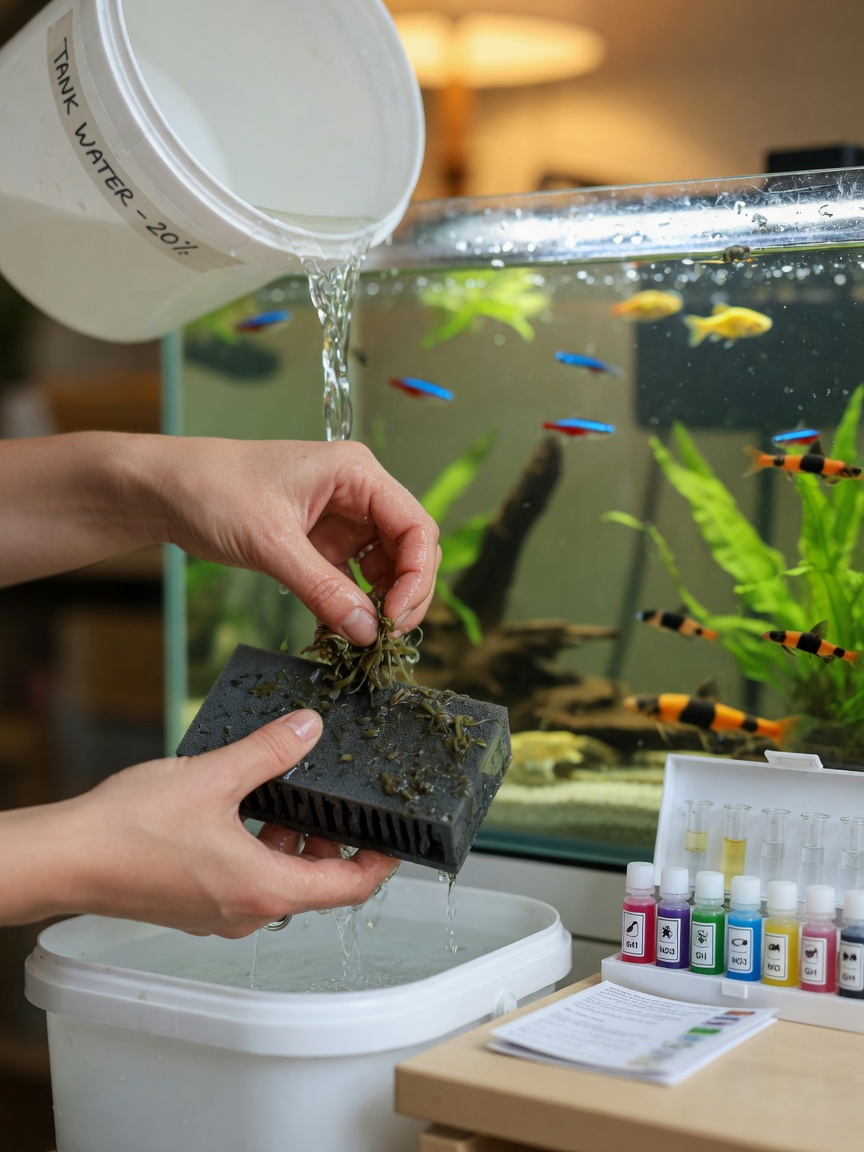
The good news is that Old Tank Syndrome is largely preventable with proper maintenance:
- Perform regular, moderate water changes (20-30% weekly) rather than occasional large changes
- Clean filter media gently using water removed from the tank, not tap water
- Vacuum your substrate thoroughly during water changes to remove accumulated detritus
- Test water parameters monthly, even when the tank appears healthy
- Avoid overcrowding, which increases bioload and stresses the nitrogen cycle
- Ensure adequate filtration and aeration for your tank size and fish population
- Monitor pH and alkalinity, making gradual adjustments if needed
Testing and Recovery
If you suspect OTS, immediately test for ammonia and nitrite. Any detectable levels require urgent action: perform a 50% water change, reduce feeding temporarily, and increase aeration. Consider using beneficial bacteria supplements to boost your colony, and allow the system to stabilise for several weeks before resuming normal maintenance routines.
Key Takeaways
Old Tank Syndrome reminds us that established aquariums require consistent, thoughtful maintenance. Regular testing, moderate water changes, and careful filter cleaning are your best defences against this silent threat. By staying vigilant and maintaining stable conditions, you'll keep your aquatic pets thriving for years to come.