ForPetsHealthcare
Fish & Aquatics

Why Flushing Your Fish is Not an Option

By Julia WrenfieldUpdated August 4, 20263 min read
Evidence-based · Sources checked
{"en": "Dead fish in toilet bowl, illustrating improper disposal method for deceased pet fish", "es": "Pez muerto en la taza del inodoro, ilustrando el m\u00e9todo incorrecto de disposici\u00f3n de peces mascotas fallecidos", "fr": "Poisson mort dans la cuvette des toilettes, illustrant la mauvaise m\u00e9thode d'\u00e9limination des poissons de compagnie d\u00e9c\u00e9d\u00e9s", "de": "Toter Fisch in der Toilettensch\u00fcssel, zeigt unsachgem\u00e4\u00dfe Entsorgung von verstorbenem Haushaltsfisch", "nl": "Dode vis in toiletpot, illustreert onjuiste verwijdering van overleden huisdiervis", "pt": "Peixe morto na tigela do vaso sanit\u00e1rio, ilustrando m\u00e9todo incorreto de descarte de peixe de estima\u00e7\u00e3o falecido", "it": "Pesce morto nella tazza del water, illustra il metodo improprio di smaltimento del pesce domestico deceduto"}

When a beloved pet fish dies, the instinct to flush it down the toilet might seem like the quickest and most dignified solution. However, this common practice is causing significant environmental damage that extends far beyond your bathroom. As a nutritionist and pet health advocate, I'm here to explain why this seemingly harmless act is harming our waterways and what responsible alternatives exist for honouring your pet's memory.

The Environmental Impact of Flushing Fish

Flushing a deceased fish introduces non-native species into our sewage systems and, ultimately, into local water bodies. Fish waste systems can sometimes bypass water treatment facilities, particularly during heavy rainfall or system overloads. When exotic aquarium fish enter rivers and lakes, they become invasive species that disrupt delicate ecosystems.

Even standard freshwater fish species can cause problems. They compete with native species for resources, introduce parasites and diseases, and alter the natural balance of local habitats. Additionally, any chemicals remaining in the aquarium water—including ammonia, nitrates, and medications—are also released into our waterways, contributing to pollution.

Why Your Local Water Treatment Cannot Handle Aquarium Fish

Many people assume water treatment facilities will safely dispose of flushed fish. Unfortunately, this is not guaranteed:

  • Modern treatment plants focus on removing solids and certain chemicals, not on neutralising organic matter from tropical species
  • Some fish species can survive treatment processes and reach rivers alive
  • Medications used in aquariums—such as antiparasitic and antibiotic treatments—may not be fully broken down by standard processes
  • Peak periods can cause system failures, allowing untreated water to flow directly into natural waterways

Responsible Disposal Methods
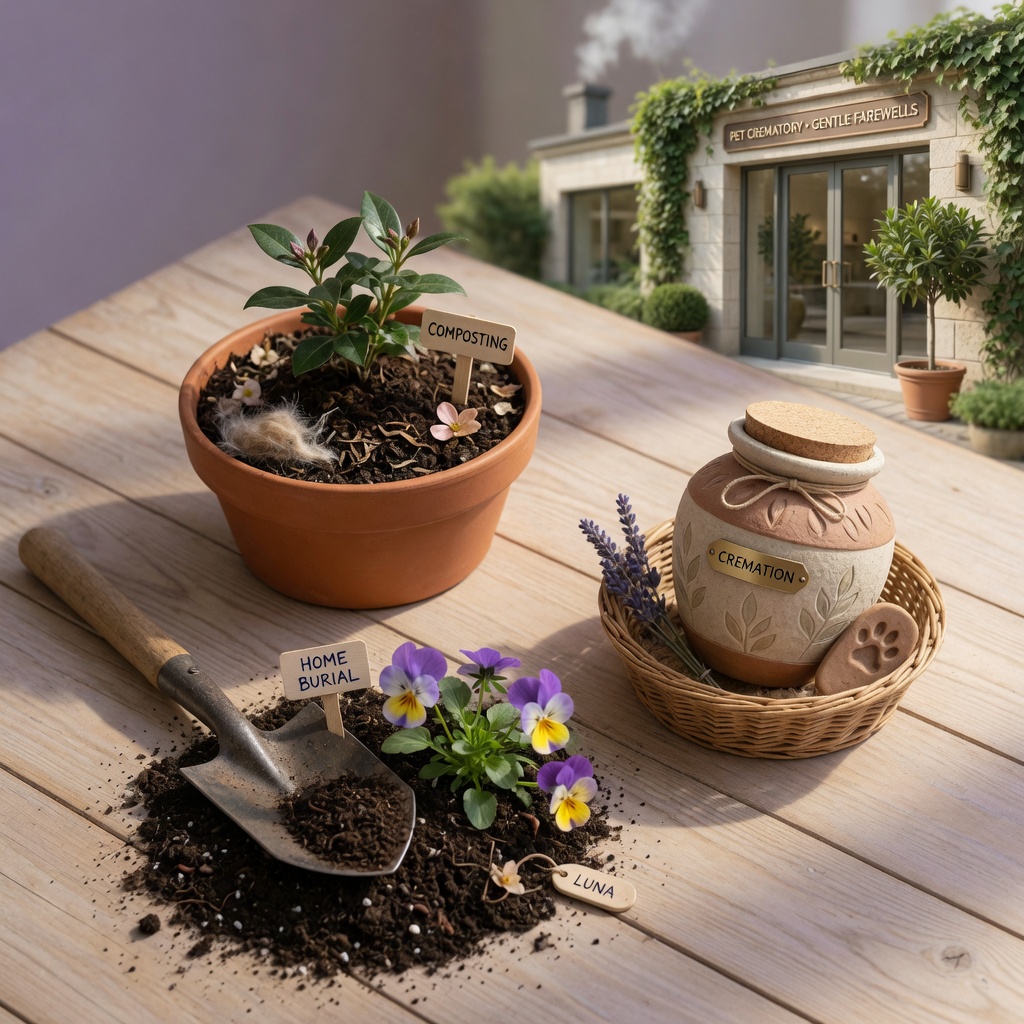
Visual representation of four responsible fish disposal methods: composting, cremation, home burial, and professional services arranged on a wooden surface

Fortunately, several dignified and environmentally responsible alternatives exist:

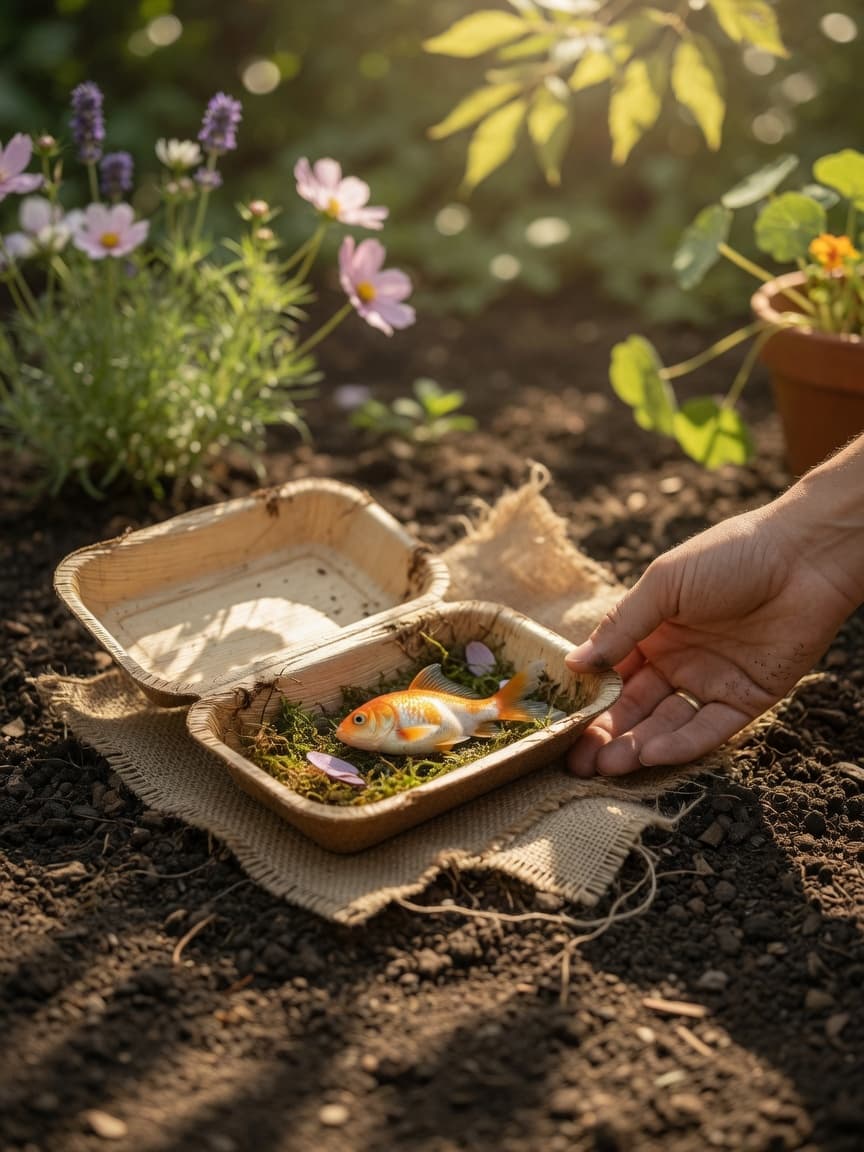
  1. Home Burial: Bury your fish in your garden in a biodegradable container or wrapped in natural material. Choose a location away from water sources and vegetable gardens. This returns nutrients to the soil naturally.
  2. Pet Cremation Services: Many UK pet crematoriums now offer services for small animals, including fish. Your pet receives individual cremation and you can collect the ashes.
  3. Local Animal Sanctuaries: Some wildlife centres and aquariums accept deceased fish for composting programmes.
  4. Aquarium Shops: Certain pet retailers have partnerships with disposal services specifically designed for aquatic pets.
  5. Home Composting: Fish can be safely composted in dedicated compost systems (not standard garden compost) and later used for non-edible plants.

Teaching Children About Responsible Pet Care

How we handle the loss of a pet teaches children invaluable lessons about environmental responsibility and respect for life. By choosing proper disposal methods, you demonstrate that every creature—regardless of size—deserves dignified treatment and that our actions have ecological consequences.

Key Takeaways

Flushing fish is not merely an inconvenient habit; it represents a real threat to our aquatic ecosystems and contributes to invasive species problems across Europe. By choosing burial, cremation, or professional disposal services, you protect local waterways whilst honouring your pet's memory appropriately.

Before your next fish purchase, research disposal options in your area. Many communities now offer resources specifically for this purpose. Your small choice to dispose responsibly can inspire others and collectively make a meaningful difference to environmental conservation.

#why flushing your fish is not an option#forpetshealthcare

Sources & further reading

This article is based on peer-reviewed veterinary research and reputable animal-health sources. Explore the underlying science in our Research Library.

Related articles

What to Know About Aquarium Sump and Overflow Box Setups

If you're considering an aquarium sump and overflow system for your home, understanding how these components work together is essential for maintaining a healthy aquatic environment for your fish and other water-dwelling pets. Whether you're a seasoned aquarist or setting up your first advanced syst…

Read more →

What to Know Before Buying an Aquarium

Setting up an aquarium is an exciting prospect for any pet lover, but rushing into a purchase without proper planning can lead to frustration, expense, and unhappy fish. Whether you're considering your first tank or upgrading to a larger setup, understanding the fundamentals of aquarium ownership is…

Read more →

What to Do If Your Betta is Too Fat

Bettas are beloved for their vibrant colours and engaging personalities, but many pet owners inadvertently overfeed these beautiful fish, leading to obesity and serious health problems. A plump betta might seem content, but excess weight can cause complications including constipation, swim bladder d…

Read more →

What Is an Aquarium Drip Loop?

If you're a pet owner with an aquarium in your home, you've likely heard the term "drip loop" mentioned by experienced aquarists and veterinary professionals. This simple yet crucial safety feature is often overlooked by beginners, yet it plays a vital role in protecting both your aquatic pets and y…

Read more →

Should You Vacuum Your Aquarium Gravel?

If you're an aquarium enthusiast, you've likely wondered whether those fancy gravel vacuums are worth the investment. The short answer is: yes, regular gravel maintenance is essential for a healthy aquarium ecosystem. But understanding how, when, and why to vacuum your substrate properly can make al…

Read more →

How to Replace Aquarium Substrate

Whether you're dealing with accumulated debris, algae buildup, or simply want to refresh your aquarium's appearance, replacing substrate is one of the most important maintenance tasks for aquatic pet owners. A clean substrate not only enhances your aquarium's visual appeal but also maintains water q…

Read more →
Disclaimer:This article is for informational purposes only and does not constitute veterinary advice. Always consult a qualified veterinarian for your pet's health concerns.

Free newsletter

Pet health tips, straight to your inbox

Weekly science-backed advice for dog & cat owners. No spam, unsubscribe anytime.