
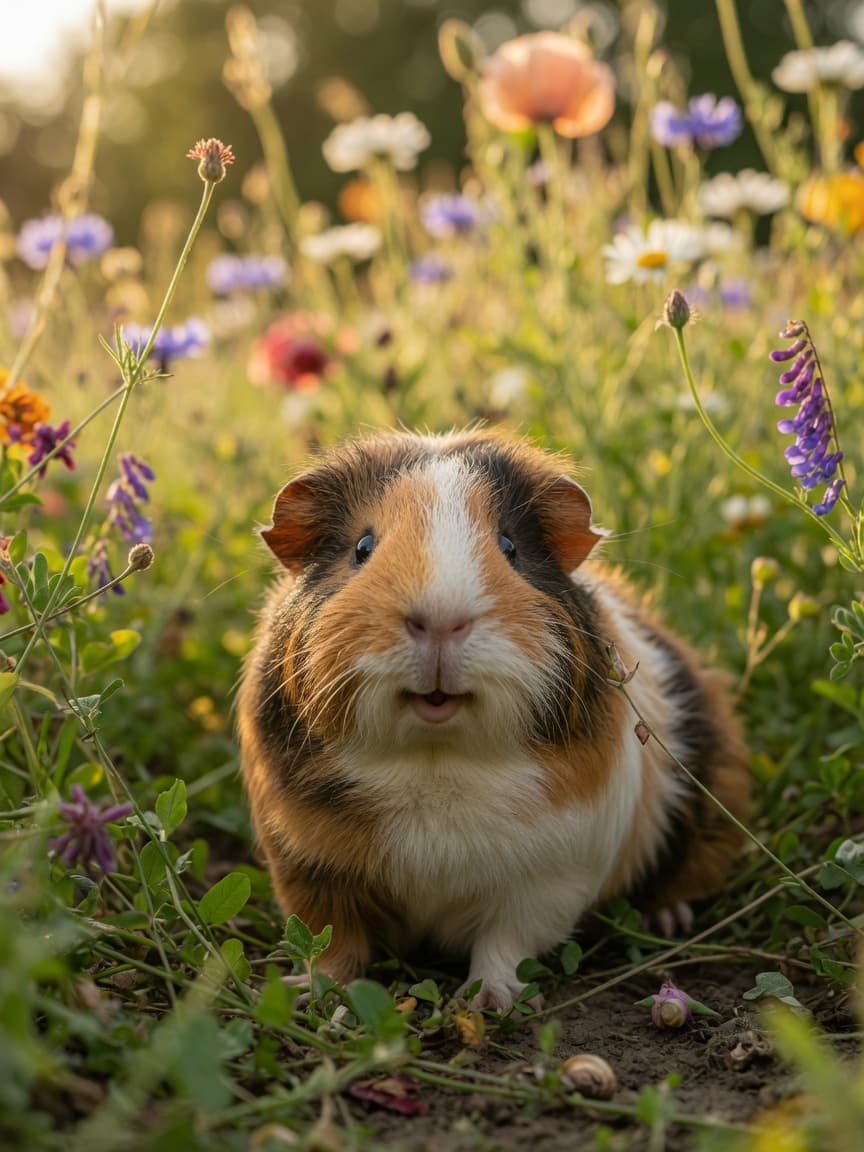
Guinea Pig Care: A Complete Guide for UK Owners
Guinea pigs, also known as cavies, are gentle, sociable animals that can make excellent companions for families and individuals alike. However, their care requirements are more specific than many new owners realise. Understanding their social nature, nutritional needs, and environmental preferences is essential to keeping them healthy and happy throughout their lives.
Guinea Pigs Are Social Animals — Never Keep One Alone
One of the most important things to understand about guinea pigs is that they are highly social animals. In the wild, they live in groups and rely on companionship for their emotional wellbeing. Switzerland has recognised this so strongly that its animal welfare law legally requires guinea pigs to be kept in pairs or groups. While UK law does not yet go this far, the scientific and welfare consensus is clear: keeping a guinea pig alone causes significant stress and can lead to depression-like symptoms, reduced activity, and a shorter lifespan.
Always keep at least two guinea pigs together. Same-sex pairs or neutered mixed-sex pairs tend to work best. Bonded guinea pigs will groom each other, vocalise together with their distinctive "wheeks" and purrs, and sleep in close contact. A lone guinea pig may become withdrawn and unwell even when provided with plenty of human interaction.
Vitamin C: The Most Critical Nutritional Requirement
Guinea pigs are one of the few mammals, alongside humans and certain primates, that cannot synthesise their own vitamin C. This means they must receive adequate amounts entirely through their diet. The minimum recommended daily intake is around 50mg of vitamin C per guinea pig, and some vets suggest higher amounts for pregnant or ill animals.
A deficiency in vitamin C leads to scurvy, a condition that is unfortunately common in poorly cared-for guinea pigs. Early signs of scurvy include:
- Swollen, painful joints that make movement difficult
- Reluctance to move or a hunched posture
- Rough, dull coat
- Weight loss and reduced appetite
- Bleeding gums and loose teeth in severe cases
The best way to meet vitamin C requirements is through fresh vegetables rather than water additives, as vitamin C degrades rapidly in water. Bell peppers are one of the highest natural sources of vitamin C available and are very well-tolerated by guinea pigs. Red bell peppers in particular contain exceptional amounts. Other good sources include fresh parsley, kale, and broccoli. Offer a varied selection of fresh vegetables daily alongside their main diet.
Diet: The 80% Hay Rule
Hay should make up approximately 80% of a guinea pig's diet and must be available at all times. Timothy hay is the most commonly recommended variety for adult guinea pigs, though orchard grass and meadow hay are also excellent options. Hay is critical for two reasons: it provides the long-stemmed fibre necessary for healthy gut motility, and it keeps the continuously growing teeth worn down correctly.
Guinea pig pellets should be offered in small quantities — around one to two tablespoons per guinea pig per day. Choose a plain, uniform pellet that is specifically formulated for guinea pigs, as muesli-style mixes encourage selective feeding and can cause dental and digestive problems. Ensure pellets are vitamin C fortified, though fresh vegetables should remain the primary vitamin C source.
Fresh vegetables should be given daily in a portion roughly the size of the guinea pig's head. Good staples include:
- Bell peppers (all colours, but especially red)
- Leafy greens such as romaine lettuce, spring greens, and rocket
- Fresh herbs including parsley, coriander, and dill
- Cucumber and courgette as hydrating options
Avoid iceberg lettuce, which has very little nutritional value and can cause loose stools. Fruit should be given only as an occasional treat due to its high sugar content.
Bedding: Fleece vs Wood Shavings
The bedding debate among guinea pig owners has been ongoing for years, and both options have genuine merits.
Wood shavings, specifically kiln-dried dust-extracted softwood shavings or aspen shavings, are widely available and provide reasonable odour control. However, cedar shavings must always be avoided as the aromatic oils are toxic to guinea pigs. Dusty shavings of any kind can cause respiratory problems.
Fleece bedding has grown in popularity because it is soft, reusable, and gentle on guinea pig feet. When properly wicked and layered over an absorbent material, fleece pulls moisture away from the surface, keeping guinea pigs dry. The key drawback is that fleece enclosures require more frequent spot-cleaning — ideally daily — and the fleece itself needs washing every three to four days. The upfront cost is higher but ongoing costs are lower.
Whichever bedding you choose, ensure the enclosure is cleaned regularly and that sufficient depth is provided. Guinea pigs do not burrow as extensively as some small animals, but they still appreciate a layer of material to nestle into.
Housing and Exercise
Guinea pigs need significantly more space than most pet shop cages provide. The recommended minimum for two guinea pigs is 120cm by 60cm of floor space, though larger is always better. C&C (cubes and coroplast) enclosures are popular among experienced owners because they are customisable and affordable.
Unlike many small animals, guinea pigs are not climbers and need floor space rather than height. They should also have access to a safe outdoor run during good weather, which provides both exercise and the stimulation of grazing on grass — a natural behaviour that is beneficial to their digestion and mental wellbeing.
Lifespan and Health Considerations
Guinea pigs live on average between four and eight years, though some individuals reach longer ages with excellent care. They are prey animals and instinctively hide signs of illness, which means health problems can progress significantly before becoming obvious. Regular gentle handling allows owners to spot changes in weight, coat condition, and behaviour early.
Common health issues include dental problems, respiratory infections, skin conditions such as mange mites, and urinary stones. A guinea pig-savvy vet is an important resource — not all small animal vets have extensive cavy experience, so it is worth seeking one out before you need them urgently.
With the right care, a pair of guinea pigs can be deeply rewarding companions, full of personality, vocalisations, and the endearing enthusiasm they show at mealtime.