ForPetsHealthcare
Cats

Can Cats Drink Milk?

By Julia WrenfieldUpdated August 4, 20264 min read
Evidence-based · Sources checked
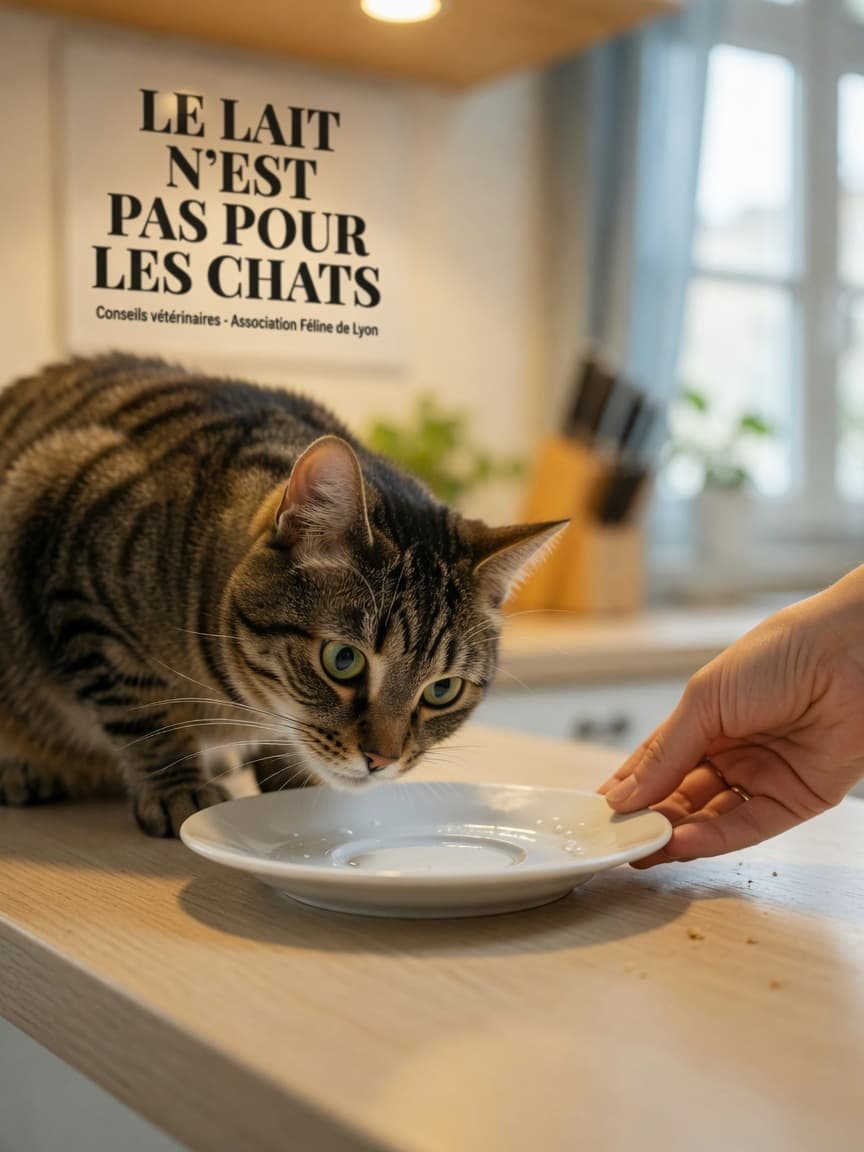
{"en": "Adult cat drinking from a saucer of milk on a wooden table, illustrating the common myth about feline nutrition", "es": "Gato adulto bebiendo leche de un platillo sobre una mesa de madera, ilustrando el mito com\u00fan sobre nutrici\u00f3n felina", "fr": "Chat adulte buvant du lait dans une soucoupe sur une table en bois, illustrant le mythe courant sur la nutrition f\u00e9line", "de": "Erwachsene Katze trinkt Milch aus einer Untertasse auf einem Holztisch und veranschaulicht den verbreiteten Mythos \u00fcber Katzenernaehrung", "nl": "Volwassen kat drinkt melk uit een schoteltje op een houten tafel, wat het veel voorkomende misverstand over kattenvoeding illustreert", "pt": "Gato adulto bebendo leite de um pires sobre uma mesa de madeira, ilustrando o mito comum sobre nutri\u00e7\u00e3o felina", "it": "Gatto adulto che beve latte da un piattino su un tavolo di legno, illustrando il mito diffuso sulla nutrizione felina"}

It's one of the most enduring images in popular culture: a contented cat lapping up a saucer of milk. However, this picturesque scene doesn't align with feline biology. The truth is that most adult cats cannot properly digest milk, and offering it regularly can lead to digestive upset and nutritional imbalances. Understanding why cats and milk don't mix is essential for every cat owner who wants to keep their pet healthy and comfortable.

Why Cats Are Lactose Intolerant

Most adult cats are lactose intolerant, meaning they lack sufficient levels of lactase—the enzyme required to break down lactose, a natural sugar found in milk. Kittens are typically born with adequate lactase levels to digest their mother's milk during nursing. However, after weaning (usually around 4-8 weeks of age), most cats naturally produce less lactase, making cow's milk increasingly difficult to digest.

This isn't a feline quirk—it's perfectly normal biology. In fact, lactose intolerance is the norm across all mammal species once animals reach adulthood. Cats simply haven't evolved to consume milk beyond their nursing phase.

What Happens When Cats Drink Milk?
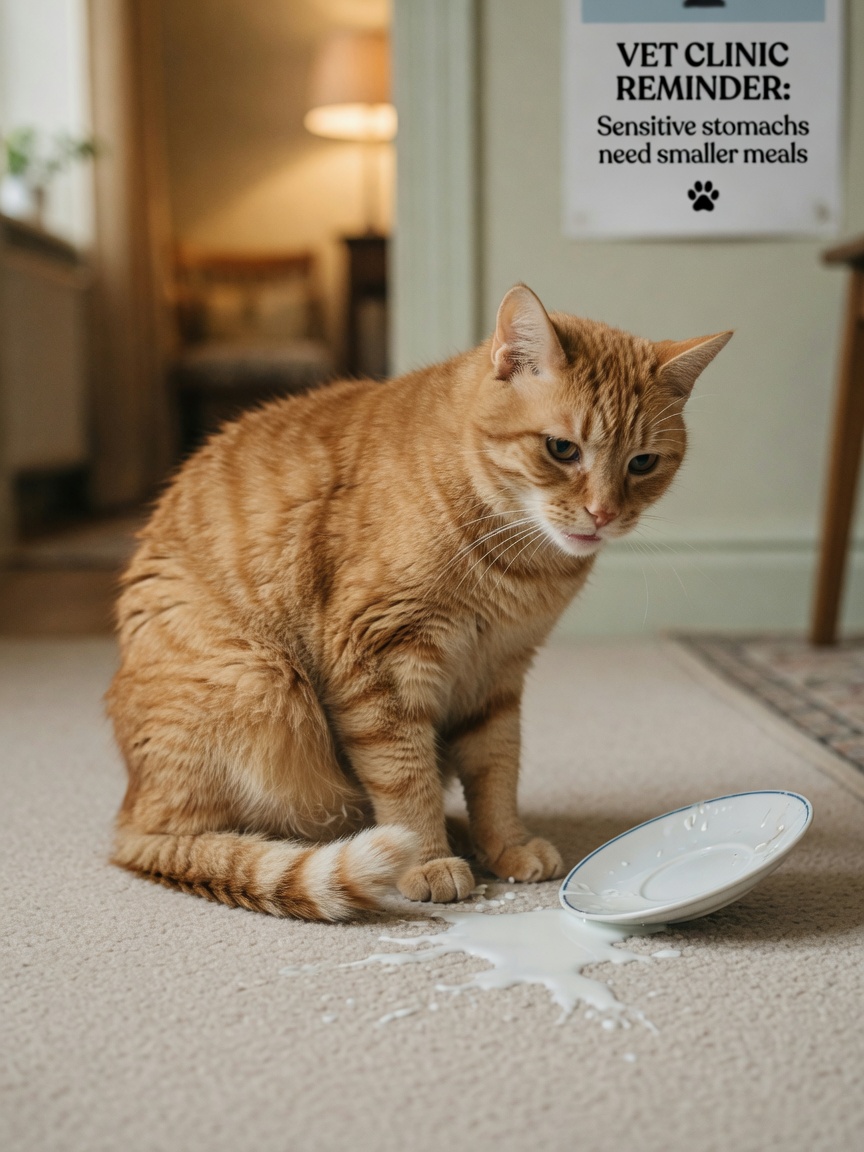
Ginger cat with uncomfortable posture next to spilled milk, showing signs of digestive distress

When a lactose-intolerant cat consumes milk, the undigested lactose passes through the digestive system largely intact. This can cause several uncomfortable symptoms:

  • Diarrhoea or loose stools
  • Vomiting
  • Abdominal cramping and bloating
  • Gas and digestive discomfort
  • Loss of appetite

Some cats show symptoms within hours, whilst others may have delayed reactions. If your cat has consumed milk and shows any of these signs, withhold dairy products immediately and monitor their condition.

Are There Safe Milk Alternatives?
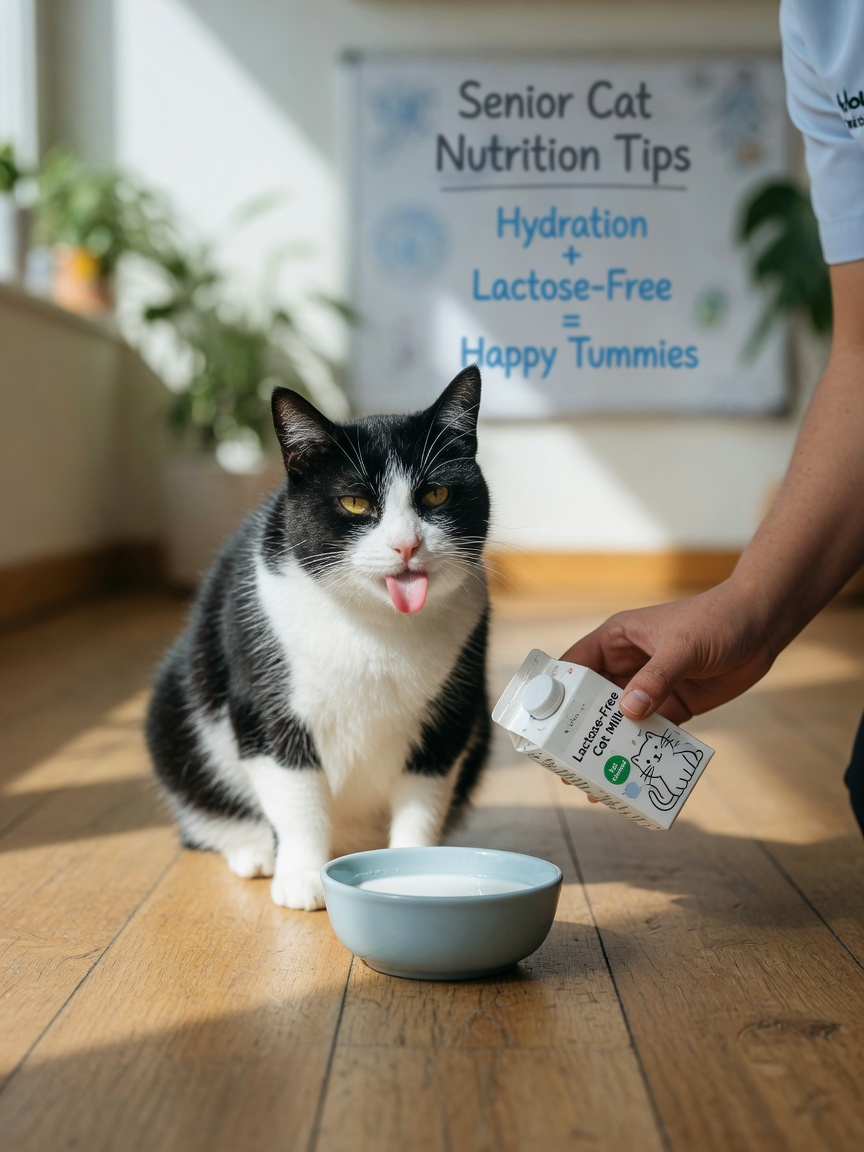
Black and white tuxedo cat contentedly drinking lactose-free cat milk from a bowl with vet's hand nearby

If you'd like to offer your cat a milk-like treat, several safer alternatives exist:

  1. Lactose-free cat milk: Specially formulated products designed for cats with reduced lactose content are available at most pet shops. These are safer than regular cow's milk.
  2. Goat's milk: Some cats tolerate goat's milk better than cow's milk due to its different protein structure, though it should still be offered sparingly.
  3. Cat-specific creams: Small amounts of specially prepared cat cream are less problematic than regular milk, though these remain occasional treats only.

Even with these alternatives, moderation is key. Milk and milk products should never replace fresh water or constitute a significant portion of your cat's diet.

What About Other Dairy Products?

Whilst milk is problematic, some cats can tolerate small amounts of certain dairy products:

  • Hard cheeses: Contain less lactose and can occasionally be offered in tiny portions
  • Yoghurt: The fermentation process reduces lactose, making it more digestible, though still an occasional treat
  • Butter: Contains minimal lactose and is less likely to cause issues in small amounts

However, even these should be rare treats. Many cats are also sensitive to the high fat content in dairy, which can contribute to obesity and pancreatitis.

The Best Hydration for Your Cat

Cats have a naturally low thirst drive and often don't drink enough water. Rather than offering milk as a way to increase fluid intake, focus on:

  • Providing fresh, clean water daily in multiple locations
  • Using a cat water fountain to encourage drinking through moving water
  • Offering wet food, which has high moisture content
  • Consulting your vet if your cat seems dehydrated

Key Takeaways

Most adult cats cannot digest milk properly due to lactose intolerance, making it an unsuitable drink choice. Rather than risking digestive upset, prioritise fresh water and a balanced diet formulated for feline nutritional needs. If you want to offer a special treat, choose lactose-free alternatives specifically designed for cats. When in doubt, consult your veterinary surgeon—they can recommend the best options for your individual cat's health requirements. Remember, the healthiest way to show your cat affection is through appropriate nutrition, not through foods their bodies weren't designed to process.

#can cats drink milk#cat health#feline nutrition#forpetshealthcare

Sources & further reading

This article is based on peer-reviewed veterinary research and reputable animal-health sources. Explore the underlying science in our Research Library.

Related articles

Can Cats Be Allergic to Dogs?

Many multi-pet households wonder whether their feline companions can develop allergies to their canine housemates. The simple answer is yes—cats can indeed be allergic to dogs, though it's far less common than you might think. Understanding the nature of these allergies and how to manage them is cru…

Read more →

What Vaccinations Does My Kitten Need?

Bringing a new kitten into your home is an exciting time, but it also comes with important responsibilities—and vaccination is one of the most critical decisions you'll make for their health. Kittens are particularly vulnerable to infectious diseases during their early weeks, which is why a proper v…

Read more →

What Can Cats Eat? Safe Human Foods & Toxic Ingredients

As a cat owner, you've probably wondered whether it's safe to share your meals with your feline friend. While cats are obligate carnivores with specific nutritional needs, several human foods can be offered as occasional treats—and just as importantly, many common household items can cause serious h…

Read more →

How to Kitten Proof Your Home

Bringing a new kitten into your home is an exciting time, but it also comes with significant responsibilities. Kittens are naturally curious, energetic, and prone to getting into trouble as they explore their new environment. Unlike adult cats, kittens lack the experience to recognise genuine danger…

Read more →

How to Care for a Sick Kitten

Caring for a sick kitten can be stressful, especially if you're a first-time cat parent. Young kittens are vulnerable to various illnesses, from viral infections to parasites, and recognising the signs early is crucial for their recovery. This guide will help you understand the essentials of kitten …

Read more →

Can Cats Have Blueberries? Is It Safe?

If you've ever wondered whether your feline friend can enjoy the same healthy snacks you do, you're not alone. Blueberries are a nutritional powerhouse for humans, packed with antioxidants and vitamins. But when it comes to our cats, the rules are quite different. The good news is that yes, cats can…

Read more →
Disclaimer:This article is for informational purposes only and does not constitute veterinary advice. Always consult a qualified veterinarian for your pet's health concerns.

Free newsletter

Pet health tips, straight to your inbox

Weekly science-backed advice for dog & cat owners. No spam, unsubscribe anytime.