ForPetsHealthcare
Cats

Feline Asthma: Signs, Triggers, and Long-Term Management

By Julia WrenfieldUpdated October 19, 20261 min read
Evidence-based · Sources checked
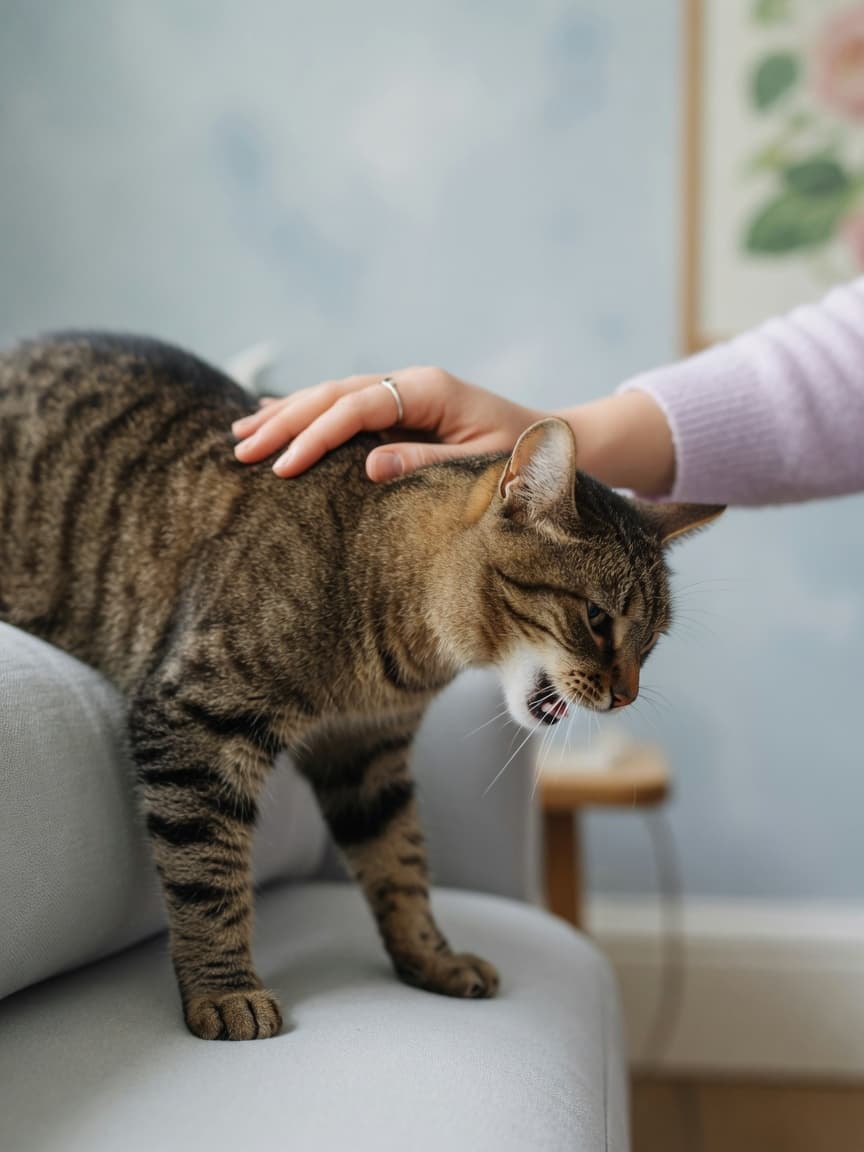
{"en": "Cat receiving inhaler treatment for asthma management with veterinary guidance", "es": "Gato recibiendo tratamiento con inhalador para el manejo del asma felino", "fr": "Chat recevant un traitement par inhalateur pour la gestion de l'asthme f\u00e9lin", "de": "Katze erh\u00e4lt Inhalatorbehandlung zur Kontrolle von Feline Asthma", "nl": "Kat krijgt inhalatorterapie voor behandeling van feline astma", "pt": "Gato recebendo tratamento com inalador para controle da asma felina", "it": "Gatto in terapia con inalatore per il controllo dell'asma felino"}

Feline asthma is a common chronic respiratory condition that responds well to treatment.

Signs

  • Coughing (often mistaken for hairballs)
  • Wheezing
  • Open-mouth breathing
  • Crouching with neck extended and elbows out

Emergency

Open-mouth breathing or blue-tinged gums — go to emergency vet immediately.

Common Triggers
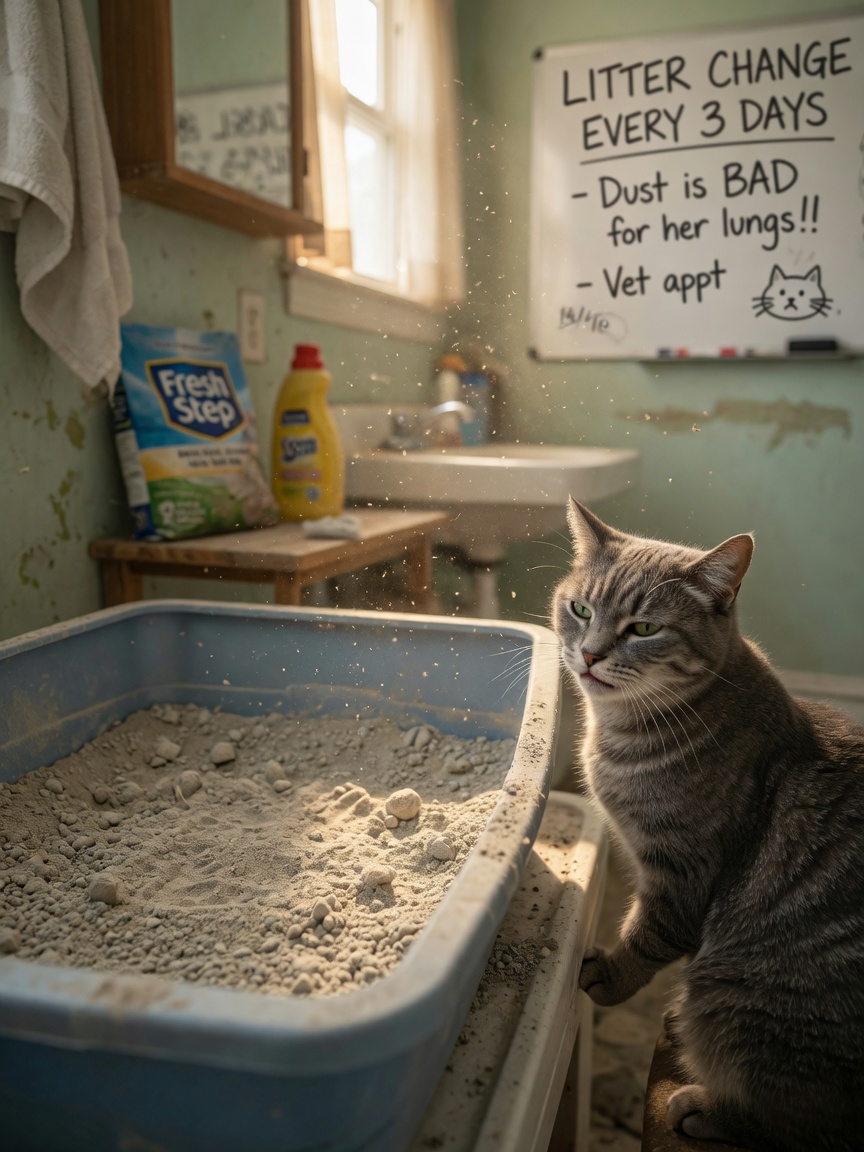
Dusty cat litter box with visible dust particles and a gray tabby cat sitting nearby, avoiding the dust
  • Cigarette smoke
  • Dusty cat litter
  • Aerosol sprays, scented candles
  • Pollen and mould

Treatment

  • Corticosteroids: reduce airway inflammation
  • Bronchodilators: rescue inhaler for attacks
  • AeroKat chamber: allows cats to use metered-dose inhalers
  • Environmental trigger reduction
#feline asthma signs management#forpetshealthcare

Sources & further reading

This article is based on peer-reviewed veterinary research and reputable animal-health sources. Explore the underlying science in our Research Library.

Related articles

Can Cats Get Colds?

If you've noticed your cat sneezing, coughing, or seeming under the weather, you might be wondering whether cats can actually catch a cold like humans do. The short answer is yes—cats absolutely can get colds, though their "feline cold" isn't quite the same as what we experience. Understanding how c…

Read more →

Can Cats Eat Cheese? Is There Cause for Concern?

If you've ever enjoyed a cheese board and noticed your cat's curious eyes following each morsel, you're not alone. Many cat owners wonder whether sharing a small piece of cheese with their feline friend is safe. The short answer is: yes, cats can eat cheese in moderation, but there are important con…

Read more →

What Is Feline Cerebellar Hypoplasia?

If you've noticed your cat stumbling, swaying, or displaying unusual coordination problems, you may be concerned about a neurological condition. Feline cerebellar hypoplasia (FCH) is a developmental disorder that affects the cerebellum—the part of the brain responsible for balance, coordination, and…

Read more →

How to Deworm Kittens and Cats

Worm infestations are one of the most common health issues affecting kittens and cats worldwide. Whether your feline friend is a playful kitten exploring the garden or an indoor adult cat, parasitic worms can pose serious health risks ranging from nutritional deficiencies to life-threatening complic…

Read more →

Can Cats Eat Carrots? Here's What a Vet Says

If you've ever caught your cat eyeing your vegetable snacks or watched them bat at a carrot on the kitchen counter, you might wonder: are carrots safe for cats? The short answer is yes—cats can eat carrots in moderation, and they can even provide some nutritional benefits. However, there are importa…

Read more →

How to Burrito a Cat and Avoid Feline Fussiness

If you've ever needed to administer medication, trim nails, or examine a wound on your cat, you've likely discovered that felines have a remarkable ability to transform into furry octopi. The "cat burrito" technique—wrapping your pet securely in a blanket or towel—is a time-honoured method that vete…

Read more →
Disclaimer: This article is for informational purposes only and does not constitute veterinary advice. Always consult a qualified veterinarian for your pet's health concerns.

Free newsletter

Pet health tips, straight to your inbox

Weekly science-backed advice for dog & cat owners. No spam, unsubscribe anytime.