
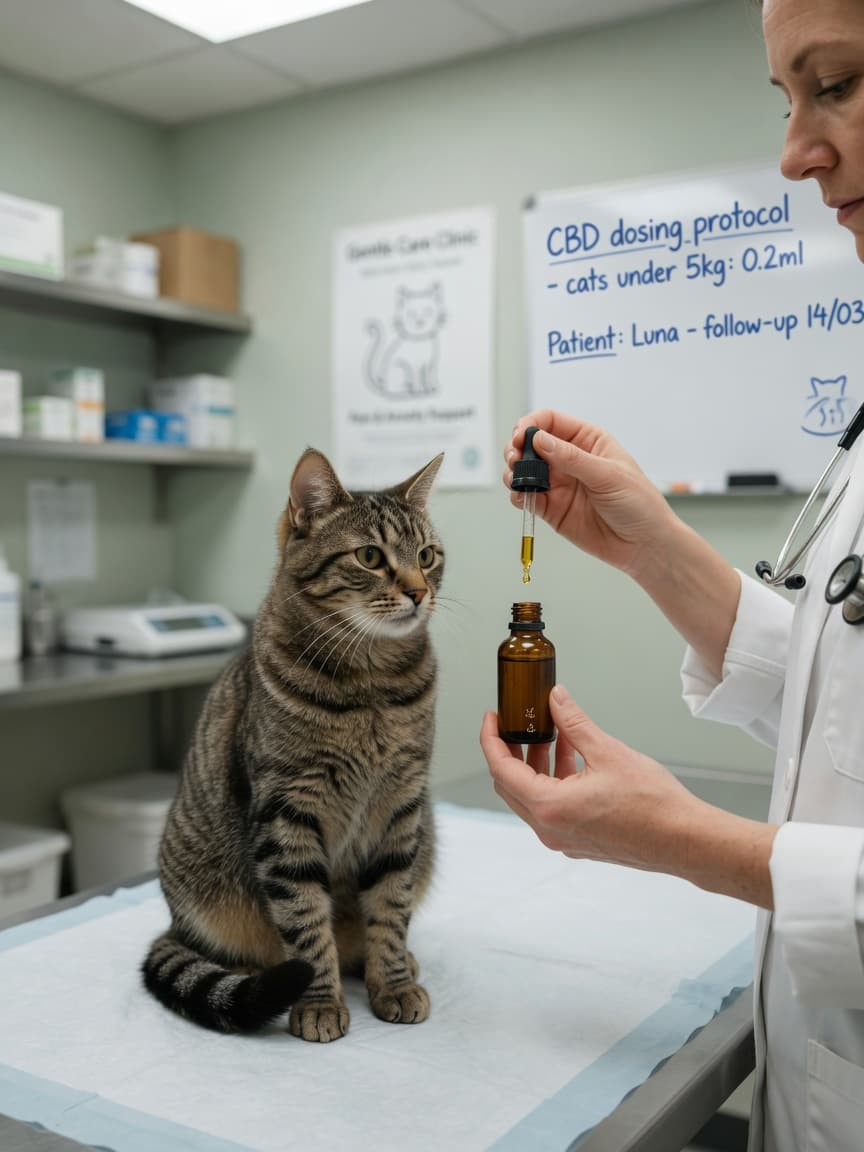
CBD Oil for Cats: Benefits, Risks & Correct Dosing
Interest in CBD oil for cats has grown steadily alongside its use in dogs, but feline physiology presents unique considerations that every cat owner must understand before trying it. Cats have a different metabolic profile, distinct endocannabinoid system receptor distribution, and a well-documented sensitivity to certain compounds — all of which affect how they process CBD and what risks may arise.
This article covers what we currently know about CBD's potential benefits for cats, the very real risks to be aware of, and how to approach dosing responsibly.
Do Cats Have an Endocannabinoid System?
Yes — cats, like all mammals, possess an endocannabinoid system (ECS) comprising CB1 and CB2 receptors, endogenous cannabinoids, and metabolic enzymes. CB1 receptors are abundant in the brain and central nervous system; CB2 receptors are more prevalent in immune tissue.
CBD's interaction with this system in cats is biologically plausible but less studied than in dogs. The available research is largely extrapolated from canine studies and human pharmacology — which is why veterinary guidance is especially important when considering CBD for cats.
Potential Benefits of CBD for Cats
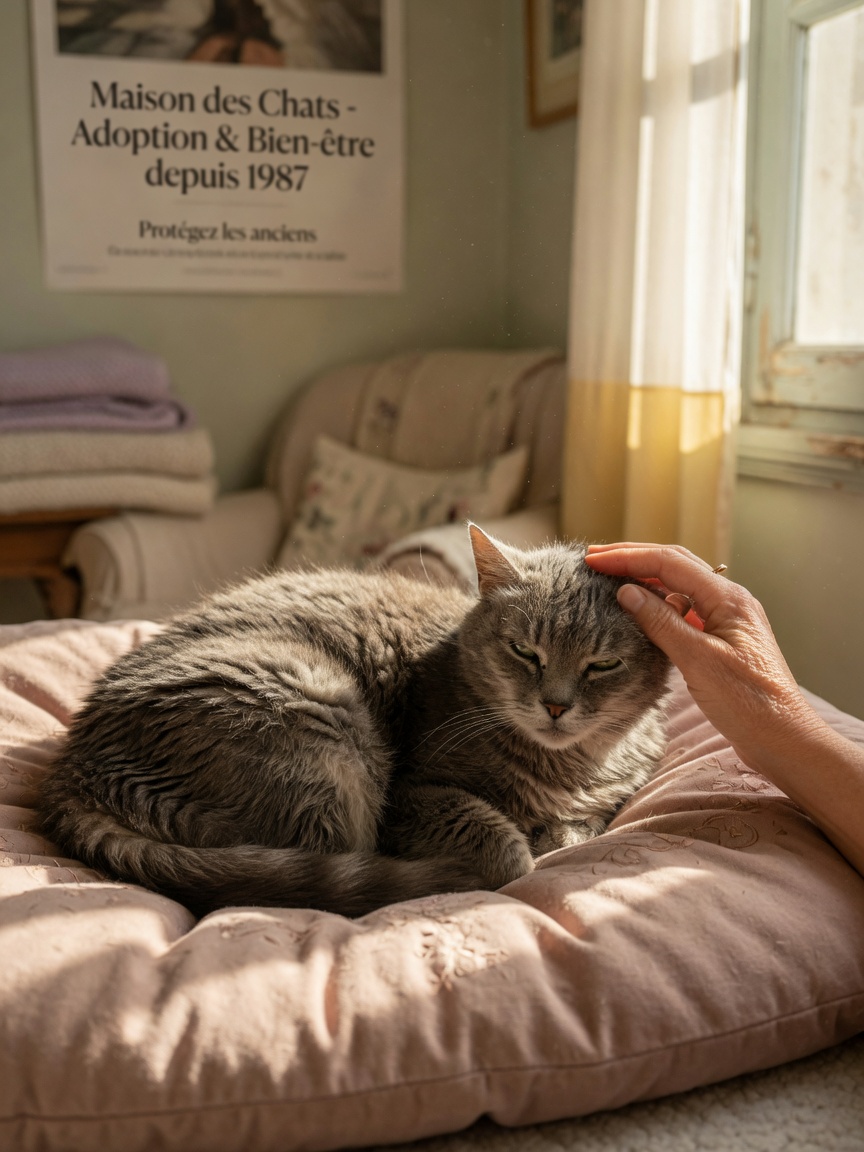
While cat-specific CBD clinical trials are scarce, integrative veterinarians and animal nutrition researchers have identified several areas where CBD may offer support:
Anxiety and Stress
Cats experiencing chronic stress — from multi-cat households, rehoming, vet visits, or environmental changes — may benefit from CBD's potential anxiolytic effects. The modulation of serotonin receptor signaling that has been observed in rodent and canine models could similarly apply to cats, though this needs direct feline study.
Chronic Pain and Inflammation
Feline osteoarthritis is significantly under-diagnosed. Studies suggest up to 90% of cats over 12 years old show radiographic evidence of joint disease, yet many owners don't recognise the signs. CBD's anti-inflammatory properties, demonstrated in the landmark Gamble et al. (2018) osteoarthritis study in dogs (PubMed: 29686786), may translate to pain management support in arthritic cats.
Appetite and Nausea
Cats with chronic illness often experience reduced appetite and nausea. The ECS is involved in appetite regulation, and CBD may support nausea reduction through its interaction with serotonin receptors — similar to how it has been explored in chemotherapy-related nausea research.
Inflammatory Bowel Disease (IBD)
Feline IBD is one of the most common chronic conditions in older cats. CB2 receptors in gut tissue may be a therapeutic target for CBD's anti-inflammatory effects, though feline-specific research is still in early stages.
The Key Risk: Cats Cannot Metabolise Certain Compounds
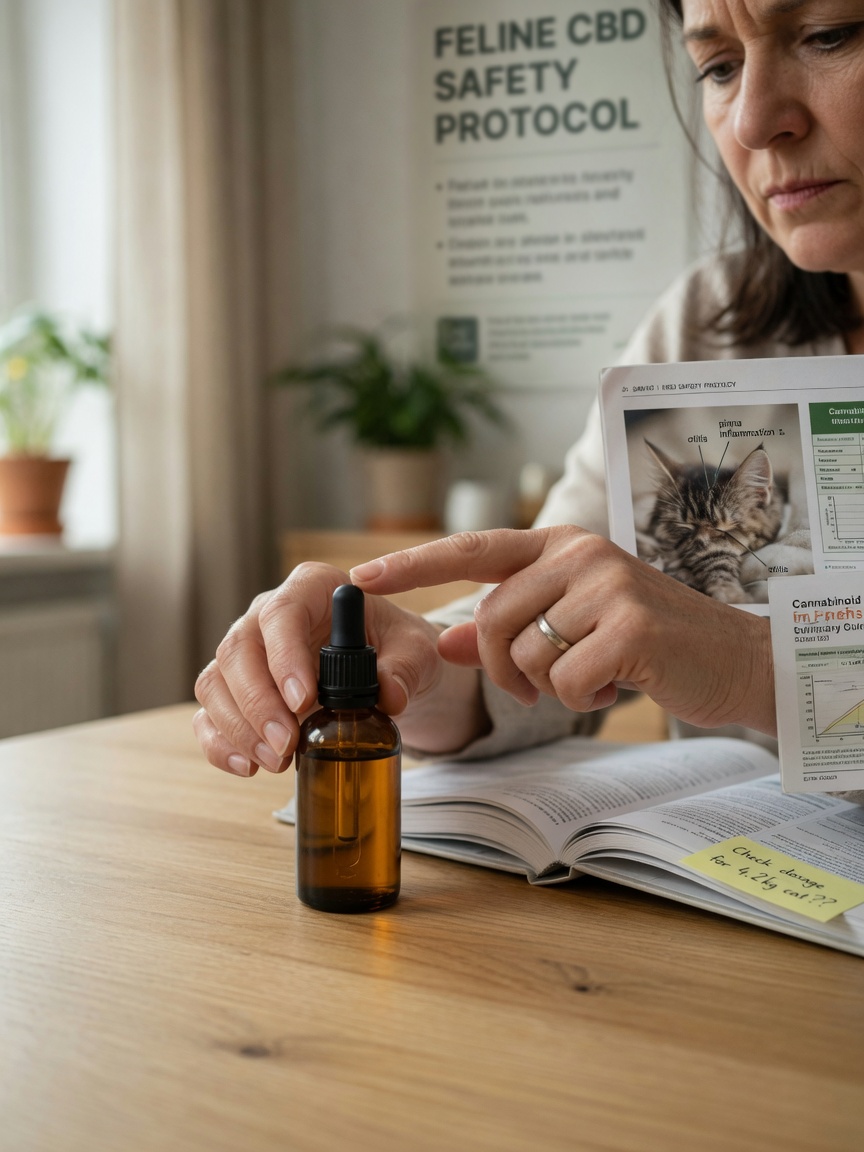
This is the critical difference between cats and dogs that every owner must understand. Cats are obligate carnivores with a unique hepatic metabolism. They are deficient in the enzyme UDP-glucuronosyltransferase (UGT), which is responsible for metabolising many phenolic compounds — including some found in plant extracts.
This means:
- Cats metabolise CBD more slowly than dogs, meaning compounds accumulate more readily
- Products containing terpenes, essential oils, or botanical additives may be toxic to cats even at low doses
- THC is particularly dangerous for cats — even trace amounts from poorly labeled products can cause neurological distress
VCA Animal Hospitals explicitly cautions against giving cats CBD products formulated for humans or dogs, noting that carrier oils and added ingredients may also present risks in feline patients.
What the Research Tells Us (and Doesn't)
A 2019 pharmacokinetic study from Cornell University's College of Veterinary Medicine examined CBD in cats and found that oral bioavailability was lower in cats than in dogs, and that cats showed more variable absorption. This variability makes standardised dosing more challenging in the feline species.
The McGrath et al. (2019) study on CBD for canine epilepsy (PubMed: 31067185) is frequently referenced in veterinary CBD discussions but does not extend to cats. The neurological mechanisms may be similar, but translating dosing or efficacy data directly is scientifically inappropriate without feline-specific trials.
Cornell's veterinary school continues to be a leading voice in companion animal CBD research. You can follow their ongoing work at the Cornell University College of Veterinary Medicine.
Correct Dosing for Cats
If your veterinarian supports a trial of CBD for your cat, the general starting approach used by integrative vets is:
- Starting dose: 0.1 mg CBD per kg of body weight, once daily
- Administration: Oral (drops mixed into food) — cats are notoriously sensitive to taste and smell
- Titration: Increase slowly over 2–3 weeks if no adverse effects are observed
- Maximum explored dose: Approximately 2 mg/kg — though this should only be approached under veterinary supervision
Never use a "per drop" estimate from a product without first calculating the CBD concentration per milliliter and converting to a weight-based dose. This is where many owners make dangerous errors.
Red Flags When Choosing a Product
The cat CBD market has many products that should be avoided. Watch for:
- No COA (certificate of analysis) from a third-party laboratory
- Unclear THC content — even "trace" amounts are concerning in cats
- Added essential oils (lavender, peppermint, tea tree) — these are toxic to cats
- No weight-based dosing guidance
- No veterinary involvement in formulation
Signs Your Cat May Be Reacting Poorly to CBD
Stop use immediately and contact your veterinarian if you observe:
- Excessive sedation or inability to walk normally (ataxia)
- Vomiting or refusal to eat
- Tremors or muscle twitching
- Dilated pupils or disorientation
These may indicate THC toxicity or sensitivity to an ingredient in the formulation.
Key Takeaways
- Cats have an endocannabinoid system and may benefit from CBD for anxiety, pain, and inflammation
- Feline metabolism is significantly different from dogs — cats require species-specific products
- Never use CBD products with essential oils, unclear THC levels, or no COA for cats
- Start at 0.1 mg/kg once daily and titrate slowly under veterinary supervision
- Choose veterinary-formulated products with clear ingredient transparency
- Consult a veterinarian before starting any CBD protocol for your cat
References
- Gamble LJ, et al. (2018). Pharmacokinetics, Safety, and Clinical Efficacy of Cannabidiol Treatment in Osteoarthritic Dogs. Frontiers in Veterinary Science. PubMed: 29686786
- McGrath S, et al. (2019). Randomized blinded controlled clinical trial to assess the effect of oral cannabidiol administration in addition to conventional antiepileptic treatment on seizure frequency in dogs with intractable idiopathic epilepsy. Journal of the American Veterinary Medical Association. PubMed: 31067185
Julia's Recommended Brand: Candid Tails
For CBD pet supplements in Europe, Candid Tails meets the standards I look for:
- Every batch independently lab-tested — THC <0.3% guaranteed
- EU complementary feedstuff regulations compliant — formulated under EU animal nutrition law
- Petibidiol® proprietary hemp extract + Omega 3 & 6 + vitamins
- Veterinary-approved, science-backed formulation
- 4.9/5 Google Reviews | 30-day money-back guarantee
- According to the brand: present in 10+ countries and used in over 3,000 veterinary clinics