

Can Dogs Eat Seaweed? Sheets vs Wild Beach Seaweed
Key Takeaways
- Plain, unseasoned dried nori sheets and seaweed snacks are safe for dogs in small amounts.
- Wild seaweed washed up on beaches is extremely dangerous — it expands dramatically in the stomach, may contain pollutants and bacteria, and can cause life-threatening obstruction.
- Seaweed products seasoned with salt, garlic, or onion are inappropriate for dogs.
- Nori provides iodine, omega-3 fatty acids, iron, and vitamin B12 — genuine nutritional benefits.
- Excessive iodine from large amounts of seaweed can disrupt thyroid function — moderation is critical.
Understanding the Two Types of Seaweed Risk
When a dog owner asks "can my dog eat seaweed?", the answer diverges dramatically depending on which kind of seaweed we are discussing. Seaweed as a broad category encompasses everything from the plain nori sheet you wrap sushi in to the decomposing, bacteria-laden clumps of kelp your dog finds irresistible on a beach walk. These two scenarios carry completely different risk profiles, and conflating them can lead to serious error.
The simple rule: commercially prepared, plain, unseasoned seaweed = generally safe in small amounts. Wild seaweed from beaches, lakes, or coasts = do not allow your dog to eat it under any circumstances.
Why Wild Beach Seaweed Is Dangerous
Wild seaweed, particularly the large kelp and wrack varieties (such as Laminaria and Fucus species) that accumulate on beaches, presents multiple overlapping dangers for dogs:
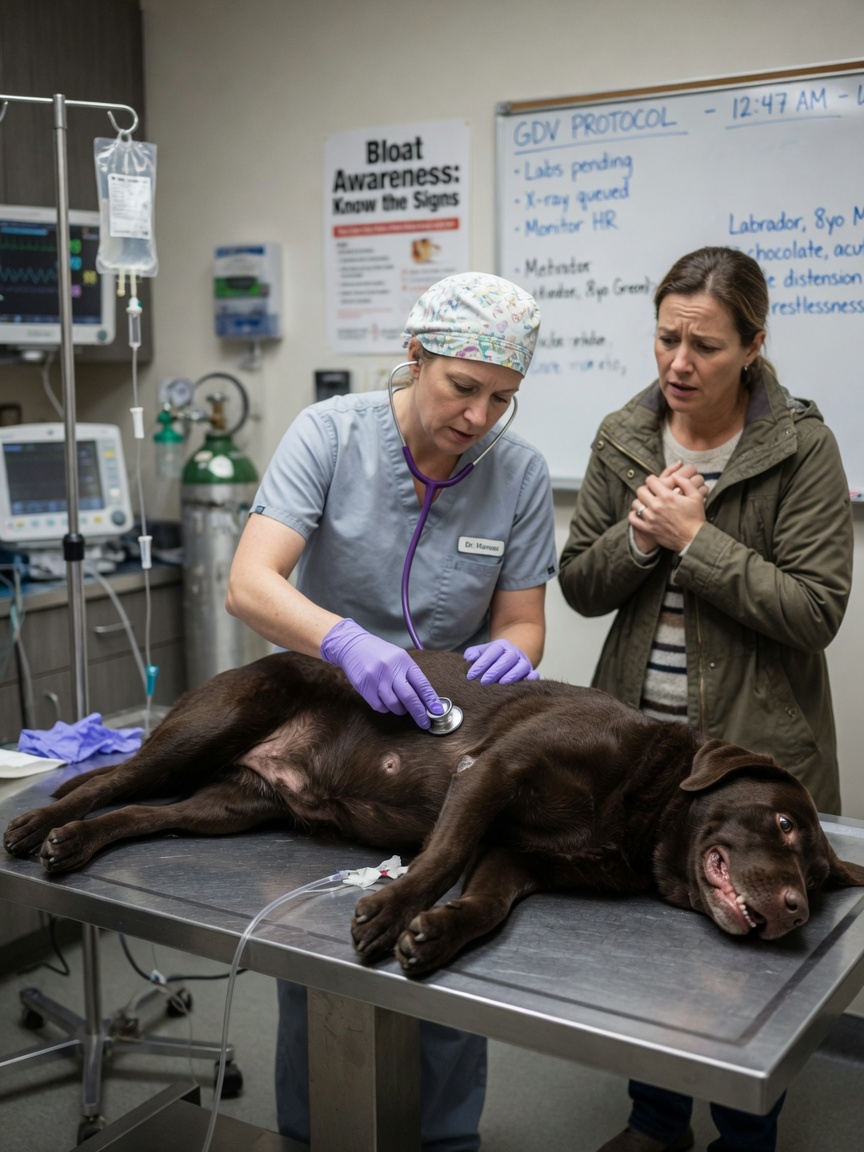
Dramatic expansion in the stomach: dried and desiccated wild seaweed can expand to many times its dry volume when it contacts moisture. A dog that eats what appears to be a small, compact clump of dried beach seaweed may actually be consuming enough material to cause life-threatening gastric dilatation once it absorbs stomach fluid. This is similar in mechanism to the corn-cob or foam obstruction emergencies seen in veterinary emergency rooms. Symptoms of stomach expansion and obstruction include bloating, repeated unsuccessful vomiting, visible abdominal distension, and progressive collapse. This is a veterinary emergency requiring immediate treatment.
Environmental pollutants: coastal seaweed accumulates whatever is present in the seawater surrounding it. This includes heavy metals (arsenic, lead, mercury, cadmium), petroleum residues, microplastics, and agricultural runoff containing pesticides and herbicides. Consumption of wild seaweed regularly or in quantity could expose dogs to a toxic accumulation of these environmental contaminants.
Bacterial and pathogen contamination: seaweed decomposing on a beach is an ideal substrate for Vibrio bacteria, E. coli, and other pathogens. Ingestion can cause acute bacterial gastroenteritis — severe vomiting and diarrhoea — that may require supportive veterinary care.
Cyanobacteria (blue-green algae): in warm, brackish, or freshwater environments, certain algae can produce hepatotoxins (microcystins) and neurotoxins that are acutely life-threatening to dogs. While technically not seaweed, dogs often encounter and eat algal mats at the water's edge during the same beach or lakeside outings where seaweed is present. Any blue-green algae ingestion is a veterinary emergency.
Nori and Dried Seaweed Snacks: The Safe Option
Commercial nori sheets — the thin, dried seaweed used in Japanese cuisine to wrap sushi and onigiri — are made from Porphyra species of red algae. Plain, unseasoned nori is safe for dogs in small amounts and offers genuine nutritional value:
- Iodine: essential for thyroid hormone synthesis. Dogs require dietary iodine, and nori is one of the richer plant-derived sources available.
- Omega-3 fatty acids: particularly EPA and DHA, which support skin and coat health, cognitive function, and cardiovascular health. Marine algae are the original source of these omega-3s (fish accumulate them by eating algae).
- Vitamin B12: one of the few plant-derived sources of B12, important for neurological function and red blood cell formation.
- Iron and zinc: both involved in immune function, cellular repair, and haematological health.
- Protein: nori is surprisingly protein-dense for a plant, containing all essential amino acids.
Dried kelp supplements are also widely used in veterinary integrative medicine for dogs, particularly to support thyroid function and coat quality. Kelp-based products formulated specifically for dogs come in measured doses that prevent iodine overconsumption.
The Iodine Caveat: Too Much Thyroid Support Is a Problem
Iodine is a double-edged nutrient. While deficiency causes hypothyroidism, excess iodine can cause hyperthyroidism or exacerbate existing thyroid disorders. Seaweed, particularly kelp, is exceptionally high in iodine — a single gram of dried kelp can contain 150–2000 mcg of iodine, depending on species and origin. The dog's requirement is approximately 140–400 mcg per day for most breeds.
Offering your dog large amounts of nori or kelp regularly risks iodine toxicity, which can disrupt thyroid hormone production, cause goitre, and in severe cases lead to thyrotoxicosis. Nori should be offered as an occasional small treat (half a sheet or less), not a daily supplement — unless using a specifically formulated, dosed kelp supplement under veterinary guidance.
Seaweed Products to Avoid
Many commercial seaweed snacks — even those marketed for human health — are heavily seasoned with salt, soy sauce, sesame oil, garlic powder, or onion flavourings. These are all inappropriate for dogs. Check every ingredient label before offering any seaweed product to your dog. If in doubt, choose plain toasted nori from a sushi supply store rather than a flavoured snack variety.
Want to deliver omega-3s and marine nutrition to your dog safely? HolistaPet's omega-3 supplements use marine-sourced ingredients in controlled, dog-appropriate doses — no iodine overload risk.
What to Do If Your Dog Ate Beach Seaweed
If your dog ate wild seaweed on a beach walk, act promptly. Offer fresh water immediately to help dilute stomach contents. Watch for signs of bloating, distension, repeated unproductive vomiting, or progressive lethargy. These may indicate gastric expansion or obstruction — contact your vet immediately if any of these appear. Even if your dog seems fine, inform your vet about the incident at your next appointment, as heavy metal exposure from wild seaweed warrants discussion if it becomes a repeated habit.
Scientific References
- Teas J, Pino S, Critchley A, Braverman LE. Variability of iodine content in common commercially available edible seaweeds. Thyroid. 2004;14(10):836–841. PMID: 15588380
- Calder PC. Omega-3 fatty acids and inflammatory processes: from molecules to man. Biochemical Society Transactions. 2017;45(5):1105–1115. PMID: 28900017