
Can Cats Eat Rice?
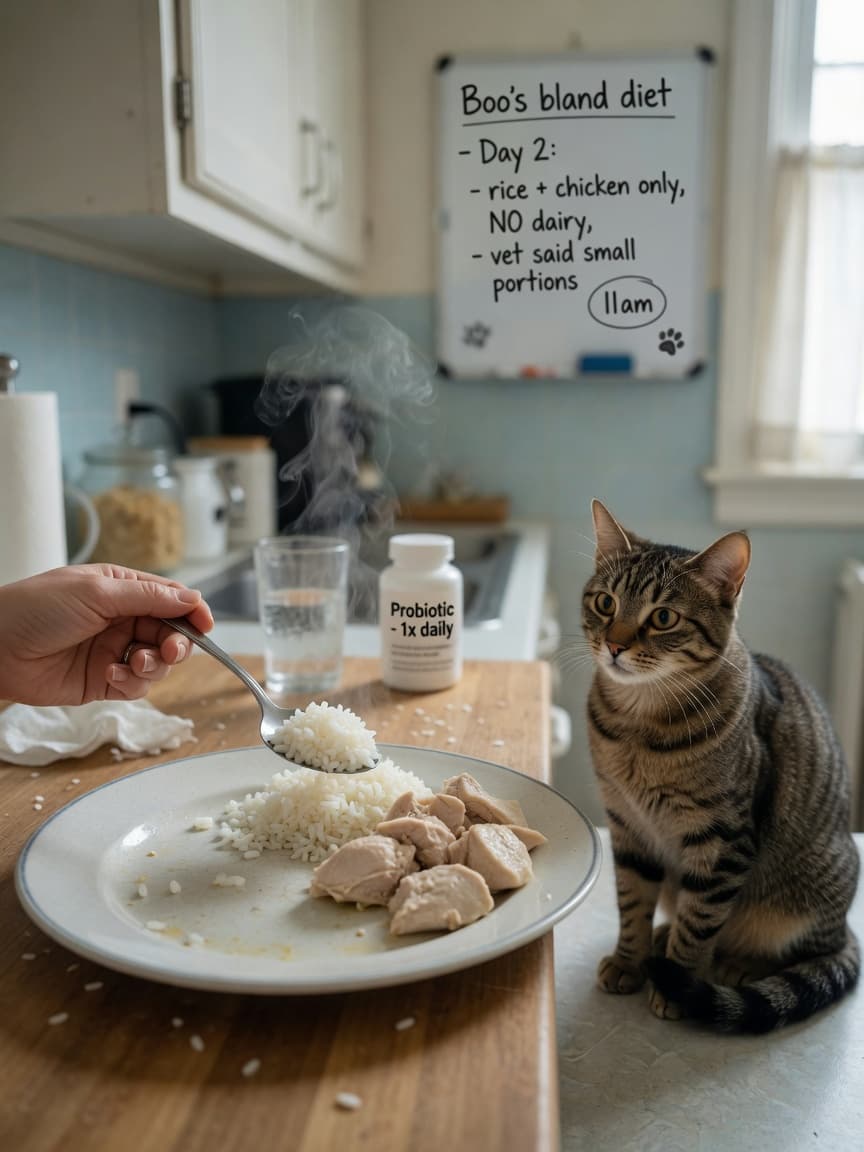
Rice is one of those foods people reach for instinctively when their cat has an upset stomach — often because it is the same thing we give ourselves when we feel unwell. The reassuring news is that plain, cooked rice is not harmful to cats in small quantities. The more nuanced truth is that rice offers very little nutritional value to a species that has no biological requirement for carbohydrates. Understanding this distinction helps you use rice appropriately rather than as a dietary staple.
The Feline Digestive System and Carbohydrates
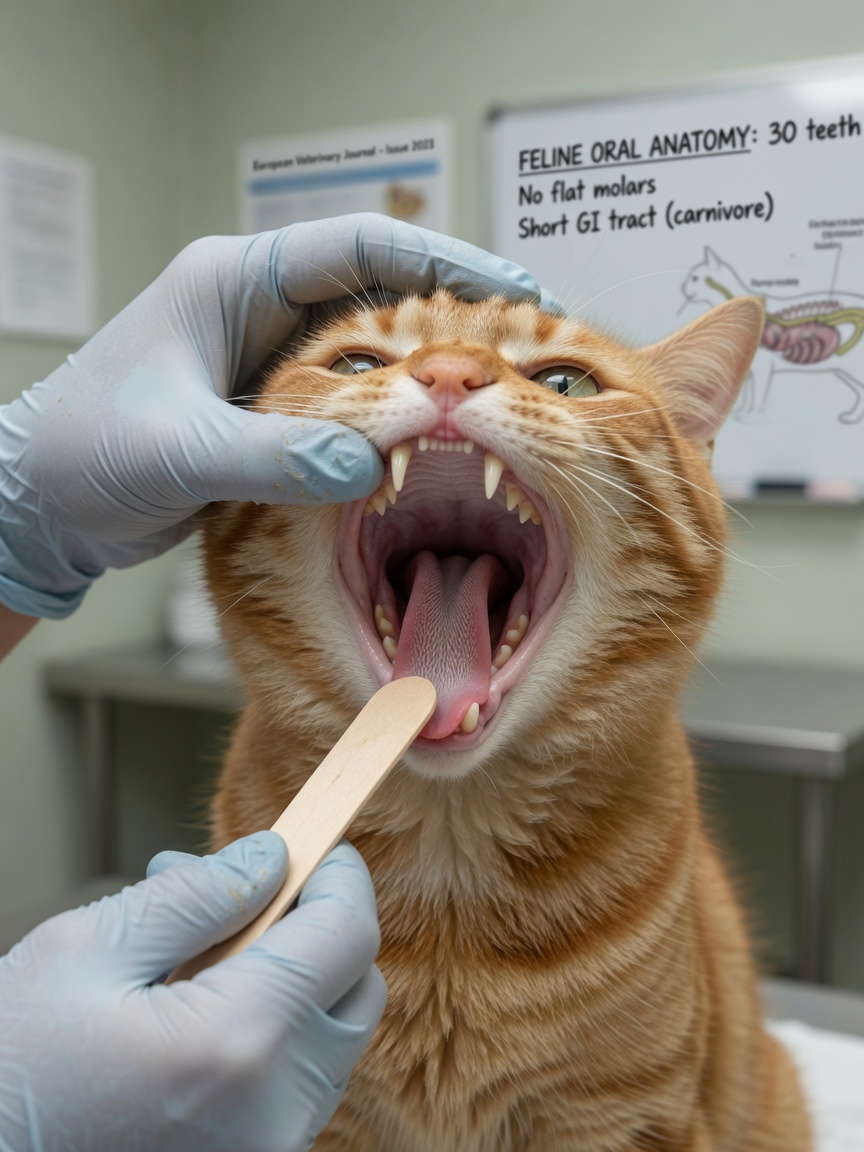
Cats are obligate carnivores. Their digestive systems evolved to extract nutrients from animal tissue, not plant material. Unlike dogs — or humans — cats have very low amylase activity in their saliva and limited pancreatic amylase production. Amylase is the enzyme responsible for breaking down starch, so cats are inherently less efficient at digesting carbohydrate-rich foods like rice compared to omnivores.
This does not mean cats cannot digest rice at all. When rice is cooked thoroughly, the starch granules swell and become more accessible, improving digestibility considerably. Studies have shown that well-cooked white rice can achieve digestibility rates of around 90–95% in cats, which is actually quite high. The issue is not that cats cannot process it — it is that it contributes little that a cat actually needs.
White Rice vs Brown Rice for Cats
If you are going to offer rice, white rice is generally the better choice for cats, particularly during digestive episodes. The reasons are practical:
- White rice is lower in fibre, which makes it gentler on an irritated gastrointestinal tract
- Brown rice retains its bran layer, adding insoluble fibre that can worsen diarrhoea in some cats
- White rice is easier to digest overall due to its softer, more broken-down starch structure after cooking
- Brown rice has marginally more nutrients, but these are largely irrelevant given the tiny portions appropriate for cats
Neither variety should be fed raw. Raw rice is indigestible and may cause bloating, gas, and digestive discomfort. Always cook rice thoroughly in plain water with no salt, stock, butter, or seasoning added.
When Rice Might Actually Help
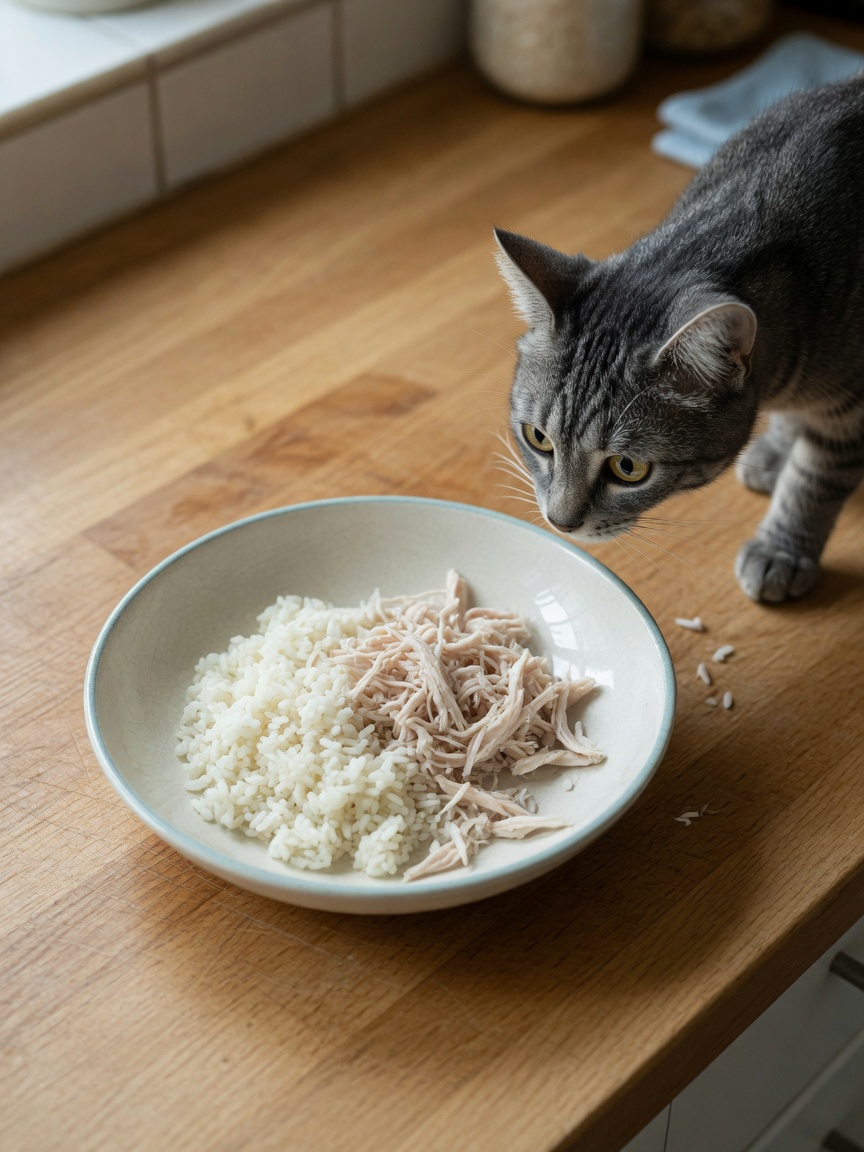
The main legitimate use case for rice in a cat's diet is as a short-term dietary aid during mild gastrointestinal upset. Vets and veterinary nurses sometimes recommend a bland diet of boiled chicken and white rice for cats experiencing non-specific diarrhoea or vomiting — the same approach used in dogs.
The logic is straightforward: rice provides easy-to-digest calories to keep energy levels up while the gut recovers, without the inflammatory load of fats or complex proteins. The starch in cooked white rice may also have a mild binding effect on loose stools. This approach is typically recommended for 24–48 hours before gradually reintroducing regular food.
However, it is worth noting that the scientific basis for bland diets in cats is largely extrapolated from canine and human gastroenterology rather than robust feline-specific trials. Many vets now prefer prescription gastrointestinal diets, which are nutritionally complete and specifically formulated for gut recovery. If your cat is experiencing repeated digestive issues, a vet assessment is far more valuable than a home remedy.
How Much Rice Can You Give a Cat?
Very little. Rice should never make up a significant portion of a cat's meal. As a temporary digestive aid, mixing a small amount — roughly a teaspoon to a tablespoon — with plain cooked chicken or a small amount of the cat's usual food is appropriate. Think of it as a dilution tool rather than a food in its own right.
Feeding rice regularly or in larger quantities comes with real downsides:
- It displaces protein-rich food that cats genuinely need for muscle maintenance, immune function, and organ health
- The caloric contribution from carbohydrates is not ideal for feline metabolism, which is optimised to run on fat and protein
- Over time, a diet high in carbohydrates has been associated with increased risk of obesity and type 2 diabetes in cats
- It provides no taurine, no arachidonic acid, and no retinol — all nutrients cats must obtain from animal sources
Rice in Commercial Cat Food
You may have noticed rice listed as an ingredient in some commercial cat foods. This is not inherently problematic at the quantities used. Manufacturers include rice as a binding agent, a carbohydrate filler to reduce cost, or as a digestible energy source. Provided the food meets FEDIAF (European) or AAFCO (American) nutritional profiles and animal protein remains the primary ingredient, the presence of rice in small amounts is unlikely to cause harm.
Where it becomes a concern is in foods where rice or other grains appear high on the ingredients list, pushing animal protein down. Always check that named meat or fish appears as the first ingredient and that the protein percentage is appropriate for your cat's life stage.
When to Call the Vet Instead
Rice is not a cure for serious gastrointestinal problems. If your cat is vomiting repeatedly, showing signs of lethargy, has blood in the stool, or has not eaten in more than 24 hours, veterinary attention is needed. Conditions such as pancreatitis, intestinal blockage, inflammatory bowel disease, or parasitic infection require proper diagnosis and treatment — none of which rice can address.
Use rice for what it is: a temporary, minor dietary measure for mild, transient tummy trouble. Keep it plain, keep it minimal, and keep it brief. Beyond that, a well-formulated species-appropriate diet is always going to serve your cat better than any grain-based supplement.