
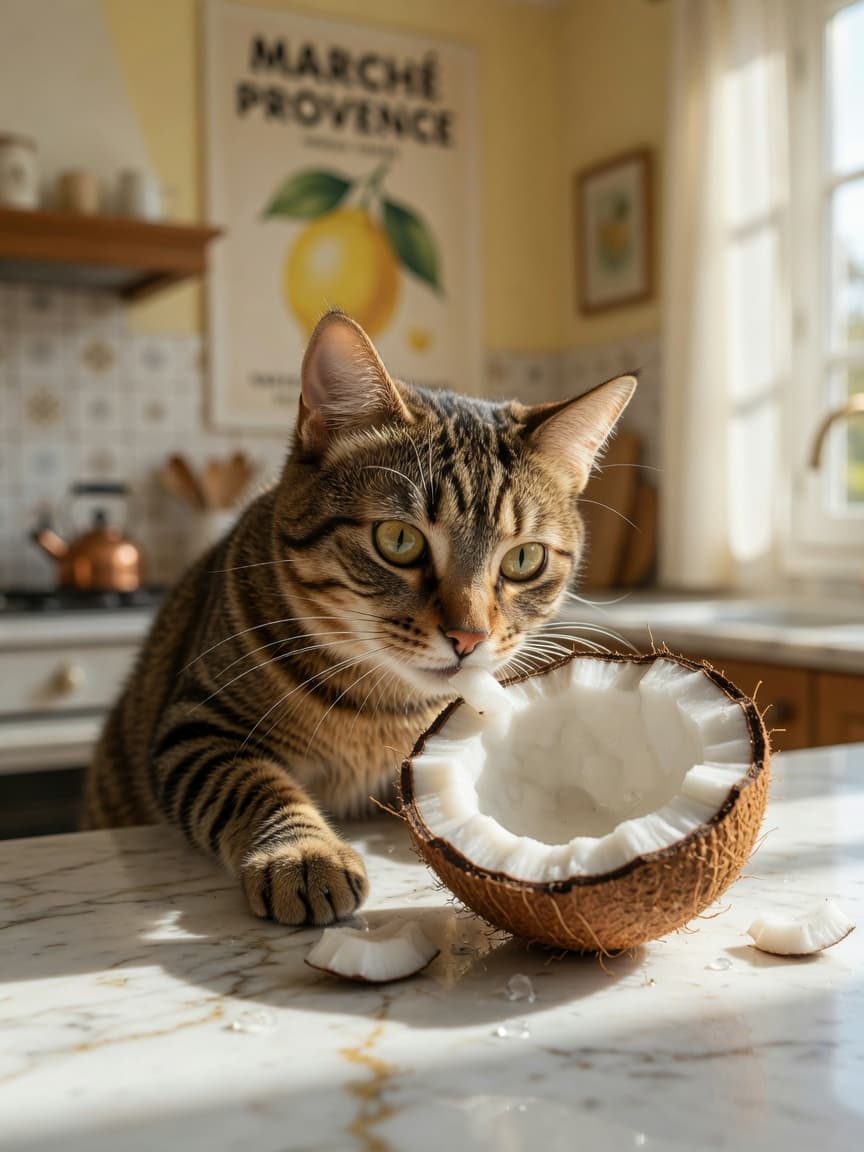
Coconut has become increasingly popular in human diets, praised for its nutritional benefits and versatility. As pet owners, you may wonder whether this tropical ingredient is safe to share with your feline companion. The short answer is yes, cats can eat coconut in moderation, but there are several important considerations to understand before offering it to your cat. This comprehensive guide will help you navigate coconut consumption safely and make informed decisions about your cat's diet.
Is Coconut Safe for Cats?
Coconut is not toxic to cats, which is reassuring news for concerned pet owners. However, this doesn't mean it should become a regular part of your cat's diet. Cats are obligate carnivores, meaning their bodies are designed primarily to digest and derive nutrition from meat-based proteins. Coconut, being a plant-based ingredient, doesn't align naturally with feline nutritional requirements.
The safety of coconut depends largely on the form in which it's offered and the quantity consumed. Fresh coconut flesh, coconut oil, and unsweetened coconut milk can be given in very small amounts, whereas products containing added sugars, artificial sweeteners, or excessive fats should be avoided entirely.
Potential Benefits of Coconut for Cats
Whilst coconut isn't essential for your cat's health, it does contain some compounds that may offer modest benefits:
- Lauric acid: This medium-chain fatty acid has antimicrobial properties and may support immune function
- Antioxidants: Coconut contains polyphenols, which help combat oxidative stress in the body
- Hydration: Coconut water (not coconut milk) can contribute to fluid intake, beneficial for cats prone to dehydration
- Coat health: The natural oils in coconut may support skin and coat condition when used externally or in minimal quantities
That said, these benefits are minimal compared to what a balanced, species-appropriate diet provides. Your cat receives superior nutrition from high-quality commercial cat food or a veterinary-approved home-prepared diet.
Potential Risks and Side Effects
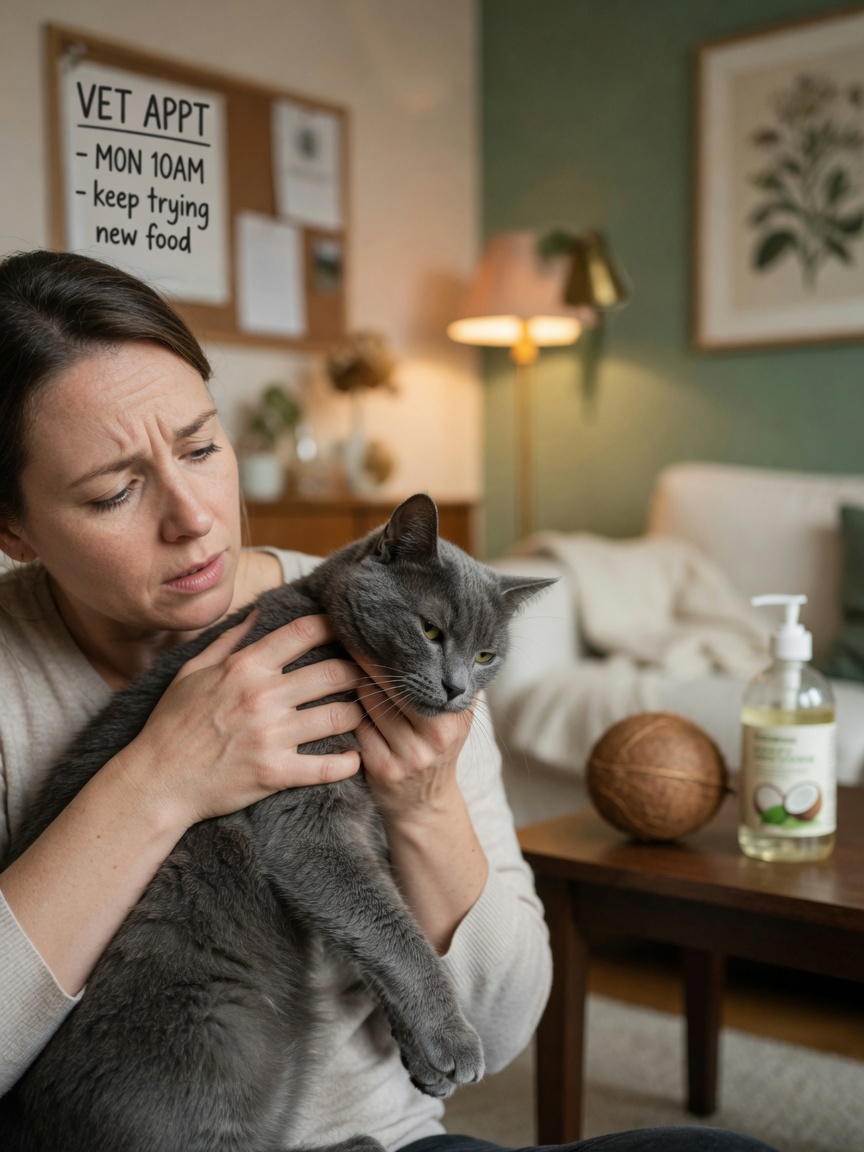
Even though coconut is non-toxic, it does present some risks for feline consumption:
- High fat content: Coconut is calorie-dense and rich in saturated fats, which can contribute to weight gain and digestive upset
- Digestive issues: Cats may experience diarrhoea, vomiting, or stomach discomfort from unfamiliar plant-based foods
- Allergic reactions: Though rare, some cats may develop sensitivities to coconut
- Nutritional imbalance: Replacing portion of regular food with coconut reduces essential nutrient intake
Coconut products sweetened with xylitol are particularly dangerous and should never be offered to cats, as xylitol is toxic to felines.
How to Safely Offer Coconut to Your Cat
If you'd like to introduce coconut as an occasional treat, follow these guidelines:
- Offer only plain, unsweetened coconut flesh in tiny pieces (approximately the size of a pea)
- Start with a very small amount to assess tolerance
- Limit coconut treats to no more than once weekly, and only if your cat shows interest
- Always supervise your cat whilst consuming coconut to prevent choking
- Use coconut oil sparingly on food rather than as a standalone treat
- Avoid all sweetened or processed coconut products
Signs of Adverse Reactions
Monitor your cat carefully after introducing any new food. Contact your veterinary surgeon if you notice vomiting, diarrhoea, lethargy, loss of appetite, or unusual behaviour. These symptoms may indicate your cat's digestive system hasn't tolerated the coconut well.
Key Takeaways
Cats can safely eat small amounts of plain, unsweetened coconut, but it offers little nutritional value and isn't necessary for their wellbeing. The primary focus should remain on providing a complete, balanced diet specifically formulated for feline nutrition. If you choose to offer coconut as an occasional treat, ensure it's given sparingly and in its most natural form. Always consult with your veterinary surgeon before introducing new foods, particularly if your cat has pre-existing health conditions or dietary sensitivities. Your cat's health and safety should always be the priority when making dietary choices.