
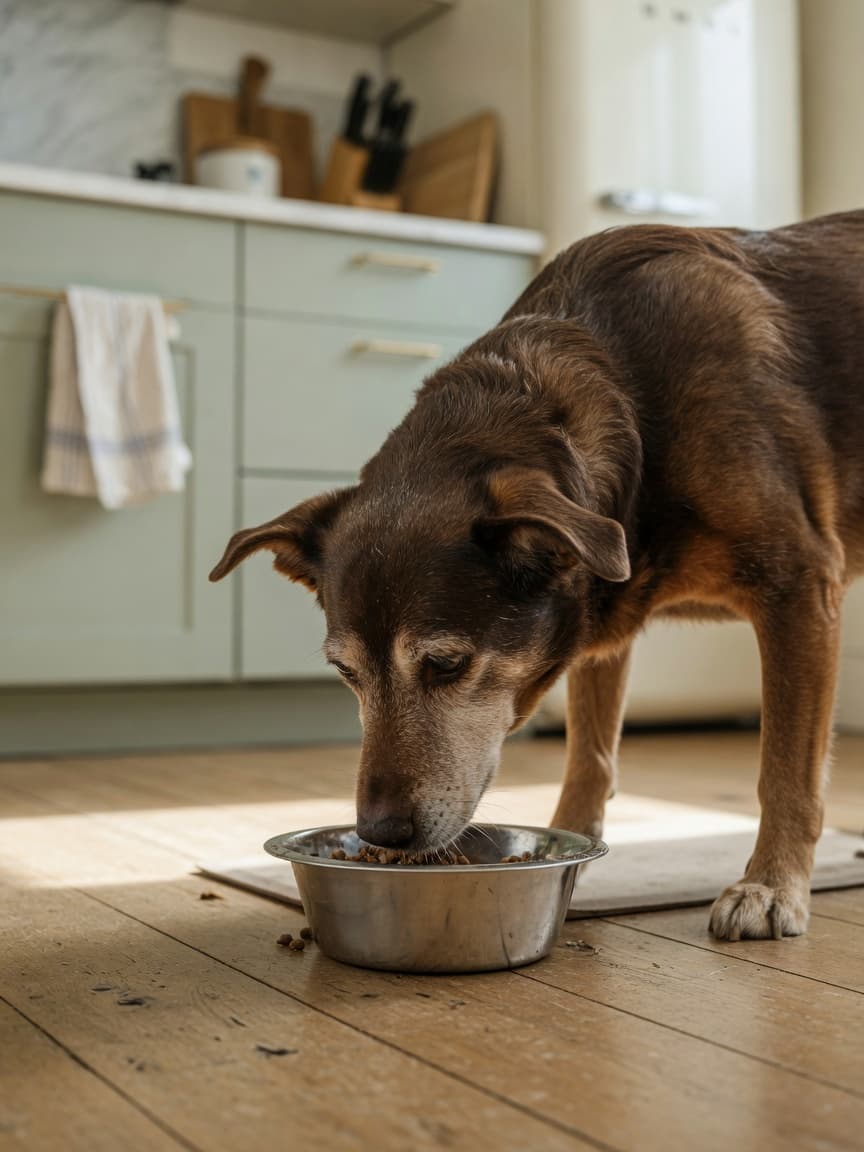
Arthritis Is More Common Than Most Owners Realise
Canine osteoarthritis affects an estimated 80 percent of dogs over the age of eight. It is not a minor inconvenience — it is a progressive, painful condition that degrades quality of life when left unmanaged. Yet it remains significantly underdiagnosed, largely because dogs hide pain with impressive consistency, and owners often attribute the signs of arthritis to normal ageing.
Understanding how arthritis develops, what it looks like in practice, and what can genuinely be done about it is one of the most valuable things a dog owner can learn.
What Happens Inside an Arthritic Joint
Osteoarthritis is a degenerative disease of the joints. Cartilage — the smooth, cushioning tissue that allows bones to move against each other without friction — gradually breaks down. As cartilage thins and erodes, bone surfaces come into closer contact, causing inflammation, pain, and the eventual development of bony growths called osteophytes. The joint capsule thickens, surrounding muscles atrophy from disuse, and the cycle of pain and stiffness becomes self-reinforcing.
Large and giant breeds are most commonly affected due to the mechanical load placed on their joints, but arthritis can develop in any dog of any size. Previous joint injuries, hip or elbow dysplasia, obesity, and genetic predisposition all increase risk.
Recognising Pain: What to Look For
Dogs rarely whimper or cry when experiencing chronic joint pain. Instead, their behaviour shifts in ways that are easy to misread. Recognising arthritis requires knowing what to watch for:
- Reluctance or slowness to rise from lying down, especially in the morning
- Stiffness that eases after a few minutes of movement
- Hesitation before climbing stairs, jumping into the car, or getting onto furniture
- Reduced willingness to walk or play, or lagging behind on walks they once enjoyed
- Licking, chewing, or biting at specific joints
- Visible swelling around a joint
- Changes in gait, including a shortened stride or favouring of one limb
- Irritability or uncharacteristic aggression when touched around certain areas
If you are observing any of these signs, a veterinary assessment is warranted. A diagnosis typically involves physical examination and X-rays to assess joint changes.
Veterinary Treatment Options
Management of canine arthritis is multimodal — the most effective outcomes result from combining several approaches rather than relying on a single intervention.
Non-Steroidal Anti-Inflammatory Drugs
NSAIDs such as meloxicam and carprofen are the veterinary standard for arthritis pain relief. They reduce inflammation and significantly improve comfort. They are not without risk — long-term use requires monitoring of kidney and liver function — but when used appropriately under veterinary guidance, they are safe and effective. Never give human NSAIDs such as ibuprofen or naproxen to dogs; these are toxic to canines even in small doses.
Newer Targeted Therapies
Monoclonal antibody treatments that specifically target pain signalling pathways involved in arthritis represent a significant advance in veterinary medicine. These monthly injectable treatments offer pain relief without the systemic effects of traditional NSAIDs and are increasingly available through veterinary practices.
Physiotherapy and Hydrotherapy
Veterinary physiotherapy uses massage, specific exercises, and manual techniques to maintain joint mobility and muscle mass. Hydrotherapy — exercise in a warm water treadmill or swimming pool — allows dogs to move and build strength without bearing full body weight. Both have strong evidence bases and can meaningfully slow the progression of muscle wasting associated with arthritis.
Nutritional Support
Glucosamine and chondroitin supplementation supports cartilage integrity and has mild anti-inflammatory properties. The evidence is more robust at higher doses than those found in most commercial pet foods; dedicated joint supplements typically provide therapeutic levels. Omega-3 fatty acids from fish oil — specifically EPA and DHA — have well-documented anti-inflammatory effects that complement pharmaceutical pain management. Green-lipped mussel extract is another supplement with meaningful clinical support for joint health.
Weight management is arguably the most impactful dietary intervention. Every kilogram of excess body weight places additional force on already-compromised joints. In overweight arthritic dogs, weight loss alone produces measurable improvements in mobility.
Home Adaptations That Make a Real Difference
The home environment can either aggravate or alleviate the daily experience of an arthritic dog. Practical modifications include:
- Orthopedic or memory foam beds that reduce pressure on joints and provide warmth, which helps with stiffness
- Non-slip mats or rugs on hard floors throughout the home — smooth flooring is dangerous for dogs with reduced joint stability
- Ramps or low-gradient steps for access to the car, sofa, or bed
- Raised food and water bowls to reduce the need to flex the neck downward during eating
- Moving the sleeping area to avoid stairs where possible
- Warm clothing during cold weather, particularly for short-coated breeds, as cold exacerbates joint inflammation
Exercise: Finding the Balance
Exercise is essential for arthritic dogs, not optional. Movement maintains muscle mass that supports and stabilises affected joints, and inactivity accelerates deterioration. The principle to follow is little and often: shorter, regular walks on flat ground rather than infrequent long outings. Allow your dog to set the pace. Avoid activities that involve sudden twisting, jumping, or rapid changes of direction.
Warm-up time matters. A gentle five-minute slow walk before any more sustained exercise helps the joint fluid warm and lubricates the joint surfaces, reducing pain during activity.
Long-Term Management
Arthritis is not curable, but it is highly manageable. Dogs on well-structured multimodal treatment plans can maintain excellent quality of life for many years. Regular veterinary reviews — every three to six months — allow the management plan to be adjusted as the disease progresses or the dog's response to treatment changes.
Monitoring at home is equally important. Keep a simple diary noting mobility on different days, weather-related changes, and response to exercise. This information helps your vet make more targeted adjustments to the treatment plan.