
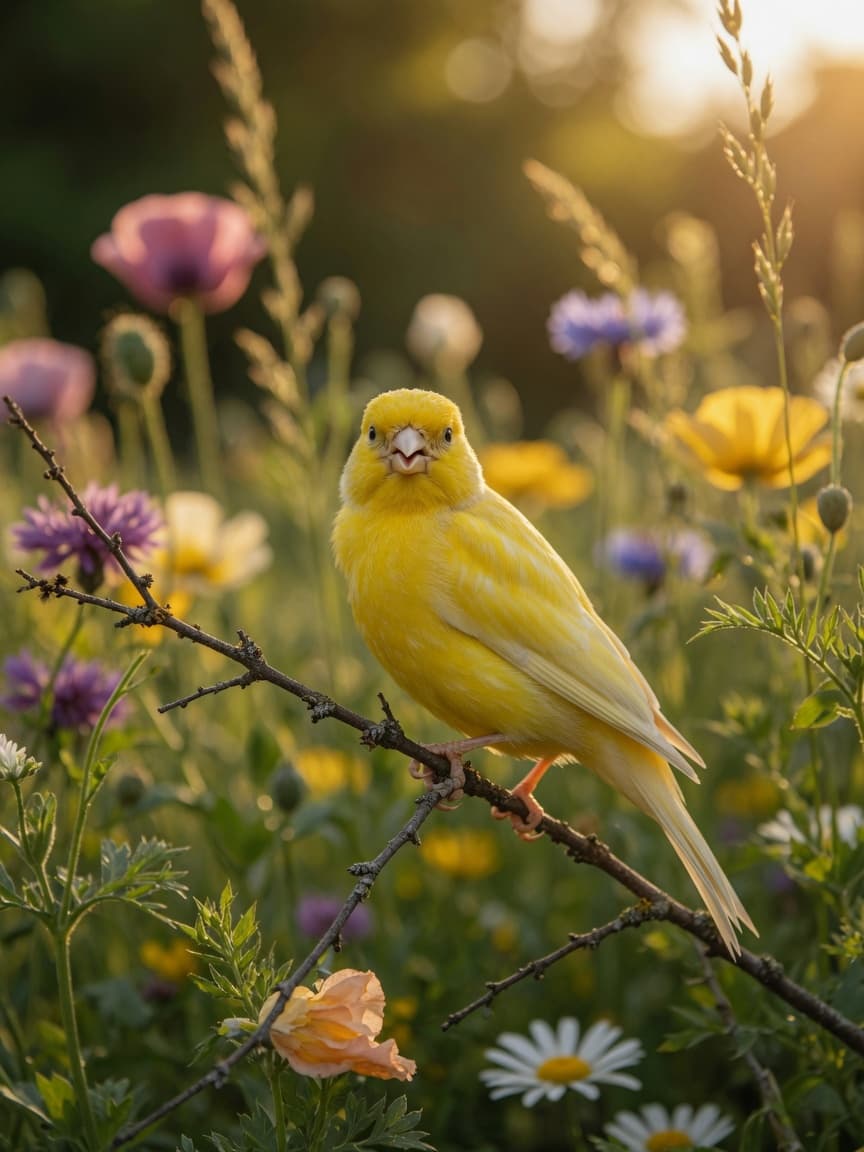
If you're a bird owner, you've likely wondered whether sharing your breakfast with your feathered friend is a good idea. The answer is a resounding yes—eggs are one of the most nutritious foods you can offer your pet bird. Whether you keep a budgie, parrot, canary, or finch, eggs provide exceptional nutritional benefits that support optimal health, vibrant plumage, and strong immune function. Let's explore why eggs deserve a regular place in your bird's diet and how to serve them safely.
Nutritional Benefits of Eggs for Birds
Eggs are nutritional powerhouses for pet birds, offering a complete protein profile with all nine essential amino acids. They're rich in:
- High-quality protein – essential for muscle development and feather growth
- Choline – supports brain health and cognitive function
- Selenium – a powerful antioxidant that strengthens immunity
- Lutein and zeaxanthin – promote eye health and vision
- B vitamins – particularly B12, crucial for energy metabolism
- Vitamin D – aids calcium absorption for strong bones
- Iron and phosphorus – support oxygen transport and skeletal health
These nutrients make eggs especially valuable during moulting season, when birds require extra protein to regenerate feathers, and during breeding season for breeding pairs.
Which Parts of the Egg Are Safe?
Both the yolk and white are safe for birds, though they offer different nutritional profiles. The yolk contains most of the fat-soluble vitamins and minerals, making it particularly beneficial. The white provides lean protein with minimal fat. Many bird nutritionists recommend offering the whole egg, as birds in the wild would consume the complete egg if they encountered one.
Avoid feeding raw eggs to immunocompromised birds or those with known salmonella sensitivity, though salmonella risk in properly handled eggs is minimal.
How to Prepare Eggs for Your Bird
Preparation is straightforward and requires no seasoning or additives:
- Hard-boil eggs – the safest method. Boil for 10-12 minutes, cool completely, and peel.
- Scramble without oil or salt – cook gently over low heat with water instead of butter or oil.
- Offer finely chopped pieces – especially for smaller bird species, to prevent choking hazards.
- Remove uneaten portions – discard any egg left in the cage after 2-3 hours to prevent bacterial growth.
Never offer eggs seasoned with salt, spices, butter, or oils, as these can harm your bird's digestive system.
Recommended Serving Frequency
For most pet birds, eggs should be offered as an occasional treat rather than a dietary staple. A practical guideline is:
- Small birds (budgies, canaries, finches) – 1-2 times weekly, 1-2 teaspoons per serving
- Medium birds (cockatiels) – 1-2 times weekly, 1-2 tablespoons per serving
- Large birds (macaws, African grey parrots) – 2-3 times weekly, 1-3 tablespoons per serving
- Breeding pairs – can increase frequency during breeding season under veterinary guidance
Balance egg servings with fresh fruits, vegetables, and high-quality pellets to ensure nutritional diversity.
Signs Your Bird Loves Eggs
Most birds enthusiastically accept eggs once they've tasted them. You may notice increased energy, shinier feathers, and improved feather quality within weeks of adding eggs to the diet. Some birds become so fond of eggs that they'll bob their heads excitedly at the sight of preparation.
Key Takeaways
Eggs are a nutritionally dense, safe, and highly beneficial food for pet birds when prepared correctly. Their complete amino acid profile, combined with essential vitamins and minerals, makes them ideal for supporting feather health, immunity, and overall wellbeing. Serve plain, cooked eggs 1-3 times weekly depending on your bird's species and size, always removing uneaten portions promptly. Consult your avian veterinarian if your bird has specific health conditions or dietary restrictions. With proper preparation and moderation, eggs can become a cherished part of your bird's balanced diet.