
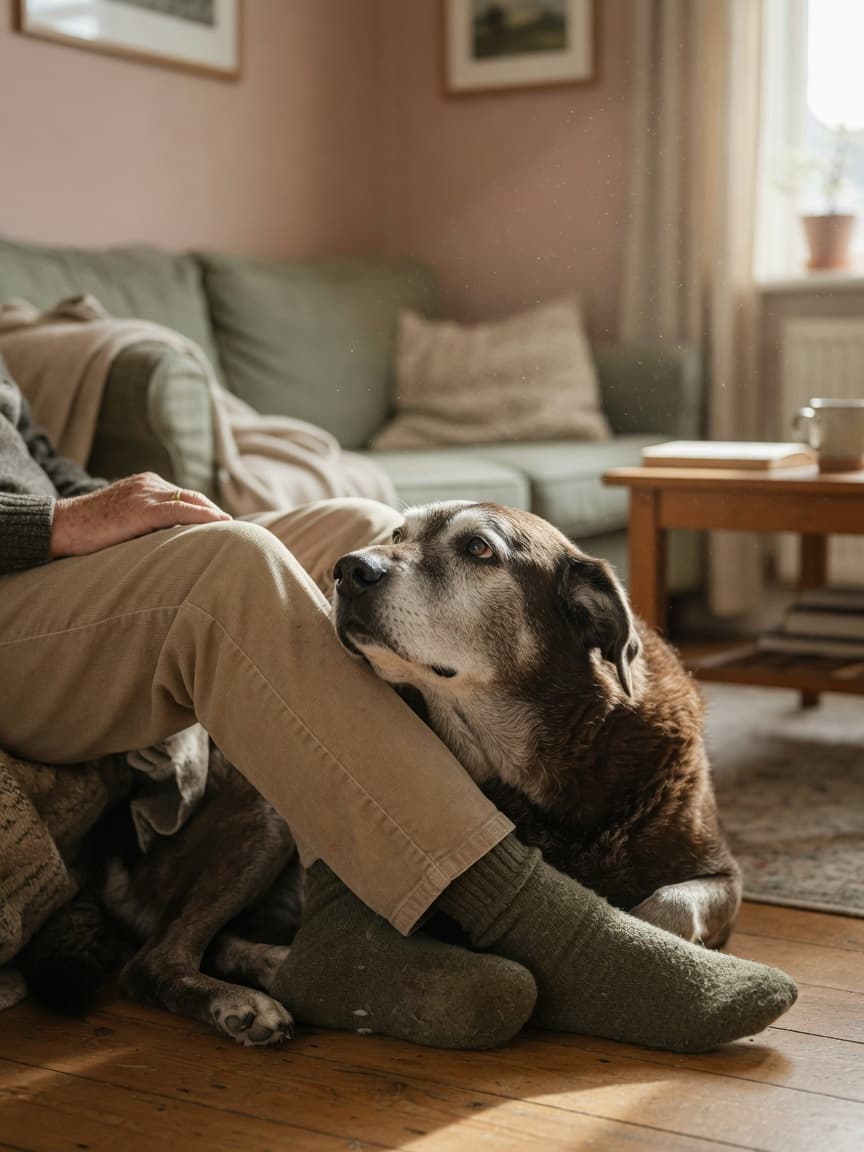
Why Senior Dogs Deserve a Second Look
Walk into almost any animal shelter in the UK or across Europe and you will notice a pattern: the puppies and young dogs attract crowds; the older dogs wait quietly in their kennels, often for months. It is one of the gentler injustices of rescue work — and one that you have the power to change.
Senior dogs are typically defined as those aged seven years and above, though this varies by breed. A large breed like a Great Dane may be considered senior at six; a small terrier might not reach that threshold until nine or ten. Whatever their age, older dogs bring qualities that puppies simply cannot offer — and for many people, especially those with busy lives, calmer households, or limited energy for intensive training, a senior dog is the ideal match.
The Real Benefits of Adopting an Older Dog
The advantages of adopting a senior dog are genuinely significant, and yet they are rarely celebrated as loudly as they deserve to be.
- What you see is what you get: An older dog's personality, size, and temperament are fully established. You can make an informed choice based on who they actually are, not who they might become.
- Usually house-trained: Most senior dogs in rescue have lived in homes before and already understand basic house rules. The weeks of accidents and middle-of-the-night toilet trips that come with a puppy are largely behind you.
- Calmer energy: Senior dogs are typically past their most boisterous phase. Many are content with moderate exercise, comfortable rests, and quiet company — a genuine pleasure to live alongside.
- Often already trained: Many older rescue dogs know basic commands and have lived successfully with previous families. Some simply need patience and time to trust again.
- Immediate gratitude: There is something deeply moving about the relationship that forms with a senior rescue dog. They seem, in their own way, to understand they have been given another chance — and many owners describe a bond of particular depth and mutual appreciation.
Where to Adopt a Senior Dog in the EU and UK
There are several excellent routes to adopting an older dog:
- General rescue organisations: Charities such as Dogs Trust (UK), SPA (France), Tierschutz (Germany), and WSPA-affiliated shelters across the EU regularly have senior dogs waiting for homes. Most have online databases where you can filter by age.
- Breed-specific rescues: Almost every breed has a dedicated rescue network in the UK and many EU countries. These organisations know the breed inside out and can match older dogs to appropriate homes with particular care.
- Vet-referred rehoming: Occasionally, vets know of older dogs whose owners can no longer care for them. It is worth asking your local practice whether they are aware of any dogs needing homes.
- Cross-border rescue: Many dogs from southern Europe — particularly Spain, Portugal, Romania, and Greece — are rehomed to northern EU countries and the UK through established rescue networks. These dogs often come vaccinated, microchipped, and with EU health documentation in order.
What to Expect Health-Wise
Adopting a senior dog means accepting that veterinary care may be more involved than with a younger animal. This is worth considering honestly — not to discourage you, but to help you prepare with open eyes.
Common Conditions in Older Dogs
- Arthritis: One of the most prevalent conditions in older dogs, causing stiffness, reluctance to exercise, and difficulty rising. Highly manageable with medication, joint supplements, and home adaptations.
- Dental disease: The majority of dogs over seven have some degree of dental disease. A dental check — and potentially a dental cleaning under anaesthetic — may be needed shortly after adoption.
- Heart disease: Valvular heart disease is common in older small breeds; dilated cardiomyopathy affects larger breeds. Regular cardiac monitoring allows for early intervention.
- Kidney disease: Chronic kidney disease is manageable with dietary support and appropriate veterinary care when caught early.
- Cognitive dysfunction: Similar to dementia in humans, canine cognitive dysfunction can cause confusion, changed sleep patterns, and altered behaviour. Medication and environmental support can help significantly.
Veterinary Check-Ups
When you adopt a senior dog, arrange a thorough health check with your vet as soon as possible. This should include blood and urine screening to establish a baseline for their kidney and liver function, thyroid levels, and blood cell counts. Going forward, six-monthly vet visits are generally recommended for dogs over eight, as health can change more rapidly than in younger animals.
Adapting Your Home for a Senior Dog
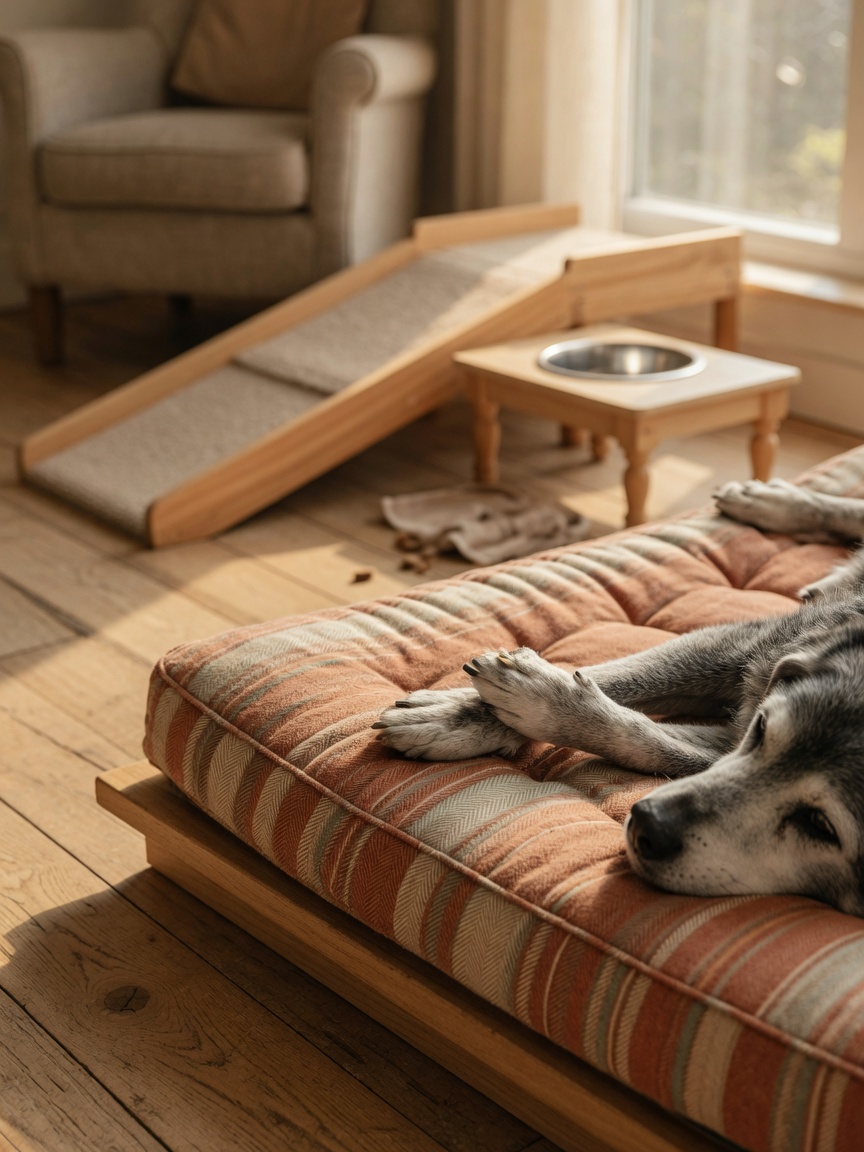
A few thoughtful adjustments can make your home a much more comfortable environment for an older dog:
- Provide an orthopaedic or memory foam bed in a warm, draught-free location — getting up from the floor can be painful for arthritic joints
- Place non-slip mats or rugs on hard floors, which can be treacherous for older dogs with weaker hind limbs
- Consider a ramp or shallow steps for dogs who find jumping onto the sofa or into the car difficult
- Keep food and water bowls at a comfortable height — raised bowls can ease neck and back discomfort in larger breeds
- Ensure your garden is securely fenced; some older dogs, particularly those with cognitive changes, can become disoriented
Nutrition for Senior Dogs
Older dogs have different nutritional needs from their younger counterparts. Most benefit from a diet specifically formulated for senior dogs, which typically features adjusted protein levels, added joint support, and reduced calorie density to prevent weight gain in less active dogs. Your vet can advise on the best diet for your dog's specific health profile — this is especially important if they have kidney disease, heart disease, or diabetes, which require tailored nutritional management.
Exercise: Enough, But Not Too Much
Senior dogs still need regular exercise — it maintains muscle mass, supports joint health, and provides vital mental stimulation. However, the type and amount of exercise should reflect their individual capacity. Shorter, more frequent walks are generally better than one long outing. Swimming is an excellent low-impact option for arthritic dogs. Watch for signs of fatigue or stiffness after exercise and adjust accordingly. Your dog will tell you what they need — learn to listen to their pace.
Dispelling the Myths
It is worth addressing a few persistent misconceptions about senior dogs. They are not set in their ways — older dogs absolutely can learn new things, form new bonds, and adapt to new homes, often with beautiful resilience. They are not always unhealthy — many senior dogs are in excellent health and have years of happy life ahead. And they are not a lesser choice — for many people, they are the very best choice.
The gift of giving an older dog a loving home in their final chapter is one that enriches both lives immeasurably. If you have the space, the patience, and the heart — a senior dog may be waiting for you right now.