
Understanding Osteoarthritis in Senior Dogs
Osteoarthritis (OA), also known simply as arthritis, is the most common chronic pain condition in dogs. Characterised by the progressive degradation of articular cartilage, synovial inflammation, and structural changes to the joint, OA is estimated to affect around 20% of adult dogs and up to 80% of dogs over the age of eight. Despite its prevalence, it remains significantly underdiagnosed — owners frequently interpret reduced mobility, reluctance to climb stairs, or changes in gait as "just getting old" rather than as signs of chronic pain warranting treatment.
The WSAVA pain management guidelines make clear that untreated chronic pain has serious welfare consequences, impacting appetite, sleep, immune function, and mental wellbeing. Recognising and addressing arthritic pain is therefore not only a kindness but a clinical and ethical obligation.
Assessing Pain: ESAS and the Colorado Pain Scale
Accurate pain assessment is the foundation of effective arthritis management. Two validated tools are widely used in veterinary practice.
The Edinburgh Scale of Animal Suffering (ESAS) provides a structured framework for evaluating the nature, severity and impact of pain and suffering across multiple domains, including behavioural changes, physiological responses and the capacity to express normal behaviours. It is particularly useful for understanding how chronic OA pain affects a dog's overall wellbeing rather than focusing solely on observable lameness.
The Colorado State University Canine Acute Pain Scale (Colorado Pain Scale) uses observable behaviours — vocalisation, posture, response to palpation, facial expression and mobility — to assign a numerical pain score from 0 to 4. Scores of 2 or above indicate pain requiring intervention. Owners can be trained to use simplified versions of this scale at home, enabling ongoing monitoring between veterinary appointments.
Your vet may also recommend force plate gait analysis or kinetic measurement tools, particularly if surgical intervention is being considered, as these provide objective data on weight-bearing and limb function.
Licensed Pain Medications
Meloxicam (Metacam)
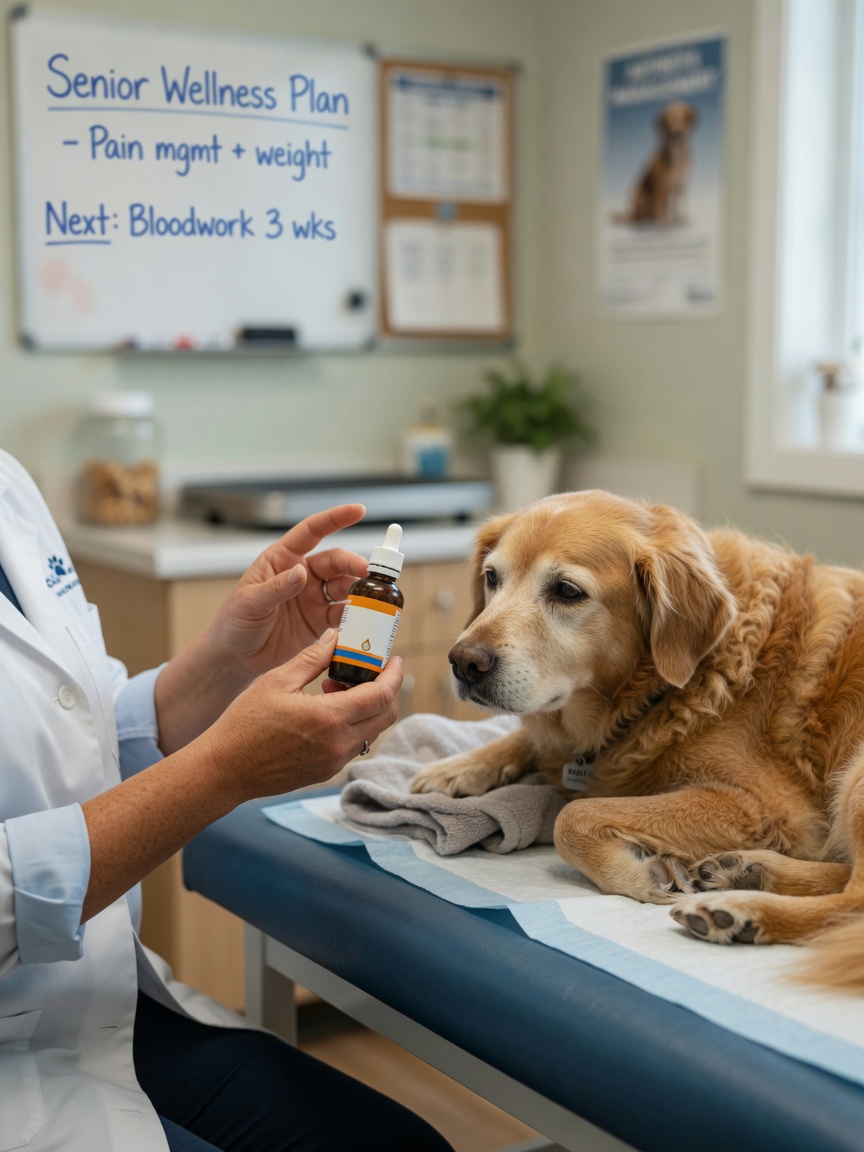
Meloxicam, marketed as Metacam and other brands, is the most commonly prescribed non-steroidal anti-inflammatory drug (NSAID) for dogs with osteoarthritis in the European Union. It is licensed for both acute and chronic pain management in dogs and is available in oral liquid and injectable formulations. Meloxicam works by selectively inhibiting COX-2 enzymes, reducing prostaglandin-mediated inflammation and pain with a relatively favourable gastrointestinal and renal safety profile compared with non-selective NSAIDs. Dogs on long-term meloxicam therapy should have renal function, liver function and blood pressure monitored at least every six months, as recommended by the WSAVA pain guidelines.
Carprofen
Carprofen is another widely used NSAID licensed for canine use in Europe. It is available in chewable tablet form, which many dogs accept readily, making it convenient for owners. Like all NSAIDs, it should always be used at the lowest effective dose and never combined with corticosteroids or other NSAIDs without veterinary supervision.
Gabapentin
Gabapentin is increasingly used as an adjunct analgesic in dogs with chronic OA pain, particularly where there is a neuropathic component or where NSAIDs alone provide insufficient relief. It modulates voltage-gated calcium channels, reducing the transmission of pain signals in the central nervous system. Sedation is the most common side effect and typically diminishes with time. Gabapentin is used off-licence in dogs but is well supported in the veterinary literature for multimodal pain management.
Joint Supplements
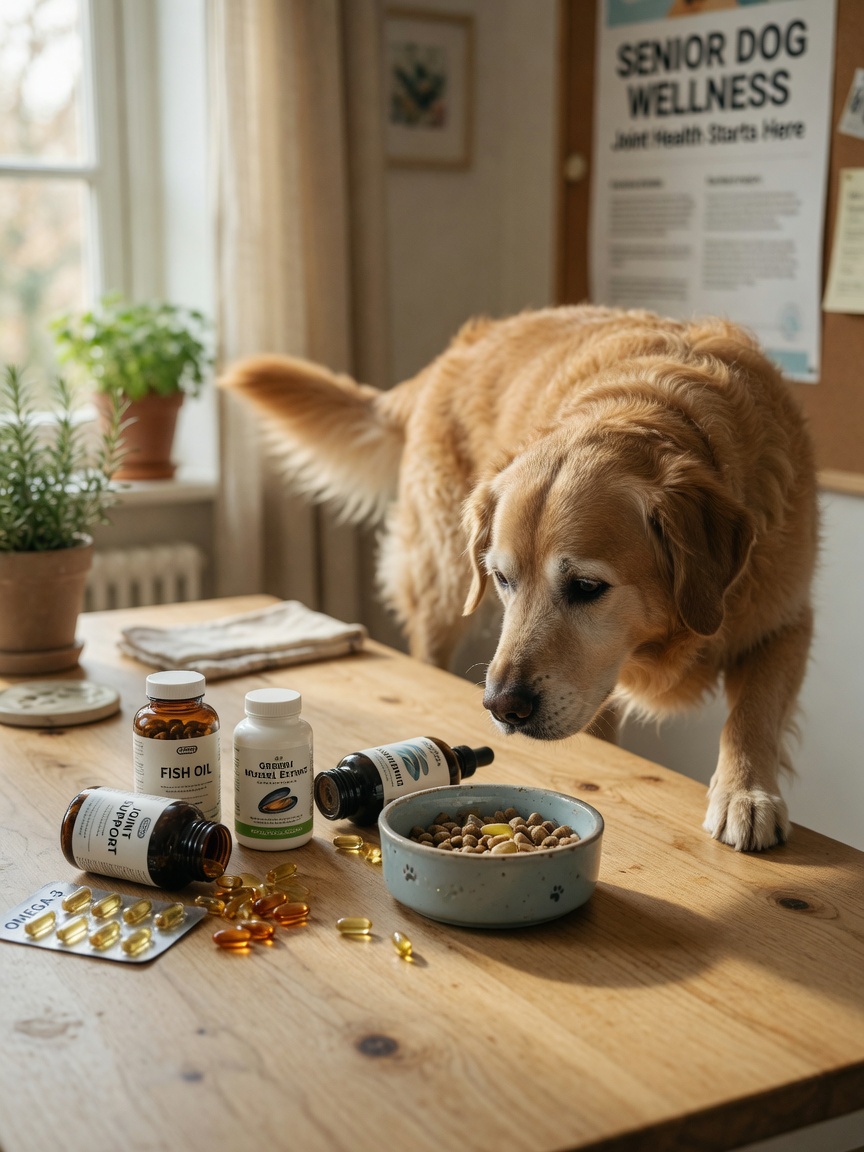
- Omega-3 fatty acids (EPA and DHA): Marine-source omega-3s have good evidence for reducing joint inflammation, improving weight-bearing and decreasing NSAID requirements in dogs with OA. Fish oil supplements providing at least 50–75 mg EPA+DHA per kg of body weight per day are generally recommended.
- Green-lipped mussel (Perna canaliculus): Green-lipped mussel extract is a natural source of omega-3 fatty acids, glycosaminoglycans and antioxidants. Several randomised controlled trials in dogs have shown significant improvements in pain scores and mobility over 8–12 weeks of supplementation.
- Yucca schidigera: Yucca extract contains steroidal saponins with anti-inflammatory properties and is often included in veterinary joint supplements. While the evidence base is less robust than for omega-3s, it is generally considered safe and may contribute to a useful multimodal approach.
- Glucosamine and chondroitin sulphate: Long used in both human and veterinary medicine, these remain popular despite mixed evidence from controlled trials. They are unlikely to cause harm and may offer modest benefits in some individuals.
Physiotherapy, Hydrotherapy and Acupuncture
Physical rehabilitation is a crucial and often underutilised component of OA management. A qualified veterinary physiotherapist can design a tailored exercise programme, provide manual therapy, and use modalities such as therapeutic ultrasound, transcutaneous electrical nerve stimulation (TENS) and laser therapy to reduce pain and improve joint mobility.
Hydrotherapy — whether in an underwater treadmill or a swimming pool — allows dogs to exercise with reduced weight-bearing stress on painful joints. The warm water also promotes muscle relaxation and circulation. Many dogs who refuse to walk on land will exercise readily in water, making hydrotherapy particularly valuable in severe or acute flare-ups.
Veterinary acupuncture has a growing evidence base for chronic musculoskeletal pain. It stimulates endorphin release and modulates pain pathways and can be used alongside conventional medication rather than instead of it.
Orthopaedic Beds and Home Adaptations
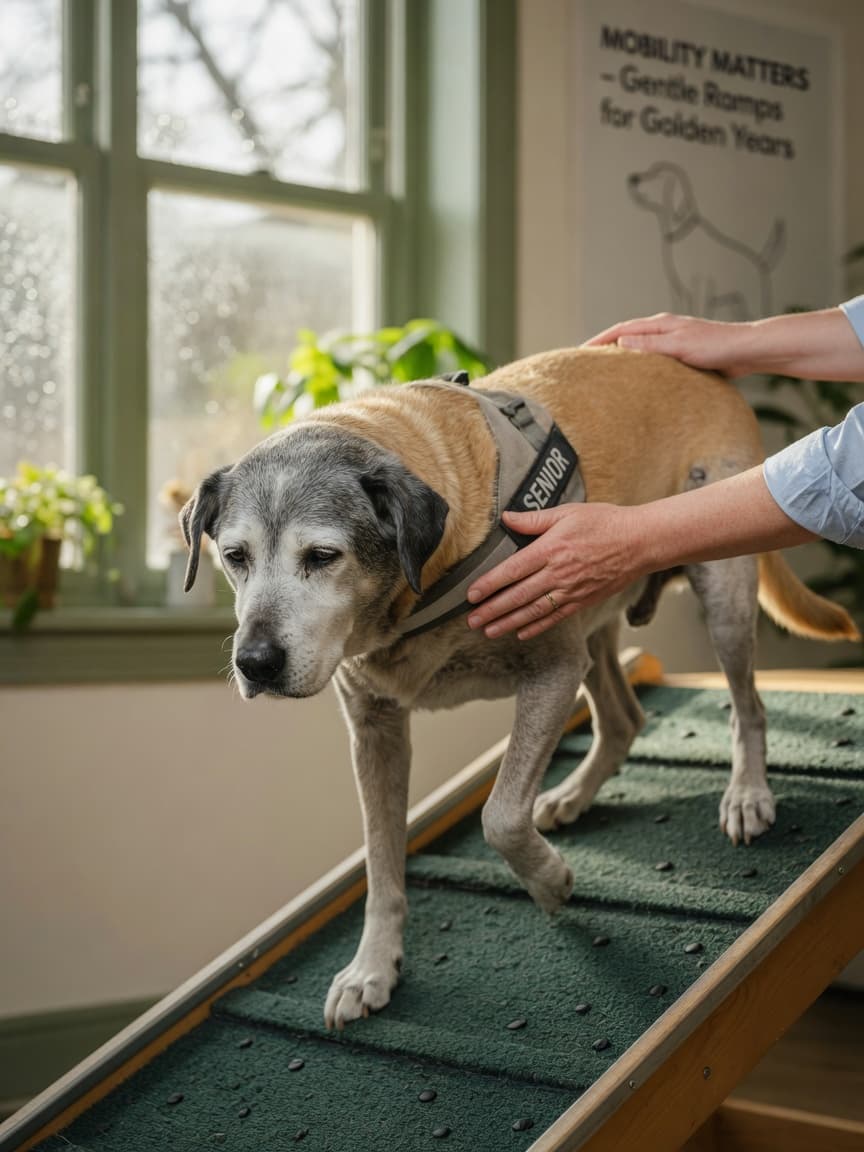
Environmental adjustments can make a significant difference to a dog's comfort and independence at home. A supportive orthopaedic memory foam bed reduces pressure on sore joints during sleep. Raised food and water bowls ease the effort of bending for dogs with neck or shoulder involvement. Non-slip matting on smooth floors prevents painful stumbles. Ramps or steps can help dogs access furniture or vehicles without jumping.
Weight Management and Mobility Diets
Excess body weight dramatically worsens OA by increasing mechanical load on affected joints and promoting systemic inflammation through adipokine release. Even a 6–8% reduction in body weight has been shown to produce measurable improvements in lameness scores. A prescription weight loss plan under veterinary supervision is strongly recommended for overweight arthritic dogs.
Once target weight is reached, or for dogs already at a healthy weight, a joint-supportive diet can be a valuable part of the management plan. Hills Prescription Diet j/d is clinically proven to improve mobility in dogs within 28 days, thanks to its high levels of EPA from fish oil. Royal Canin Mobility is another widely used option, enriched with green-lipped mussel, glucosamine and chondroitin. Both are available through Zooplus, which offers subscription delivery and competitive pricing, making long-term dietary management more convenient and affordable for owners.
Working With Your Vet
Arthritis management in senior dogs is most effective when approached as a long-term partnership between owner and vet. Regular reassessment — at least every three to six months — allows the treatment plan to be adapted as the disease progresses. Do not stop or change medications without consulting your vet, and always report any changes in your dog's behaviour, appetite or mobility promptly. With a well-structured multimodal approach, most dogs with OA can maintain a comfortable and active life well into old age.